
Pruning
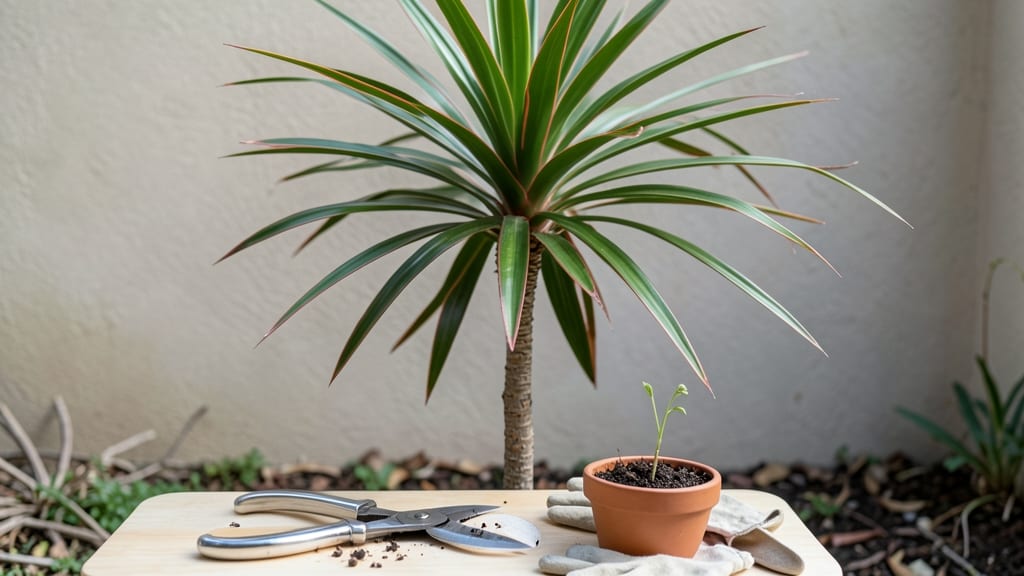
Dracaena spike plant pruning with just three simple cuts can transform a leggy, sad Dracaena into a bushier, vibrant showstopper. ✂️ I’ve revived multiple plants with this method—even ones that looked beyond saving—by focusing on the right cuts and timing. The key isn’t just snipping leaves; it’s understanding where to cut to encourage new growth without stressing the plant.
You’ll need just three tools: clean pruning shears, rubbing alcohol (to sterilize), and a small pot of water (for propagating cuttings). The best time to prune is in spring or early summer, when the plant is actively growing.
Avoid heavy pruning in fall or winter, as the plant needs energy to survive dormant months. Start by removing any yellow or brown leaves—these are dead weight and can harbor pests.
With each cut, you’ll trigger a cascade of new growth. Focus on trimming back leggy stems by one-third at the node (where leaves meet the stem), and you’ll see fresh shoots emerge within 4-6 weeks.
The plant won’t just look better—it’ll thrive, with denser foliage and a stronger structure. Plus, those cuttings you save in water can root and become new plants.
Common mistakes? Over-pruning (never take more than a third of the plant at once) or cutting too close to the base (always leave a small stub). If you’re unsure, start small—even a single strategic cut can make a difference.
By the time you’re done, your Dracaena will be the healthiest it’s ever been, and you’ll have a backup plant or two to share.
📚 In This Guide
- What you need
- Instructions
- Tips and common mistakes
- Wrapping up and next steps
What you need
- ● Sharp pruning shears – Bypass pruners (1 pair) with a 4-6 inch blade for clean cuts.
- ● Clean, disinfected scissors – Alcohol-wiped (1 pair) for trimming smaller stems or leaves.
- ● Rubbing alcohol (70% or higher) – 2-3 wipes to sterilize tools between cuts.
- ○ Gloves (optional but recommended) – Nitrile or latex-free (1 pair) to protect from sap irritation.
- ● Newspaper or drop cloth – 1-2 sheets to catch debris and protect surfaces.
- ● Small container or bucket – 1 quart-sized for collecting cuttings (if propagating).
- ○ Rooting hormone (optional but helpful) – Powder or gel (1 small bottle) for propagating cuttings.
- ● Ensure your plant is healthy—avoid pruning if it’s stressed, wilted, or pest-infested.
- ● Water the plant 24 hours before pruning to reduce stress.
- ● Choose a bright, indirect-light location for post-pruning recovery.
Step-by-Step instructions for Dracaena Spike plant pruning
Here’s how to revive your Dracaena with just three straightforward cuts—no special tools needed.
✂️ Step 1: Identify and Prepare for Pruning
Start by examining your Dracaena for brown, crispy, or yellow tips—these are the parts you’ll remove. I always prune in the morning when the plant is fully hydrated, which makes the cuts cleaner and reduces stress. Use clean, sharp scissors or pruning shears to avoid crushing stems.
Wear gloves if you’re squeamish about sap—Dracaena leaves can be a little sticky. The key is to cut just above a leaf node (the small bump where leaves grow) or at a natural joint. This ensures new growth can sprout from the healthy part of the stem.
✂️ Step 2: Trim Dead or Damaged Spikes
Make your first cut about ½ inch above a leaf node or where the spike turns brown and brittle. Angle the cut slightly downward to prevent water from pooling on the stem, which could cause rot. You’ll see a clean, crisp edge—this is your signal you’ve done it right.
If the entire spike is dead (no green leaves at all), cut it back to a healthy node. Don’t worry about the length of the remaining stem—Dracaenas are forgiving. Just avoid cutting into green, healthy growth unless you’re intentionally propagating.
✂️ Step 3: Encourage New Growth with Strategic Cuts
For a fuller plant, trim back the longest spikes by about ⅓ of their length. Focus on the topmost leaves first—they compete for energy with the rest of the plant. You’ll notice the plant looks a little sparse right after, but that’s temporary.
After pruning, give your Dracaena a drink of water to help it recover. Place it in bright, indirect light (like an east or west-facing window) for a few weeks. You’ll see new shoots emerging from the nodes within 4-8 weeks, depending on light and temperature.
💧 Step 4: Post-Pruning Care for Revival
Water your Dracaena lightly for the first week after pruning—just enough to keep the soil slightly moist. Overwatering now can drown the fresh cuts. Use room-temperature water to avoid shocking the roots, and let the top inch of soil dry out between waterings.
If your Dracaena was struggling from underwatering, you might see a slow but steady recovery. For severely neglected plants, trim back only the most damaged areas first and monitor closely. New growth is your reward—watch for tiny green buds forming at the nodes.
Tips & tricks for perfect Dracaena pruning
Here's what nobody tells you—these little details make all the difference when bringing your Dracaena back to life.
Timing Tip: Morning is the absolute best time to prune because your plant's cells are fully hydrated from overnight water absorption. This makes the cuts cleaner and reduces stress on the plant. If you must prune later in the day, wait until at least 2 hours after watering to ensure the stems aren't overly saturated.
Cutting Precision: That ½-inch measurement in Step 2 is crucial—any less risks leaving damaged tissue that can rot, while any more removes too much healthy growth. Use a ruler or measuring tape to verify your cuts. For thicker stems, you might need to make two small cuts to achieve that perfect downward angle without crushing the stem.
Recovery Strategy: After pruning, move your Dracaena to its brightest location for the first 48 hours. This gives the plant energy to focus on healing rather than searching for light. Watch for tiny green buds at the nodes—these are your first sign of successful revival, typically appearing within 2-4 weeks in ideal conditions.
Pro Tips for Dracaena Spike Plant Pruning
- Here's what nobody tells you—these little details make all the difference when bringing your Dracaena back to life.
- Timing Tip: Morning is the absolute best time to prune because your plant's cells are fully hydrated from overnight w...
- Cutting Precision: That ½-inch measurement in Step 2 is crucial—any less risks leaving damaged tissue that can rot, w...
Frequently asked questions
Got questions about pruning your Dracaena Spike plant? You’re not alone! Here are some of the most common concerns—and their simple solutions—to keep your plant thriving after a trim.
When is the best time to prune my Dracaena Spike?
Prune your Dracaena Spike anytime it’s looking leggy or overgrown—but spring or early summer is ideal. This gives your plant time to recover and grow new leaves before winter dormancy. Avoid heavy pruning in fall or winter, as growth slows down.
How do I know if I’m pruning too much or too little?
Stick to the 1/3 rule: Never remove more than one-third of the plant’s foliage at once. If you see yellow leaves or bare stems after pruning, you’ve likely cut too much. For minimal pruning, just trim dead or brown tips to encourage fresh growth.
Can I propagate my Dracaena Spike from cuttings?
After pruning, root the cuttings in water or moist potting mix. Use stems with at least one healthy leaf node (where leaves meet the stem). Place in bright, indirect light and change the water every 5–7 days. Roots should appear in 4–6 weeks!
Why are my Dracaena Spike leaves turning brown after pruning?
Brown leaves post-pruning usually mean stress from over-trimming or underwatering. If the browning is only at the tips, it’s likely natural shedding. For widespread browning, reduce light slightly, check soil moisture, and avoid fertilizing for 4–6 weeks to help recovery.
Do I need special tools to prune my Dracaena Spike?
Not necessarily! While sterilized pruning shears or sharp scissors make clean cuts, you can also use a clean knife in a pinch. Just wipe the blade with rubbing alcohol before and after to prevent disease. Avoid tearing leaves—always cut at a 45-degree angle just above a leaf node.
Wrapping up and next steps
Pruning your Dracaena Spike doesn’t have to be intimidating—just three simple cuts can breathe new life into your plant! 🌿 By removing dead leaves, encouraging bushier growth, and maintaining its shape, you’ll keep your Dracaena thriving for years.
Now that you’re armed with the know-how, grab those shears and give your plant the care it deserves.
Ready to see the results? Start pruning today and watch your Dracaena Spike flourish—your green-thumb journey is just one trim away! 🌱