

Why this site exists
You’re holding a pruning shears and a plant that’s already lost half its shape—either because you’ve waited too long, or because the instructions you found online were written for a greenhouse, not your balcony.
The leaves are still there, but they’re crowded, the branches are tangled, and you’re not sure if you’re helping or hurting.
This site cuts through the guesswork. Every technique here is tested in real conditions—on overgrown shrubs, stubborn vines, and the plants that refuse to behave. No vague advice about ‘early spring’ or ‘late summer.’ Just what works, when, and why.
Who writes this site

Hakeem Kowalczyk is the founder and editor, and he’s the one who’s snapped off too many branches in one go, only to realize the plant was already dead underneath.
Do you test everything yourself?
Yes, but not always alone. Some techniques come from gardeners who’ve been doing it longer—or who’ve made the same mistakes I have. And if a method doesn’t work the second time, it doesn’t stay on the site.
What’s the one pruning mistake you still make?
Cutting too close to the trunk on woody plants. I always think I’m being precise, then realize I’ve just given the plant a fresh wound it doesn’t need. The shears are sharp, but my patience isn’t always.
Why isn’t that specific plant/technique covered here?
Either I haven’t grown it yet, or it’s something I’ve tried and failed at enough times to know it’s not worth repeating. If you’re missing a guide, it’s probably because the plant in question is still sulking in a corner of my garden.
The only tool Hakeem uses more than pruners is a notebook—jotted with half-finished sketches of how a plant *should* look, compared to how it actually does. The margins are full of question marks.
How a pruning guide is built
It starts with a plant that’s already gone wrong—either because it’s overgrown, because it’s never grown right, or because someone else’s advice made it worse. The first step isn’t reading a book; it’s watching how it behaves in its own space.
The cut
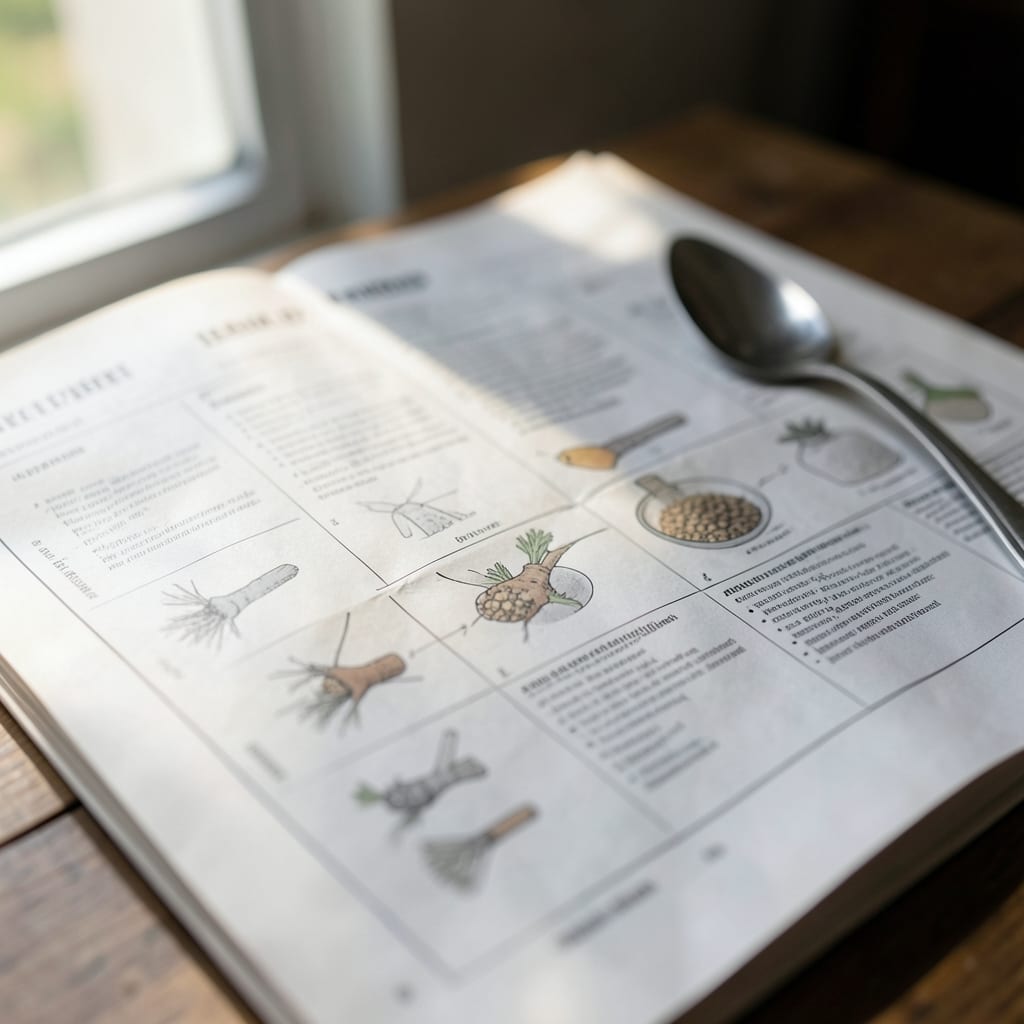
Every guide begins with the actual cut: where the shears go, how much to remove, and what happens when you do it wrong. No ‘rule of thumb’—just measurements. A 90-degree angle here, a third of the branch there. If it doesn’t hold up after a week, the guide gets rewritten.
The wait
Pruning isn’t just about the cut. It’s about the season that follows—how the plant reacts, what grows back, and whether the new growth is stronger or just more of the same problem. Some guides take months to finish.
What we will not do
This site won’t tell you to prune in the dead of winter unless you’re in a climate where it actually works. It won’t promise that every cut will produce flowers or fruit. And it won’t pretend that some plants can be fixed with a single pass of the shears.
Things you will never find here
- ‘Best time to prune’ without specifying your hardiness zone.
- Guides for plants that haven’t been grown here—or that keep dying here.
- Photos of pruned plants that look perfect unless you know what they looked like before.
- Advice that assumes you have a crew, a tractor, or unlimited time.
Where to start
If you’re new, begin with the ‘Common Mistakes’ section—it’s where the most stubborn problems get explained. If you’re fixing a specific plant, search by its name.
And if you can’t find what you need, the ‘Ask a Question’ form on the contact page is the fastest way to get an answer.
Say hello
The best emails are the ones with photos of plants that *didn’t* work out—and why. Or the ones asking, ‘How do I prune this without killing it?’ (Spoiler: sometimes you do.) Send them to the contact page, and if the plant survives, there’s a chance it’ll end up here.
The guides are grouped by category: Advice, Aphids, Blooming, Companion Plants, Container Gardens and Diseases.