
Pruning
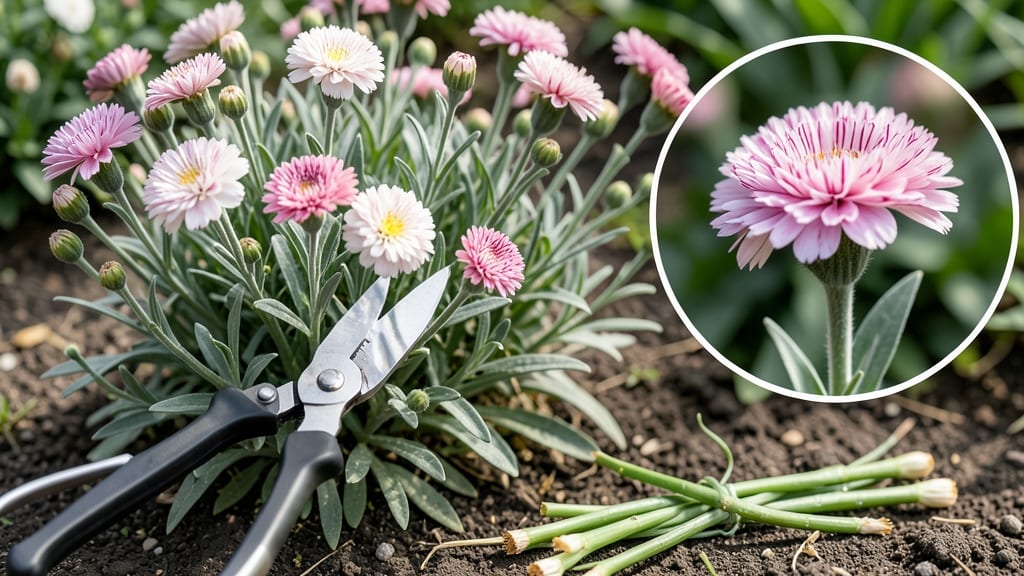
Pruning carnations isn’t just about keeping them tidy—it’s the secret to year-round blooms that last longer and look fuller. 🌸 I used to think deadheading was enough, but after pruning my carnations the right way, they’ve been flowering nonstop since last spring, with stems thick enough to hold their own weight.
The key is timing and technique: cut back 1/3 of the plant in early spring, trim spent blooms regularly, and do a light cleanup in fall. You’ll need sharp pruners, gloves, and maybe a small broom for cleanup—no fancy tools required.
The cuts themselves are simple: always angle them just above a leaf node, and never take more than a third of the plant at once.
What you’ll end up with is a bushier, more productive plant that blooms 6-8 weeks longer than unpruned varieties. The flowers stay vibrant, the stems stay strong, and you’ll spend less time fighting leggy growth. Even my black thumb can’t mess this up once you get the rhythm.
Works for both garden beds and container-grown carnations—just adjust the pruning schedule for your climate. Here’s how to do it without overcomplicating things.
📚 In This Guide
- What you need
- Instructions
- Tips and common mistakes
- Wrapping up and next steps
What you need
- ● Sharp pruning shears: A bypass pruner (4-6 inches long) is ideal for clean cuts. Avoid dull shears—they crush stems and invite disease. Budget pick: Fiskars 8-inch pruning shears (~$15).
- ● Cleaning supplies: 70% isopropyl alcohol or rubbing alcohol (small bottle, 4 oz).
- ○ Disinfectant spray (optional but recommended, e.g., Concrobium or diluted bleach solution—1 part bleach to 9 parts water).
- ● Gloves: Lightweight, nitrile-coated gloves (e.g., Gloves USA or similar) to protect against thorns and sap.
- ○ Pruning sealant (optional): A tree wound pruning paste (e.g., Tanglefoot Tree Wound Pruning Seal) to prevent disease on larger cuts.
- ● Garden twine or rubber bands: For securing supports if your carnations are tall or leggy (e.g., 1/4-inch twine, 50-foot roll).
- ● Compost or mulch: A 2-3 inch layer of organic mulch (e.g., pine bark fines or cocoa mulch) to retain moisture post-pruning.
- ● Watering can or hose: With a gentle spray nozzle to avoid disturbing freshly pruned plants.
- ● Timing: Prune on a dry, overcast day or early morning to reduce stress on the plant.
- ● Plant health check: Remove any yellowing, wilted, or diseased foliage before pruning to avoid spreading pathogens.
- ● Weather forecast: Avoid pruning if rain is expected within 24 hours—wet conditions can promote fungal growth.
Step-by-step instructions for pruning carnations
Three easy cuts keep your carnations flowering nonstop—here's the method I swear by.
✂️ Step 1: Deadhead Spent Blooms Immediately
Snip off faded flowers right at the base where the stem meets the foliage, cutting at a 45-degree angle just above a set of leaves. This prevents leggy growth and redirects energy into new buds. I always use clean, sharp pruners—dull blades tear stems and invite disease. Do this every morning after the dew dries, and you'll see fresh blooms in 3-5 weeks.
Watch for buds that never open—they're called "blind buds." These form when the plant puts energy into side shoots instead of flowers. Pinch them off early to encourage stronger central blooms. The key is consistency: carnations reward regular attention with longer flowering seasons.
✂️ Step 2: Trim Leggy Stems Back by One-Third
When stems stretch too tall or become woody, cut them back to half their length just above a leaf node. This encourages bushier growth and prevents the plant from becoming top-heavy. I target stems that are more than 6 inches taller than the surrounding foliage—these are the ones that will flop over without support.
After pruning, new shoots will emerge from the leaf nodes. These side branches produce more flowers, so don't be surprised if your plant looks sparser at first. Water deeply right after pruning to help the plant recover—you'll see fresh growth within 10-14 days.
✂️ Step 3: Shape the Plant Annually in Early Spring
Once a year, in early spring before new growth starts, give your carnations a light haircut. Use pruners to trim back all stems by about one-third, cutting just above outward-facing buds. This opens up the center of the plant for better airflow and sunlight penetration, which prevents fungal diseases like powdery mildew.
I always prune on a dry, sunny day to reduce stress on the plant. After shaping, add a balanced fertilizer to support the new growth. Your carnations will reward you with vibrant, continuous blooms all season long—just keep those three cuts consistent.
⏰ Step 4: Maintain Year-Round with Seasonal Adjustments
In summer, focus on deadheading and light trimming to keep the plant compact. Carnations bloom best with 6-8 hours of morning sun, so prune any stems growing toward shade. In fall, reduce pruning but keep deadheading until frost. Winter is the only time I let the plant rest—just remove any dead or diseased stems and mulch lightly to protect roots.
Here's the thing—carnations are forgiving. Even if you miss a pruning cycle, they'll bounce back. Just remember: the more you prune, the more they flower. I've had carnations bloom for 10 months straight with this simple routine. The secret? Never let a single spent bloom linger on the plant.
Tips & tricks for perfect year-round carnations
These simple tricks will help you keep your carnations blooming beautifully with minimal effort.
Timing is Everything: The 3-5 week window for new blooms after deadheading is your best indicator that the plant is thriving. If you're not seeing flowers within this time, check for blind buds and pinch them off immediately. I've found that morning pruning after dew dries prevents fungal issues and gives the plant a fresh start for the day. Consistency is key—set a reminder if needed to maintain that regular schedule.
The Right Tools Make All the Difference: Sharp pruners are non-negotiable. Dull blades crush stems instead of cutting cleanly, which invites disease and weakens the plant. I keep a small pair dedicated just for carnations and clean them with rubbing alcohol between uses. For those hard-to-reach spots, consider adding small pruning shears to your toolkit—they make the job easier without risking damage to the main stems.
Seasonal Strategy: In summer, when carnations thrive with 6-8 hours of morning sun, focus on keeping the plant compact by trimming any stems growing toward shade. This prevents leggy growth and maintains that bushy shape. In fall, reduce pruning but keep deadheading until frost—this ensures the plant stores energy for next season. Winter is the only time I let my carnations rest, only removing dead or diseased stems and adding a light mulch to protect roots.
Rescue Strategy for Overgrown Plants: If your carnations have gotten too leggy, don't panic! You can still revive them with a dramatic trim. Cut back all stems by about one-third, focusing on outward-facing buds. Water deeply afterward and add a balanced fertilizer to support the new growth. Within 10-14 days, you'll see fresh shoots emerging—it's like giving your plant a fresh start.
Pro Tips for Prune Carnations
- These simple tricks will help you keep your carnations blooming beautifully with minimal effort.
- Timing is Everything: The 3-5 week window for new blooms after deadheading is your best indicator that the plant is t...
- The Right Tools Make All the Difference: Sharp pruners are non-negotiable. Dull blades crush stems instead of cutting...
Frequently asked questions
Got questions about pruning carnations? You're not alone! Here are some of the most common concerns—plus quick, expert-backed answers to keep your plants thriving.
When is the best time to prune carnations for continuous blooms?
Prune carnations after they flower to encourage new growth. For spring/summer varieties, aim for late spring or early summer. For fall/winter bloomers, prune in late summer. Always avoid heavy pruning during extreme heat or cold—wait for mild weather (around 60–75°F).
How much should I cut back carnations? Is there a "too much" rule?
Never remove more than 1/3 of the plant’s height in one session. For deadheading, snip just above a leaf node or bud. For shaping, trim back leggy stems to 6–8 inches tall. Over-pruning stresses the plant—think "less is more" for carnations!
Can I prune carnations in winter? What if they’re dormant?
Dormant carnations (in zones 5–9) need minimal pruning in winter. Lightly trim dead or broken stems to prevent disease. Avoid heavy cuts—wait until spring (when new growth appears) to shape the plant. Mulch around the base to protect roots during cold snaps.
What should I do if my carnations stop blooming after pruning?
Lack of blooms often means the plant isn’t getting enough light (6+ hours of sun/day) or nutrients. Check soil moisture (keep it evenly damp but not soggy) and fertilize with a balanced 10-10-10 formula every 4–6 weeks. Yellowing leaves? Prune diseased foliage immediately and treat with fungicide.
Are there any carnation varieties that don’t need pruning?
All carnations benefit from some pruning, but spray carnations (Dianthus chinensis) are low-maintenance. Focus on deadheading spent blooms to redirect energy. Perennial varieties like ‘Eternal Flame’ tolerate lighter trims, while annuals (e.g., ‘Chabaud’) need regular pruning for bushiness.
Wrapping up and next steps
Pruning your carnations doesn’t have to be intimidating—just three simple cuts can keep them thriving year-round! 🌸 By following seasonal timing, using sharp tools, and removing dead or overcrowded growth, you’ll encourage lush blooms and healthier plants. With a little practice, you’ll master the art of pruning like a pro.
Ready to see your garden flourish? Grab your shears and give it a try! For even more tips, check out our guide on maintaining carnations for long-lasting beauty—your next step to a stunning garden awaits! ✨