
Pruning
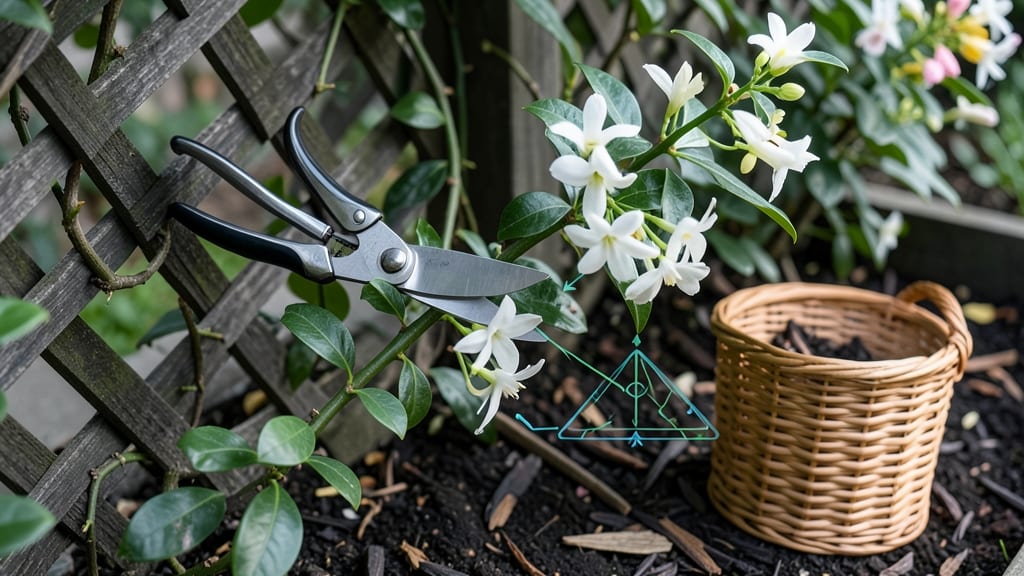
Late winter is the perfect time to prune jasmine plants for a fragrant summer full of blooms. ✨ I learned this the hard way after my first jasmine bush produced only half the flowers I expected—until I discovered the right timing and technique.
The key is cutting back one-third of the oldest stems while keeping the plant's natural shape intact.
You'll need sharp pruners, gloves, and a clear morning to work. Start by removing any dead, crossing, or crowded branches—these compete for energy and reduce flowering.
For climbing varieties like Jasminum officinale, focus on pruning after blooming to encourage next year's growth, while shrub types like Jasminum polyanthum respond best to late-winter cuts.
After pruning, your jasmine will reward you with lush, vigorous new growth by spring and an explosion of fragrant blooms by summer. The plant will look fuller, healthier, and more productive—plus, you'll avoid the common mistake of over-pruning, which can weaken the plant.
This method works for both climbing and shrub varieties, whether you're pruning a sprawling vine or a compact bush. The secret is patience—jasmine thrives with consistent care, and the fragrance alone makes it worth the effort.
📚 In This Guide
- What you need
- Instructions
- Tips and common mistakes
- Wrapping up and next steps
What you need
- ● Pruning shears or secateurs – Choose bypass pruners (sharp, clean blades) for precise cuts. Opt for 5-inch to 7-inch handles for better leverage on thicker stems.
- ● Garden gloves – Protect your hands from thorns (common in Jasminum nudiflorum) and sharp branches. Look for durable, thorn-resistant leather gloves.
- ● Disinfectant (70% isopropyl alcohol or rubbing alcohol) – 1 small bottle (4 oz) to sterilize tools between cuts and prevent disease spread.
- ○ Pruning saw (optional but helpful) – For thick stems over ½ inch in diameter, a folding pruning saw with a fine-tooth blade works best.
- ● Rags or paper towels – 2-3 sheets for wiping tools before and after use.
- ● Trash bag or compost bin – To dispose of pruned branches. 1 medium-sized bag (13-gallon) should suffice for light pruning.
- ● Hand pruners with a built-in bottle opener – Because every gardener deserves a break! 🍷
- ● Sharpie or permanent marker – To mark new growth points if you’re training the plant.
- ● Plant growth hormone (rooting powder) – If you plan to propagate cuttings, 1 small jar (2 oz) speeds up root development.
- ● Knee pad or stool – For comfort if your jasmine is tall or sprawling.
Step-by-Step guide to pruning jasmine plants for abundant blooms
Late winter is the perfect time to shape your jasmine—here’s how to do it right for a bushier, fragrant summer.
✂️ Step 1: Gather Your Tools and Assess the Plant
Start with clean, sharp pruning shears—dull blades crush stems and invite disease. I also grab rubbing alcohol to sterilize between cuts and gloves to protect against thorns. Jasmine’s old wood is tough, so a hand pruner or loppers for thicker branches works best.
Examine the plant for dead, crossing, or weak branches. These are your first targets—jasmine responds well to strategic cuts but hates clutter. Look for branches rubbing against each other or growing inward; these compete for energy and should go first. Mark them with a piece of twine if you’re unsure.
✂️ Step 2: Remove Dead and Problematic Growth
Cut out any dead or diseased wood at the base, making clean cuts at a 45-degree angle just outside the branch collar. This prevents water from pooling and rotting the wound. If a branch is crossing another, remove the weaker one—jasmine grows densely, and crowded stems lead to fewer blooms.
Next, trim back overly long branches by about one-third. This encourages bushier growth and more flowers. Watch for water sprouts—those thin, vertical shoots with no leaves—these sap energy and should be snipped at the base. I always prune these first; they’re easy to spot and remove.
✂️ Step 3: Shape for Airflow and Light Penetration
Step back and visualize the plant’s ideal shape—jasmine thrives when it gets good airflow and sunlight. Focus on opening up the center by cutting back branches that grow inward. Aim for an outward-facing, vase-like shape to maximize light exposure and reduce humidity buildup, which can lead to fungal issues.
Prune just outside a leaf node or bud—this is where new growth will sprout. If you’re unsure, look for a small bump or swelling on the stem; that’s your target. Avoid cutting into old, bare wood, as jasmine rarely regrows from there. For thick branches, make the cut just above a leaf bud pointing in the direction you want growth to go.
✂️ Step 4: Lighten the Canopy for More Blooms
Jasmine blooms on new wood, so the goal is to encourage fresh, vigorous growth. Thin out overly dense areas by removing one-third of the oldest stems at the base. This rejuvenates the plant and redirects energy to younger, more productive branches. If your jasmine is leggy, cut back the longest stems by half to encourage bushier regrowth.
Here’s the thing—don’t overdo it. While jasmine is forgiving, aggressive pruning can stress the plant. If you’re unsure, err on the side of caution and remove only what’s necessary. After pruning, give the plant a light fertilizer application to support new growth, but hold off on heavy feeding until spring.
⏰ Step 5: Clean Up and Monitor New Growth
Once you’ve finished pruning, sterilize your tools again with rubbing alcohol to prevent spreading disease. Rake up and dispose of any fallen debris—this reduces pests and fungal spores. Water the plant deeply but lightly to help it recover without overwhelming it.
Watch for new shoots emerging within 4-6 weeks. These are your signal that the pruning worked. If you see sparse regrowth, consider a balanced fertilizer to boost vitality. Avoid pruning again until late winter of the following year—jasmine needs time to establish its growth cycle.
Tips & tricks for perfect late winter jasmine pruning
Late winter pruning transforms your jasmine into a fragrant powerhouse—here’s how to avoid common pitfalls and maximize those summer blooms.
Tool Prep is Non-Negotiable: Before you even touch a branch, sterilize your pruning shears with rubbing alcohol between every 3-5 cuts. I learned this the hard way after my first pruning session left my plant with mysterious brown spots—turns out, sap from diseased branches can linger on blades. For thick branches in Step 1, switch to loppers immediately; struggling with shears crushes stems and invites infection. The 45-degree angle mentioned in Step 2 isn't just aesthetic—it creates a natural water runoff that prevents rot at the wound site.
Visual Cues Over Rules: When Step 3 instructs you to prune just outside a leaf node, look for the tiny bump where leaves attach—this is your growth trigger. If you're unsure whether a branch is "weak," gently bend it: if it snaps easily, it's competing for energy and should go. For leggy plants, focus on cutting back the longest stems by half (as in Step 4) but leave at least one strong branch per stem to maintain structure. The goal is to create a "vase shape" that lets sunlight penetrate to the center.
Post-Pruning Recovery Matters: That deep-but-light watering in Step 5 isn't just about hydration—it helps the plant establish new root growth without overwhelming it. Watch for new shoots in 4-6 weeks (not days!) as your confirmation the pruning worked. If you notice sparse regrowth, resist the urge to fertilize heavily—jasmine responds better to gradual feeding. I've seen gardeners overdo it here, leading to leafy growth at the expense of flowers. A light application of balanced fertilizer is all you need to support that first flush of new growth.
Pro Tips for Prune Jasmine Plant
- Late winter pruning transforms your jasmine into a fragrant powerhouse—here’s how to avoid common pitfalls and maximi...
- Tool Prep is Non-Negotiable: Before you even touch a branch, sterilize your pruning shears with rubbing alcohol betwe...
- Visual Cues Over Rules: When Step 3 instructs you to prune just outside a leaf node, look for the tiny bump where lea...
Frequently asked questions
Got questions about pruning your jasmine? You’re not alone! Here are answers to the most common concerns—from timing to troubleshooting—to keep your plant thriving and fragrant.
When is the best time to prune jasmine?
Late winter or early spring (right before new growth starts) is ideal for most jasmine varieties. For star jasmine, prune after flowering (summer). Avoid pruning in fall—it can stimulate tender growth that won’t survive winter. Pro tip: If you missed the window, a light trim in early spring is better than none!
How much can I cut back my jasmine plant?
For hard pruning (like rejuvenating an overgrown plant), cut back up to one-third of the plant’s height. For maintenance pruning, remove only dead, crossing, or leggy branches. Never trim more than ⅓ in a single season—jasmine grows back slowly and can stress easily. Think of it like a haircut: gradual is key!
What if I prune at the wrong time?
Pruning too late (after buds form in spring) can delay or reduce flowering. If you prune in fall, new growth may freeze in winter. Don’t panic: A light trim in early spring will help recover. Just avoid heavy cuts—jasmine blooms on old wood, so preserve last year’s stems when possible.
Can I prune jasmine indoors?
Yes! Indoor jasmine (like jasmine polyanthum) follows the same rules, but focus on shaping and airflow. Trim leggy stems to encourage bushiness, and remove yellow leaves. Watch for over-pruning: Indoor plants are slower to recover, so go light if your plant looks stressed. A sterilized pair of scissors prevents disease spread in tight spaces.
What should I do if my jasmine isn’t blooming after pruning?
Lack of blooms often means too much pruning or poor sunlight. Jasmine needs 6+ hours of sun daily and well-draining soil. If you cut back too aggressively, wait until next year. Boost blooms by:
- Fertilizing in spring with low-nitrogen, high-phosphorus food.
- Ensuring it’s not root-bound (repot if needed).
- Avoiding overwatering—jasmine hates soggy roots.
How often should I prune my jasmine?
Prune once a year (late winter) for maintenance, plus light trims throughout summer to remove spent blooms or unruly growth. Over-pruning stresses the plant—think of it like a haircut every 6 months, not weekly trims! If your jasmine is climbing a trellis, trim regularly to control spread and encourage airflow.
Wrapping up and next steps
Pruning your jasmine plant in late winter isn’t just about tidying up—it’s your secret to lush, fragrant blooms all summer long! 🌸 By following these simple steps, you’ll encourage healthier growth, better airflow, and those intoxicating floral scents you love.
Remember, timing, tools, and technique are your best friends here.
Now that you’re armed with the know-how, grab those shears and get pruning! 🌿 Start small if you’re new, and soon, your jasmine will reward you with vibrant flowers and a thriving, picturesque plant. Happy pruning—and enjoy the sweet rewards of your green thumb!
Next step: Watch your jasmine transform as you monitor its progress and adjust care as the seasons change!