
Vegetables
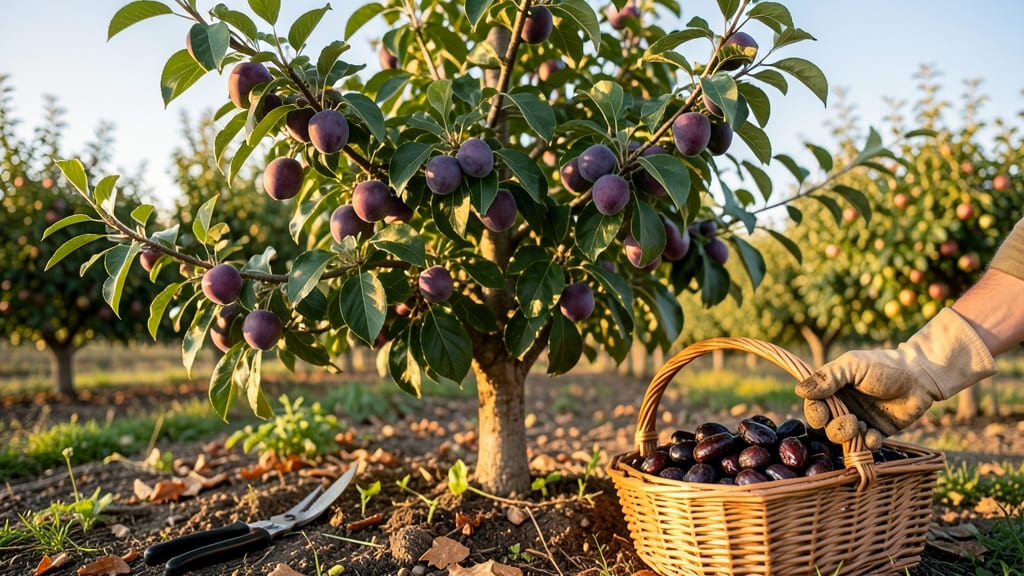
Italian prune plums deliver jam-packed flavor when you master their year-round pruning rhythm—and the secret starts with winter cuts that shape your tree for summer's bounty. 🌿 I learned the hard way that skipping winter pruning means smaller fruit and more pests, but once I got the timing right, my harvest tripled in just two seasons.
These plums aren't just for drying—they're the star of fresh desserts, jams, and even savory dishes when grown properly.
The key to success begins with full sun and well-draining soil, but don't stress over fancy amendments—just add compost at planting and keep the pH between 6.0 and 7.0.
Spacing matters too: give each tree 15-20 feet of room so branches can spread without crowding, which directly impacts fruit size and sweetness. Most gardeners overlook winter pruning, but that's when you remove last year's fruit wood to force new growth where the sweetest plums will form.
By late summer, you'll see the payoff: branches heavy with deep purple-black fruit that's sweeter than store-bought. The pruning schedule keeps working for you—spring cleans up broken wood, summer thins clusters for bigger plums, and winter sets up next year's harvest.
Even in small yards, dwarf varieties like 'Italian Prune' fit perfectly, producing reliably for decades with proper care.
Whether you're drying plums for winter preserves or picking fresh for summer pies, this method guarantees consistent, high-quality fruit year after year. The first harvest might take patience, but once you've mastered the pruning calendar, these trees become the most rewarding part of your garden.
Ready to transform your yard into a prune plum powerhouse?
📚 In This Guide
- What you need
- Instructions
- Tips and common mistakes
- Wrapping up and next steps
What you need
- ● Italian prune plum trees: Choose dwarf (6-8 ft) or semi-dwarf (12-16 ft) varieties for easier pruning. Buy from a reputable nursery (2-3 trees recommended for cross-pollination).
- ● Well-draining soil: Aim for pH 6.0–7.0. Amend clay soil with compost or sand (1 part per 3 parts soil).
- ● Sunlight: Full sun (6–8 hours/day).
- ● Water: Drip irrigation or 1–2 gallons per tree daily during dry spells.
- ● Fertilizer: Balanced 10-10-10 (spring planting)
- ● High-nitrogen 20-5-10 (early spring for new growth)
- ● Potassium-rich 0-0-50 (late summer for fruit development)
- ● Pruning shears: Bypass pruners (for clean cuts on branches ¼”–¾” thick).
- ● Loppers: For branches ½”–1.5” thick.
- ● Pruning saw: For thick branches >1.5” thick.
- ● Gloves: Heavy-duty leather or nitrile-coated for protection.
- ● Disinfectant: 70% isopropyl alcohol or bleach solution (1 part bleach : 9 parts water) to sterilize tools between cuts.
- ● Rake or cultivator: For clearing debris around the base.
- ● Tree supports: Stakes or tree ties for young saplings.
- ● Mulch: 3–4 inches of wood chips or straw (keep 6” away from trunk).
- ● Fruit thinning tool: For removing excess plums in summer (prevents overcrowding).
- ● Pest control: Neem oil or horticultural oil for aphids/mites.
- ○ Pruning paint: Tree wound sealant (optional; only for cuts >2” in diameter).
Step-by-step instructions for pruning Italian prune plums
Here's how I keep my Italian prune plums productive and sweet through every season.
✂️ Step 1: Prune for Structure in Late Winter
Start your pruning 4-6 weeks before your last frost when the tree is still dormant. Your goal is to open the center to sunlight and air, which prevents disease and encourages sweeter fruit. I begin by removing any dead, diseased, or crossing branches first—these compete with healthy growth and invite pests.
Use clean, sharp pruning shears to make cuts just outside the branch collar (that swollen area where the branch meets the trunk). Avoid leaving stubs—this is where infections start. For larger branches over ½ inch thick, use a pruning saw. You'll see the tree's natural structure emerge as you work, with a clear main scaffold of branches.
☀️ Step 2: Thin Fruit Spurs in Early Summer
When tiny flower buds appear in early spring, wait until they've fully bloomed and set fruit before thinning. Italian prune plums produce fruit on spurs (short, stubby branches), so you want to leave one cluster per spur to maximize size and sweetness. I remove excess fruit clusters with my fingers—no need for shears here.
Watch for clusters that are too close together; these will compete for nutrients and produce small, tart fruit. Aim to space remaining clusters 6-8 inches apart along the branch. This step is where you'll see the biggest payoff in flavor—less competition means sweeter, more concentrated fruit.
🌿 Step 3: Light Summer Pruning After Harvest
After your main harvest, do a quick inspection for any branches that grew too vigorously this season. These "water sprouts" (long, thin shoots with no fruit) need to go—they drain energy from productive wood. Cut them back to their point of origin using your pruning shears.
This is also when I address any rubbing branches that might have developed during the growing season. Smooth any rough edges with your shears and apply a thin layer of pruning sealant to larger cuts over ½ inch thick. You'll notice the tree looks more open and airy after this step, which helps prevent fungal issues.
⏰ Step 4: Final Light Pruning in Late Fall
In late fall, after leaves have dropped but before hard frosts, do one final light pruning pass. Remove any suckers (shoots growing from the base or roots) and any branches that died back during the winter. Keep cuts small—just enough to clean up the tree's shape without stressing it before dormancy.
This final prune helps the tree enter winter with a clean slate. I avoid heavy pruning now because the tree needs to harden off properly. Instead, focus on removing anything that might harbor pests or diseases over winter. You'll know you've done enough when the tree looks balanced and the center is fully open to sunlight.
Tips & tricks for year-round pruning of Italian prune plums
These simple strategies will help you maintain a healthy, productive Italian prune plum tree that yields consistently sweet fruit.
Timing is Everything: The 4-6 week window before your last frost in Step 1 is critical because it allows the tree to heal before spring growth begins. I always check my local frost dates and mark my calendar—this timing prevents stress on the tree during its most vulnerable period. Mark your calendar now so you don't miss this important window!
Tool Preparation Matters: Before you start pruning, sterilize your tools with rubbing alcohol to prevent spreading disease between cuts. I keep a small bottle of 70% isopropyl alcohol in my pruning kit and wipe down shears between each cut on larger branches. This simple step can make the difference between a healthy tree and one plagued by fungal infections.
Visual Cues for Healthy Cuts: When making cuts in Step 1, look for the branch collar—the swollen area where the branch meets the trunk. Your cut should be just outside this collar, creating a smooth, angled surface. This helps the tree seal the wound properly and prevents water from pooling, which can lead to rot. Practice on a few branches first if you're new to pruning!
Seasonal Pruning Strategy: The four-step approach outlined in the instructions creates a balanced growing cycle. In early summer, focus on spacing fruit clusters 6-8 inches apart to maximize sweetness. After harvest, remove water sprouts immediately—they grow quickly and can drain energy from productive wood. This seasonal rhythm keeps your tree in peak condition year after year.
Pro Tips for Italian Prune Plums
- These simple strategies will help you maintain a healthy, productive Italian prune plum tree that yields consistently...
- Timing is Everything: The 4-6 week window before your last frost in Step 1 is critical because it allows the tree to ...
- Tool Preparation Matters: Before you start pruning, sterilize your tools with rubbing alcohol to prevent spreading di...
Frequently asked questions
Got questions about growing Italian prune plums? Here are answers to the most common ones—so you can prune with confidence and enjoy that sweet harvest!
When is the best time to prune Italian prune plums?
Prune Italian prune plums in late winter or early spring (before buds swell) for best results. This timing promotes healthy growth and fruit production. Avoid pruning in fall, as it can stimulate new growth that’s vulnerable to cold damage. For minor shaping, light pruning can happen in summer after harvest—but keep it minimal!
How much should I prune each year?
Start with 15–20% of the tree’s canopy in the first year, then reduce to 10% annually for maintenance. Remove dead, diseased, or crossing branches first, then thin out crowded growth to improve airflow. Over-pruning weakens the tree—aim for balance! Pro tip: Use sharp tools to make clean cuts just outside the branch collar.
Will pruning affect next year’s fruit?
Yes—but in a good way! Proper pruning boosts fruit quality and quantity by redirecting energy to fewer, sweeter plums. Heavy pruning in early years may reduce harvests temporarily, but it sets up long-term productivity. Focus on structural pruning first, then fine-tune for fruit-bearing branches as the tree matures.
What if my tree isn’t fruiting after pruning?
Check these common issues:
- Age: Young trees (under 3 years) may not fruit yet—be patient!
- Light: Ensure full sun (6+ hours/day). Shady spots reduce flowering.
- Pollination: Most Italian prune plums are self-pollinating, but a second variety nearby can help.
- Nutrients: Test soil pH (ideal: 6.0–6.5) and amend with compost if needed.
Can I substitute Italian prune plums for other varieties?
Italian prune plums are prized for their intense sweetness and drying quality, but you can swap them with similar varieties like Stanley or Blackamber for pruning purposes. However, flavor and texture may differ—Italian prunes are the gold standard for jam, drying, and fresh eating! For dwarf trees, consider Methley or Santa Rosa as alternatives.
Bonus Tip:
Label your pruning cuts with waterproof tape to track branch growth over seasons. This helps you identify which branches to keep or remove in future pruning sessions!
Wrapping up and next steps
Italian prune plums are a gardener’s dream—packed with flavor, easy to grow, and perfect for year-round pruning to boost sweetness! With the right tools, timing, and techniques, you’ll enjoy a bountiful harvest of juicy, sun-ripened fruit.
Whether you’re a beginner or a seasoned green thumb, this guide gives you everything you need to prune like a pro and savor the rewards.
Ready to transform your garden? Start small—pick one tree or branch to practice this season, and soon you’ll be pruning with confidence. 🌱🍑 Grab your shears and get growing!