
Pruning
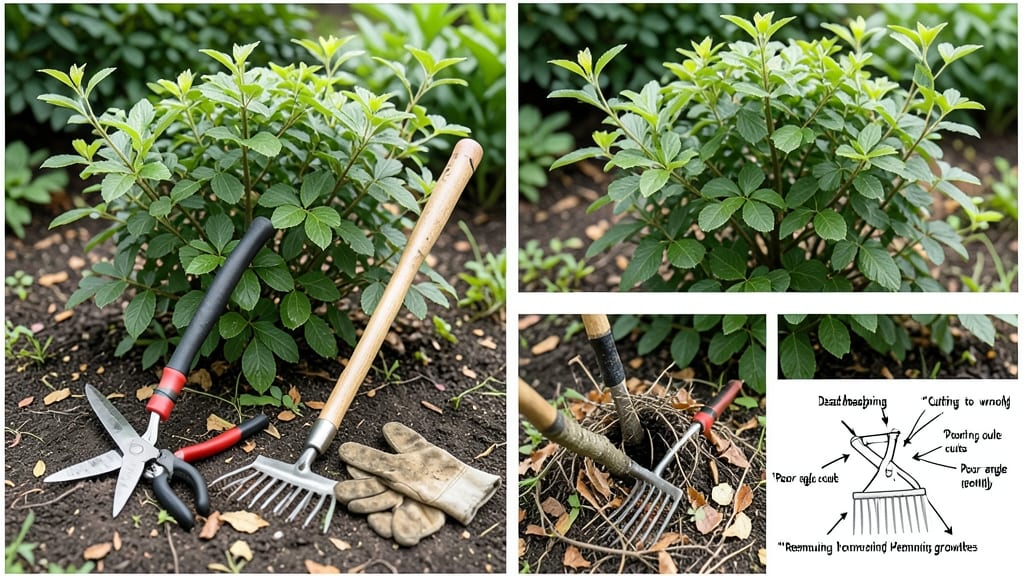
Your viburnum's blooms could be disappearing because of one simple pruning mistake. ✂️ I've seen gardeners accidentally turn lush shrubs into bare sticks by deadheading at the wrong time or cutting too aggressively—here's how to fix it before next season.
The biggest culprit is pruning after the flowers fade but before the berries ripen. Viburnums set next year's blooms on old wood, so aggressive cuts now mean fewer flowers in spring. Even worse, cutting at the wrong angle can invite disease into those fresh wounds.
What you'll end up with is a bush that flowers more heavily every year, with stronger stems and fewer pest problems. The secret is patience—wait until late winter or early spring to shape your viburnum, and always cut just above a outward-facing bud.
This works for all viburnum varieties, from snowball bushes to cranberrybush viburnums. Let's get those blooms back!
📚 In This Guide
- What you need
- Instructions
- Tips and common mistakes
- Wrapping up and next steps
What you need
- ● Bypass pruners – Sharp, clean pruners (1 pair) for clean cuts on small stems (¼"–¾" diameter). Pro tip: 🔥 Avoid dull blades—they crush stems, inviting disease!
- ● Loppers – Medium-sized (24"–36" handles) for thicker branches (¾"–2" diameter). Pro tip: 🌡️ Use a ratchet-style lopper for stubborn cuts.
- ○ Pruning saw – For branches thicker than 2" (optional but handy for mature viburnums). Pro tip: ✨ A bow saw or pruning saw with a curved blade works best.
- ● Garden gloves – Heavy-duty (1 pair) to protect against thorns and blisters.
- ● Disinfectant (70% isopropyl alcohol or bleach solution) – To sterilize tools between cuts and prevent disease spread.
- ● Rubbing alcohol or hand sanitizer – For cleaning hands post-pruning.
- ● Extension pole pruners – For high-reaching branches (great for large viburnums like Viburnum dentatum).
- ● Labeling tags & marker – If you’re grafting or propagating cuttings.
- ● Compost bin or bag – For disposing of pruned material (avoid piling near the plant to prevent pests).
- ● Pruning sealant – Only needed if sealing large cuts (controversial—most experts skip this for viburnums).
- ● Ladder (if needed) – A sturdy, 3-sided ladder for safety with tall viburnums.
- ● Choose the right time – Prune after flowering (late spring to early summer) for most viburnums, or late winter (dormant season) for Viburnum bodnantense (Winter Viburnum).
- ● Check the weather – Avoid pruning in wet or windy conditions (cuts heal slower).
- ● Review your viburnum type – Some (like Viburnum opulus) bloom on old wood—don’t prune too late!
How to avoid viburnum pruning mistakes that ruin your shrubs
Here’s the truth about viburnum pruning—most mistakes happen because people don’t know when to cut, not how.
✂️ Step 1: Wait Until After the First Major Bloom
Viburnums bloom on old wood, meaning last year’s growth produces this year’s flowers. If you prune too early, you’ll cut off next season’s blooms before they even form. Wait until after the first flush of flowers has faded—usually late spring or early summer—before touching your shears.
Watch for the first round of spent blooms to drop naturally. That’s your signal. Pruning too soon—like in early spring—removes flower buds that haven’t opened yet. I’ve seen gardeners hack away in February, only to end up with a shrub that skips blooming entirely.
✂️ Step 2: Cut Back Only Last Year’s Growth
Never remove more than one-third of the plant’s total volume in a single year. Viburnums grow on old wood, so pruning back to bare wood or old stems kills future blooms. Focus on dead, diseased, or crossing branches first—these are the only ones you should remove entirely.
Use sharp bypass pruners to make clean cuts just above a bud or lateral branch. Avoid leaving stubs, which invite rot. If you’re unsure which branches to cut, step back and look for stems that no longer produce flowers or have a weak, leggy appearance.
✂️ Step 3: Shape Gradually Over Time
Viburnums hate aggressive pruning. Instead of trying to reshape them all at once, make small adjustments each year. Remove only the oldest stems—those with no new growth—after they’ve finished blooming. This keeps the shrub compact and encourages fresh, flowering wood.
Here’s the thing—if you prune too hard in one go, you’ll end up with a shrub that looks like a sad, overgrown stump. I’ve seen viburnums go from lush, blooming bushes to bare sticks in a single season because someone got overzealous. Thin out 1-2 oldest stems per year to maintain shape.
✂️ Step 4: Never Deadhead Viburnum Flowers
This is the biggest mistake gardeners make. Unlike annuals, viburnums rely on old flower clusters to form next year’s fruit and blooms. Snipping off spent flowers removes potential seed pods, which signal the plant to produce new growth for the following season.
Instead of deadheading, let the flowers fade naturally. The dried clusters will turn into berries (if your viburnum is a fruiting variety) or simply drop. If you must tidy up, wait until after the berries have formed—or better yet, leave them for wildlife.
⏰ Step 5: Prune for Light and Airflow
Viburnums need good airflow to prevent fungal diseases like powdery mildew. Thin out overcrowded branches to let sunlight reach the center of the shrub. Aim for an open, rounded shape—this isn’t a topiary, so don’t stress perfection.
If your viburnum looks leggy, it’s likely not getting enough light. Prune to open up the canopy and encourage bushier growth. Avoid cutting into the center too much, though—this can expose the plant to winter damage. A little light in the middle goes a long way.
Tips & tricks for perfect viburnum pruning
Confession: I've watched beautiful viburnums turn into bare sticks after just one season of wrong pruning. Here's what nobody tells you about keeping these shrubs thriving.
Timing is Everything: The late spring to early summer window after your first major bloom has faded is your only safe time to prune. I've seen gardeners cut back in early spring and end up with no flowers the following year—those flower buds were already formed! Watch for the first spent blooms to drop naturally before you even think about picking up your shears.
Tool Matters: Sharp bypass pruners are non-negotiable for clean cuts that heal properly. I used dull shears for years and ended up with ragged cuts that took forever to recover. Make your cuts just above a bud or lateral branch—this is where new growth will emerge. Avoid leaving stubs, which create entry points for diseases like powdery mildew.
Visual Cues for Pruning: When shaping your viburnum, look for stems that no longer produce flowers or have a weak, leggy appearance—these are your targets. In Step 3, when you're removing only the oldest stems, think of it as making room for younger, more vigorous growth. The goal is an open, rounded shape that lets sunlight reach the center without exposing the plant to winter damage.
Wildlife Consideration: If your viburnum produces berries, resist the urge to tidy up after the flowers fade. Those seed pods are crucial for next year's blooms AND they provide food for birds. I've learned the hard way that removing them too early means fewer flowers—and fewer berries—next season. Leave them until after they've formed, or better yet, leave them entirely for your feathered friends.
Pro Tips for Viburnum Pruning Mistakes
- Confession: I've watched beautiful viburnums turn into bare sticks after just one season of wrong pruning. Here's wha...
- Timing is Everything: The late spring to early summer window after your first major bloom has faded is your only safe...
- Tool Matters: Sharp bypass pruners are non-negotiable for clean cuts that heal properly. I used dull shears for years...
Frequently asked questions
Got questions about keeping your viburnum blooming beautifully? Here are answers to some of the most common concerns—so you can avoid pruning pitfalls and enjoy lush, healthy shrubs all season long!
When is the best time to prune viburnum to avoid killing it?
Prune after flowering (late spring to early summer) for most viburnums—this ensures you don’t cut off next year’s blooms. Evergreens like Viburnum tinus can be lightly trimmed in late winter, but avoid heavy pruning during dormancy. Pro tip: Never prune in fall—it invites disease and weakens growth!
What happens if I prune viburnum at the wrong time?
Pruning too early (before blooms fade) removes flower buds, leaving you with zero spring blooms. Over-pruning in fall or winter stresses the plant, making it vulnerable to frost damage or fungal infections. Result? Stunted growth, fewer flowers, and a sad, leggy shrub. Timing is everything!
Can I revive a viburnum that’s been over-pruned?
Yes! Start by cutting back only dead or diseased wood first. Then, focus on rebalancing the shape by removing up to ⅓ of the oldest stems at the base. Water deeply, fertilize lightly, and monitor for new growth. Patience is key: Recovery takes 1–2 seasons, but consistent care brings it back!
Do I need to deadhead viburnum flowers?
Not always! Many viburnums (like Viburnum opulus) produce berries that birds love—deadheading removes seed heads but isn’t required. For Viburnum bodnantense, skip deadheading entirely to encourage next year’s fragrant blooms. Exception: Prune spent blooms after they fade to tidy up, but never before!
Why does my viburnum have no flowers after pruning?
Likely culprits:
- Pruning before blooms faded (cutting off flower buds).
- Over-pruning (removing too many stems at once).
- Poor nutrition (low phosphorus or potassium).
Wrapping up and next steps
Pruning your viburnum correctly is the key to vibrant blooms and lush growth—but avoiding common mistakes ensures your hard work pays off! Remember to time your cuts, use sharp tools, and avoid over-pruning to keep your shrub thriving.
With these tips, you’ll transform potential disasters into a stunning, healthy viburnum that steals the show in your garden. 🌿✨
Now that you’re armed with the right knowledge, grab those shears and get pruning! Start with one shrub at a time, and soon you’ll have a garden full of blooming beauty. Happy pruning! 🌸