
Pruning
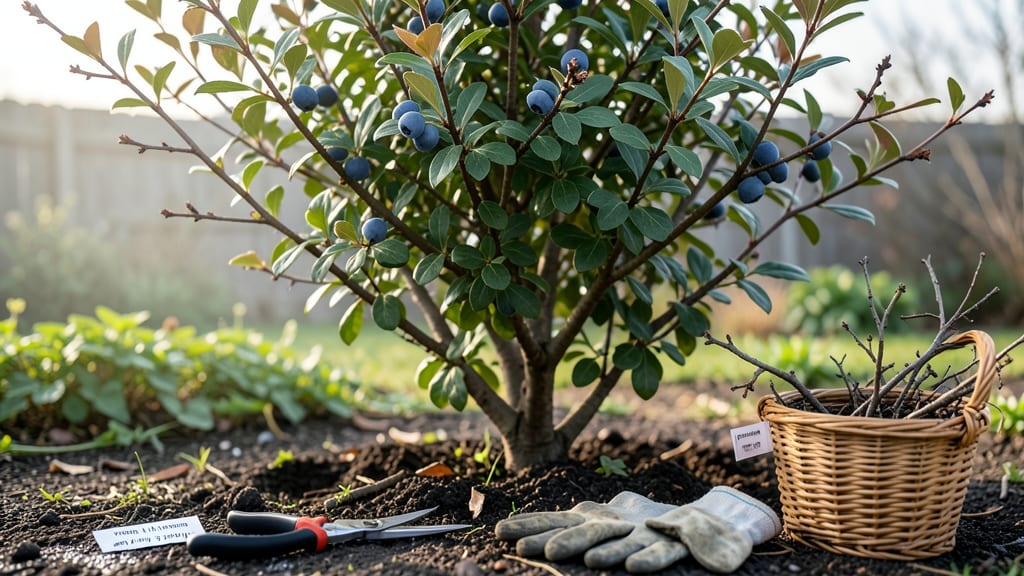
Pruning blueberries in Oregon during late winter—right before bud swell—is the key to a bountiful harvest and healthy canes 🫐.
Picture this: You’ve spent months nurturing your bushes, only to prune at the wrong time and watch your berry yield shrink—or worse, risk frost damage to fresh cuts. Oregon’s wet springs and unpredictable frost dates make timing everything.
Late winter (February to early March) is your sweet spot, when the plant is dormant but not yet vulnerable to spring’s chill. This is when you remove last year’s fruit-bearing canes and shape the bush for next year’s growth, all while avoiding the disease risks of pruning too late.
Below, I’ll walk you through the exact steps, tools, and Oregon-specific adjustments to prune like a pro—so your bushes thrive, not just survive.
Best late winter pruning timeline for Oregon blueberry bushes
Oregon’s mild but unpredictable winters make late winter the perfect window for pruning blueberry bushes. Pruning too early risks frost damage to fresh cuts, while waiting too long delays spring growth and fruit production.
The key is watching for bud swelling—a sure sign your bush is waking up from dormancy.
In Oregon’s USDA Zones 7b-9a, late winter typically spans February through early March. This period balances dormant canes with emerging buds, giving you the ideal 2-3 week window to prune. Miss this timing, and you might stress your plant or invite disease from wet spring conditions.
Before grabbing your pruners, check for bud swelling—tiny green bumps along last year’s canes. If buds are still tight and dormant, wait a week.
But if they’re plump and ready to burst, it’s time to prune! This cue is more reliable than calendar dates in Oregon’s variable climate.
Oregon’s Pacific Northwest rain adds complexity. Pruning during prolonged wet spells increases fungal risks like botrytis. Aim for dry, sunny days with highs above 45°F to let cuts heal faster. If rain is forecast, reschedule—your blueberries will thank you with healthier canes and bigger harvests.
Here’s your month-by-month Oregon pruning guide, tailored to local conditions:
For Portland gardeners, aim to finish pruning by mid-March to avoid late frosts that can damage new growth. In Medford or Southern Oregon, you may have an extra week—watch for bud burst (when buds crack open) as your final cue.
Pro tip: Label canes after pruning to track age—1-year-old canes produce fruit, while 3+ year-old canes should be removed to rejuvenate your bush.
Oregon’s wet springs demand extra care post-pruning. After cutting, sterilize tools with rubbing alcohol to prevent spore spread. Apply a 2-inch layer of mulch around the base to retain moisture and suppress weeds. Avoid over-mulching, which can smother roots—stick to 3-4 inches max.
If you miss late winter, don’t panic! You can still prune lightly in early spring (April), but focus only on removing dead or diseased wood.
Heavy pruning this late risks reduced fruit set and weaker canes. For optimal results, late winter is non-negotiable—it’s when you shape next year’s harvest.
Remember: Patience pays off. Oregon blueberries thrive with consistent care, and pruning at the right time ensures stronger canes, more flowers, and bigger berries by summer. Grab your tools, check those buds, and give your bushes the head start they deserve!
How to prune blueberries correctly: step-by-step Oregon-specific technique
Pruning blueberries in Oregon requires a delicate balance—too early, and you risk frost damage to fresh cuts; too late, and you invite disease from the region’s wet winters.
The key is timing cuts when the bush is dormant but buds are swelling, typically in late February to early March. This method ensures stronger cane growth and maximizes next year’s fruit production.
Start by examining your blueberry bush for dead or diseased canes. Oregon’s damp climate accelerates rot, so remove any canes that are blackened, mushy, or covered in mold.
Use sharp, sterilized pruners to make clean cuts at a 45-degree angle, about 1/4 inch above a bud. This prevents water from pooling and causing further decay.
Next, focus on thinning crowded canes. Blueberries produce fruit on second-year wood, so prioritize keeping 3-5 of the thickest, healthiest canes per bush. Remove any thin, weak canes or those growing inward—they compete for nutrients and block sunlight.
Aim for an open center to improve airflow and reduce humidity-related fungal diseases.
⚠️ WARNING: Oregon-Specific Pruning Pitfalls ⚠️
⚠️ Never prune blueberries in Oregon during rainy seasons (November–March). Wet conditions create perfect conditions for botrytis blight and other fungal infections. If you miss the late-winter window, wait until post-harvest (late summer)—but avoid heavy pruning then, as it stresses the plant before dormancy.
✅ DO: Prune on dry, frost-free days (check Portland’s last frost date: ~April 15).
❌ DON’T: Prune when buds are swollen but leaves haven’t emerged—this signals early growth, making cuts vulnerable to frost.
Shape your bush into a rounded, vase-like form to encourage sunlight penetration to the center. This isn’t just cosmetic—even light distribution prevents mold growth and ensures consistent fruit ripening.
For dwarf varieties, keep the height under 4 feet; standard bushes can reach 6–12 feet but benefit from occasional topping to control size.
After pruning, sterilize your tools again with rubbing alcohol to prevent cross-contamination. Dispose of diseased canes in the trash—not your compost—since fungal spores can survive decomposition.
Finally, apply a 2–3 inch layer of mulch around the base (but not touching the stem) to retain moisture and suppress weeds, which compete for nutrients.
In Oregon’s climate, post-pruning care is just as critical as the cuts themselves. Water deeply once a week if rainfall is scarce, and monitor for aphids or spider mites, which thrive in the damp air.
A neem oil spray can preemptively protect your bush if you spot early signs of pests. With the right technique, your blueberries will reward you with juicier berries and healthier canes for years to come. 🫐✂️