
Pruning
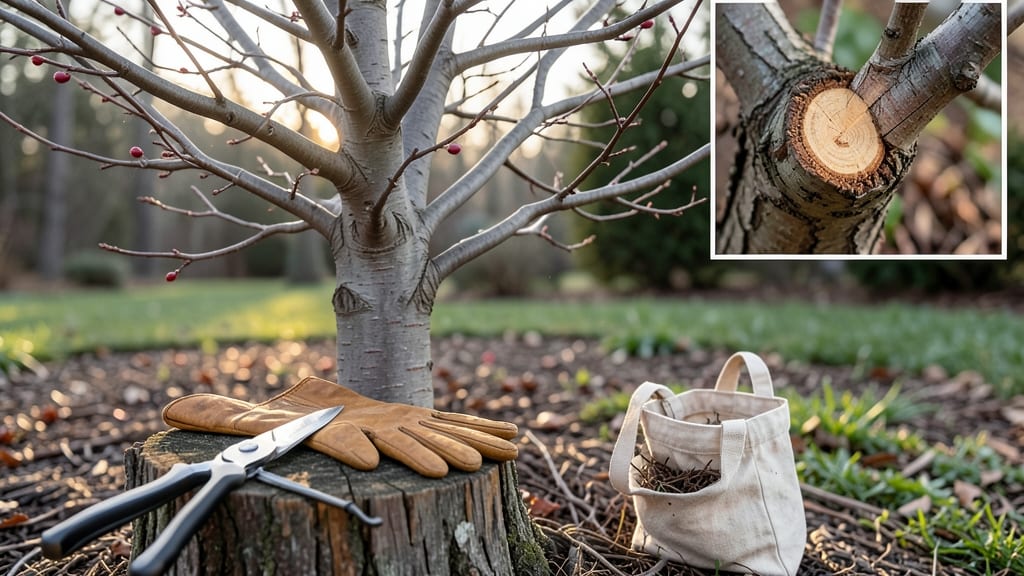
To prune dogwood bushes, do it in late winter or early spring, right before new growth starts, so you don’t harm next year’s blooms or stress the plant. Avoid pruning after mid-summer to keep your dogwood flowering beautifully.
Timing matters because dogwoods bloom on old wood, meaning their flowers form on branches that grew the previous year.
Pruning too late disrupts this cycle, and those buds won’t develop. 🌸 Late winter/early spring also lets you clean up winter damage while the plant is still dormant—reducing stress and disease risks. Think of it like giving your dogwood a fresh start before the growing season kicks off.
What’s interesting is how dogwoods react to summer pruning. If you cut back branches after mid-summer, you’re essentially telling the plant, "Hey, don’t bother flowering next year!"
The energy shifts to new growth instead of blooms. That’s why experienced gardeners swear by the late-winter window—it’s the sweet spot for both aesthetics and plant health.
💡 In This Article
- Dogwood Pruning Timing Explained: Why Late Winter Works Best
- Step-by-Step Dogwood Pruning Guide for Beginners
Dogwood pruning timing explained: why late winter works best
Dogwoods bloom on old wood, meaning their flower buds formed during the previous growing season. When you prune in late winter or early spring—typically between February and March in most climates—you're working with branches that have already set their buds for next year's blooms.
This timing ensures you're not accidentally removing next season's flowers, which would happen if you pruned after mid-summer when new growth hasn't yet established.
The dormant season is ideal because it minimizes stress on the plant. During winter, dogwoods are in a resting state with reduced sap flow, which means less bleeding (that sticky, gooey sap) and faster healing when you make cuts.
Think of it like getting a haircut when your hair isn't growing—you're shaping without disrupting the growth cycle. Plus, pruning during dormancy helps prevent fungal infections, as wounds have more time to seal before warm, humid conditions arrive in spring. 🌿
Here's what happens if you prune at the wrong time: Summer pruning (after mid-July) triggers new growth that won't have time to harden off before winter, leaving tender shoots vulnerable to frost damage.
Even more critical, summer cuts remove potential flower buds before they've formed, since dogwoods need 60-90 days of cool temperatures after flowering to set next year's blooms. That's why gardeners often say dogwoods are "one-cut wonders"—get the timing wrong, and you might sacrifice next year's spectacular display.
Temperature plays a key role too. Pruning when daytime highs are consistently above 40°F but before buds begin swelling (usually 3-4 weeks before leaf-out) gives you the perfect window. In colder zones, this might mean waiting until late March, while warmer regions can start as early as February.
The goal is to catch the plant just before it "wakes up" from dormancy—like catching a train at the exact right moment before it departs.
Another biological advantage of late-winter pruning is disease prevention. Wet spring conditions create perfect breeding grounds for fungal pathogens like anthracnose, which dogwoods are particularly susceptible to. By removing dead or diseased branches during dormancy, you're giving your plant a clean slate before the growing season begins.
It's like giving your dogwood a deep clean before the main event—healthier branches mean stronger resistance to pests and diseases once summer arrives.
Consider this comparison: Pruning in late winter is like scheduling a root canal when your tooth isn't actively growing—you're addressing issues without disrupting the natural process. Summer pruning, on the other hand, is like trying to cut your hair during a growth spurt—you're constantly playing catch-up.
The dormant season gives you the cleanest, most effective opportunity to shape your dogwood without consequences. 🌸
For visual learners, imagine your dogwood's growth cycle as a calendar: January-February is the "planning" phase where buds form, March-April is "execution" when growth begins, and May-July is the "performance" with blooms.
Pruning in late winter is like editing the script before rehearsals begin—you're setting the stage for a perfect show next season.