
How To
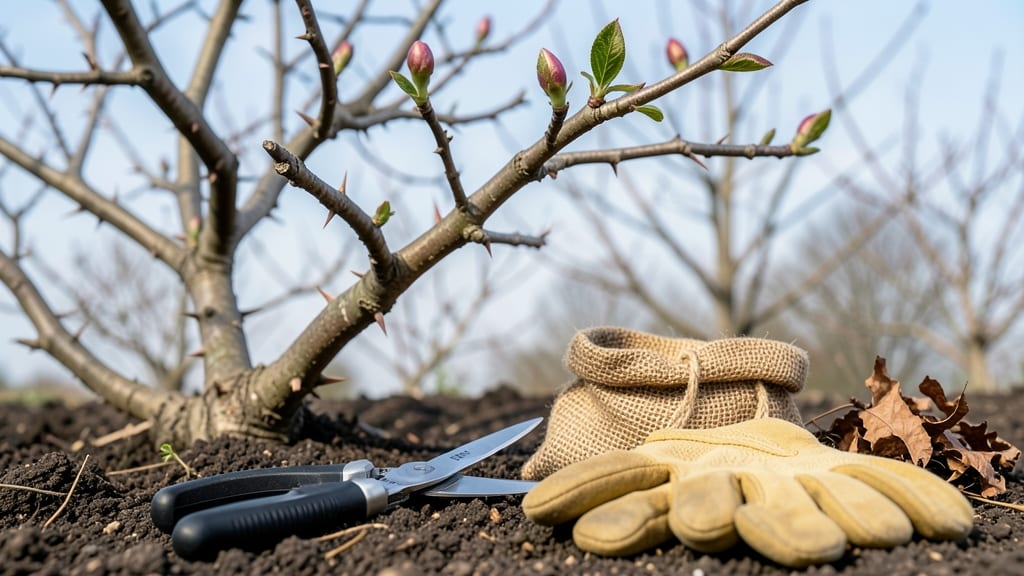
To prune Japanese quince for the best blooms, aim for late winter or early spring before the buds swell — a critical window that sets the stage for vibrant spring flowers.
Picture this: you’ve just finished winterizing your garden, and your Japanese quince 🌸 sits dormant, waiting for the right moment to wake up. Prune too early, and you risk cutting off next year’s blooms.
Too late, and you’ll encourage weak growth. The key is timing it just right, right before the plant’s energy shifts from dormancy to growth.
Why does timing matter so much? Japanese quince blooms on old wood, meaning the flowers form on branches that grew the previous year. If you prune after the buds break, you’re essentially cutting off potential blooms before they even appear.
Plus, pruning in the dormant season helps prevent disease and keeps your shrub healthy for years to come.
In this guide, I’ll walk you through the exact steps to prune your Japanese quince, from identifying the best branches to cut to using the right tools for clean, precise cuts.
You’ll also learn how to spot common mistakes and avoid them, so your quince stays lush and full of flowers every spring.
Best time to prune Japanese quince for optimal bloom production
Pruning your Japanese quince at the right time is crucial for encouraging vibrant spring blooms and maintaining plant health. Unlike many shrubs, Japanese quince blooms on old wood, meaning last year's growth produces this year's flowers.
Cutting too late or too early can reduce flower production or stress the plant.
The ideal pruning window is during the dormant season, specifically from late winter to early spring, just before new growth begins. This timing ensures you remove dead or weak branches without sacrificing next year's blooms.
For most regions, this falls between February and March, but exact timing depends on your local climate.
In colder climates (USDA Zones 3-5), wait until the ground thaws and there’s no risk of frost. Look for swollen buds but no green shoots—this is your cue. In warmer zones (Zones 9-10), prune in late winter to avoid encouraging new growth before the rainy season starts.
Pruning too early (mid-winter) can leave cuts vulnerable to winter dieback or frost damage. Conversely, pruning too late (after buds swell) risks removing next year’s flower buds. Always aim to finish pruning at least 4-6 weeks before your last expected frost date to allow wounds to heal.
Watch for visual cues like bud swelling or the first signs of green shoots. If you see new growth starting, it’s already too late to prune for optimal bloom production. Japanese quince is forgiving, but precise timing maximizes flowering potential and plant vigor.
Regional adjustments matter. In Pacific Northwest climates, prune in February when temperatures hover around 40°F (4°C). In the Southeast, aim for January before warm spells trigger early growth. Always prioritize dormant-season pruning over summer or fall cuts.
After pruning, clean your tools with rubbing alcohol to prevent spreading bacterial canker, a common disease in Japanese quince. Remove all dead or diseased branches first, then shape the shrub by thinning out overcrowded branches to improve airflow. This reduces disease risk and encourages stronger growth.
If you miss the dormant-season window, you can do a light pruning in early summer to remove water sprouts or sucker growth, but avoid heavy cuts. Summer pruning won’t impact blooms as much as dormant-season pruning, but it helps maintain the plant’s shape and health.
Remember: Japanese quince blooms on old wood, so the key is to prune just enough to shape and remove dead wood without overdoing it. A well-timed dormant-season prune sets the stage for abundant spring flowers and a healthier shrub all season long.
Step-by-step pruning process for Japanese quince: what to cut and why
Pruning your Japanese quince isn’t just about shaping—it’s about encouraging vibrant blooms and maintaining plant health. The key is removing the wrong growth while preserving the framework that produces flowers.
Start by gathering your tools: bypass pruners, loppers, and a sharp saw for thicker branches. Always sterilize tools with rubbing alcohol to prevent spreading disease.
First, identify what to remove: dead or diseased branches (they’re brown, brittle, or oozing sap), water sprouts (thin, upright shoots with no leaves), and sucker growth (vigorous shoots at the base).
These compete with your plant for energy and reduce flowering. Next, look for overcrowded branches rubbing against each other—these need thinning to improve airflow and light penetration.
Step-by-Step Pruning Process
- Step 1: Remove dead/diseased wood first—cut back to healthy green tissue or the branch collar.
- Step 2: Thin overcrowded branches by cutting at the branch union to open the plant’s center.
- Step 3: Prune water sprouts and suckers at the base to redirect energy to flowering branches.
- Step 4: Shape the outer canopy by shortening last year’s growth by 1/3 to encourage new blooms.
- Step 5: Clean up all debris and sterilize tools to prevent disease for next year.
When making cuts, always prune just outside the branch collar (the swollen area where the branch meets the trunk). Avoid leaving stubs, as they can invite disease.
For larger branches, make a 3-step cut: undercut, then cut above, and finally smooth the edge. This prevents tearing and ensures a clean healing response.
Pay special attention to old wood—Japanese quince blooms on last year’s growth, so avoid cutting back into 2-year-old branches unless they’re diseased. If you accidentally remove too much, don’t panic!
Your plant will recover, but you may see fewer blooms that season. Focus on gradual shaping over time for the best results.
After pruning, apply a balanced fertilizer (like 10-10-10) to support new growth. Mulch around the base with organic matter to retain moisture and suppress weeds. Water deeply to help the plant recover from stress.
With proper pruning, your Japanese quince will reward you with bold spring blooms and a neat, healthy shape.
Remember, pruning is an annual ritual—not a one-time fix. Schedule it every late winter or early spring (just before buds swell) to keep your plant thriving. The more you practice, the easier it becomes to spot problem areas and encourage growth in the right places. Happy pruning! ✂️🌸