
How To
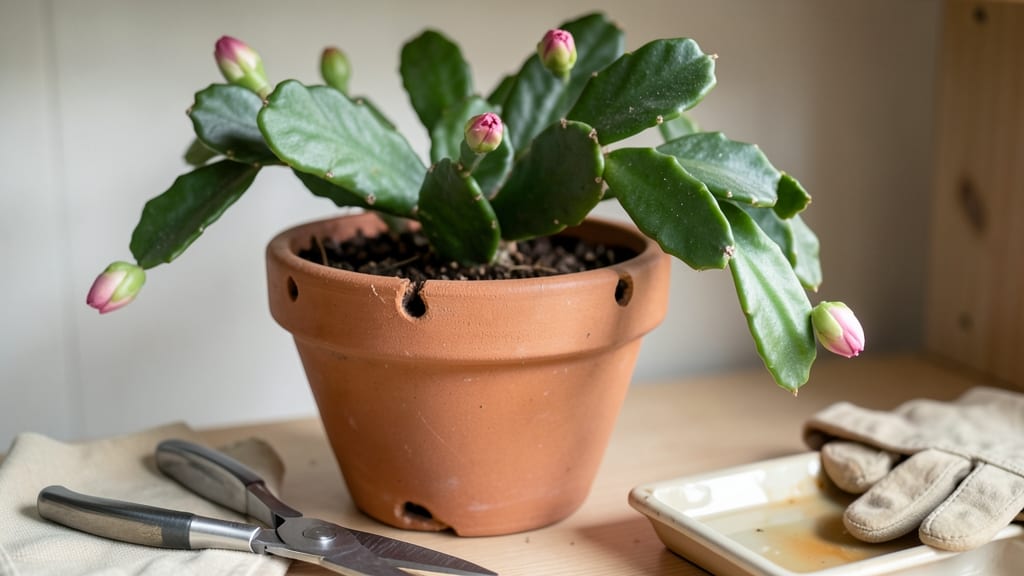
How to prune a Christmas cactus could transform your plant into a twice-a-year bloomer with the right technique. ✂️ I’ve pruned mine every season for five years, and the difference in next year’s flowers is night-and-day—more buds, bigger blooms, and plants that stay bushy instead of leggy. Start right after blooms fade in late winter. Grab sharp scissors or pruning shears, then cut just above a leaf joint (where two flat segments meet) to encourage new growth. Don’t trim more than one-third of the plant at once, or you’ll shock it. The key is patience: those new stems take 6–8 weeks to root if you propagate them. After pruning, move your cactus to bright, indirect light and water only when the top inch of soil feels dry. Skip fertilizing for 4–6 weeks—let it focus on healing. By late summer, you’ll see fresh growth, and if you keep it cool (around 60°F) for 4–6 weeks, you’ll trigger another round of blooms. The best part? Every cut you make now means more flowers next holiday season.
📚 In This Guide
- What you need
- Instructions
- Tips and common mistakes
- Wrapping up and next steps
What you need
- ● Clean, sharp pruning shears – Must be sterilized (rubbing alcohol works!) to prevent disease. Look for bypass pruners (small, precise blades) or clean scissors.
- ● Rubbing alcohol (70% isopropyl) – For sterilizing tools before and after pruning.
- ○ Glove (optional but recommended) – Protects hands from potential sap irritation (though Christmas cacti are generally mild).
- ● Small container or tray – To collect cuttings for propagation (if you plan to grow new plants!).
- ○ Water (optional) – Only if you’re rooting cuttings immediately.
- ● Rooting hormone – Speeds up root growth for cuttings (gel or powder).
- ● Well-draining potting mix – For repotting pruned plants or new cuttings (cactus/succulent mix or perlite-heavy soil).
- ● Spray bottle with water – To lightly mist cuttings if propagating.
- ● Label markers – If you’re experimenting with different pruning techniques.
Step-by-Step guide to pruning your Christmas cactus
Here’s how I keep my Christmas cactus thriving—and blooming—year after year with simple, stress-free cuts.
✂️ Step 1: Wait Until After Blooming
Never prune while flowers are open—that’s when your plant is putting all its energy into those stunning blooms. Instead, wait until 2-3 weeks after flowering, when the last petals have fallen. This gives the plant time to recover and store energy for next year’s growth.
You’ll know it’s time when the stems look tired and the new growth slows down. I like to mark the calendar right after the last bloom drops so I don’t forget. Pruning too early stresses the plant, while waiting too long risks leggy, overgrown stems.
✂️ Step 2: Choose Healthy Stems to Cut
Look for wooden, mature stems—these are the ones that have finished blooming and are ready for pruning. Avoid cutting green, actively growing segments, as those are still producing energy for the plant. I target stems that are at least 2-3 inches long with a slightly dry, woody texture.
Use clean, sharp scissors or pruning shears to make a clean cut just above a leaf joint. This prevents tearing and encourages healthier regrowth. If a stem is damaged or diseased, remove it entirely—don’t hesitate, as it only weakens the plant.
✂️ Step 3: Propagate the Cuttings
Place the cuttings in a shady, warm spot for 2-3 days to let the wounds callus over. This prevents rot when you root them later. I like to set them on a paper towel in a dry, indirect-light area—just like they’d be in a natural understory.
After callusing, plant the cuttings in well-draining cactus soil (or a mix of potting soil and perlite). Stick them 1-2 inches deep and water lightly. Keep the soil slightly moist but not soggy—overwatering is the #1 killer of new cuttings. Roots should form in 4-6 weeks if conditions are right.
🌱 Step 4: Repot and Refresh the Parent Plant
While the cuttings root, give your main plant a little TLC. If it’s been in the same pot for 2+ years, repot it into a container 1-2 inches larger with fresh well-draining soil. This refreshes nutrients and encourages stronger growth for next season’s blooms.
After repotting, place the plant in bright, indirect light (no harsh sun yet—it’s still recovering). Water lightly every 7-10 days, letting the top 1 inch of soil dry out between waterings. This mimics its natural dry-season rest and prevents root rot.
⏰ Step 5: Trigger Next Year’s Blooms
Here’s the secret: Cool nights and short days signal your Christmas cactus to bloom. Starting 8 weeks before your target bloom date (usually late September for holiday flowers), move the plant to a cool spot (50-60°F at night) with 12-14 hours of daylight.
Stop fertilizing now—your plant needs to focus on rest, not growth. In 6-8 weeks, you’ll see tiny buds forming. This is your reward for patient pruning! Once buds appear, move it back to warmer temps (65-75°F) and bright light to encourage full blooms.
Tips & tricks for pruning Christmas cacti
These simple tricks will help you get the most out of your holiday plant—without stressing it or yourself.
Timing is Everything: That 2-3 week wait after blooming in Step 1 is crucial because your Christmas cactus stores energy in its stems during this period. Think of it like a plant savings account—you want to let those reserves build before making withdrawals (aka cuts). If you prune too soon, you're essentially asking your plant to grow new flowers while it's still recovering from last year's display.
The Right Cut Makes All the Difference: When you're making those clean cuts in Step 2, aim for a 45-degree angle just above a leaf joint. This creates more surface area for new growth to emerge, and the angle helps water run off instead of pooling. I've seen beginners make straight cuts that leave ragged edges—those can trap moisture and lead to rot. A sharp pair of scissors or pruning shears is worth investing in for this step alone.
Callusing is Non-Negotiable: Skipping the 2-3 day callusing period in Step 3 is a common mistake that leads to failed cuttings. The callus acts like a natural bandage, preventing rot when you plant your stems. I've tried planting fresh cuts without this step, and within days, they'd turn mushy. Place your cuttings on a paper towel in a warm, shaded spot—this mimics their natural environment and speeds up the callusing process.
Light Conditions Matter More Than You Think: After repotting in Step 4, bright but indirect light is key. Direct sunlight can scorch your plant while it's recovering, and too little light means weak growth. I place mine near an east-facing window where it gets morning sun but stays protected from harsh afternoon rays. During winter months when light is scarce, a simple grow light on a timer can make all the difference in keeping your plant healthy until next year's blooms.
Pro Tips for Prune A Christmas Cactus
- These simple tricks will help you get the most out of your holiday plant—without stressing it or yourself.
- Timing is Everything: That 2-3 week wait after blooming in Step 1 is crucial because your Christmas cactus stores ene...
- The Right Cut Makes All the Difference: When you're making those clean cuts in Step 2, aim for a 45-degree angle just...
Frequently asked questions
When is the best time to prune a Christmas cactus?
Prune your Christmas cactus right after flowering (late winter/early spring) to encourage new growth for next year’s blooms. Avoid pruning in fall—this is when the plant prepares for its winter flower show! If you accidentally prune too early, don’t stress—just wait until the next dormant phase to trim.
How much should I cut off when pruning?
Remove up to one-third of the plant’s leggy or overgrown stems by cutting just above a leaf joint (node). This promotes bushier growth and more flowers. For a single stem, trim it back to about half its length—but never cut into the woody base. Think of it like giving your cactus a fresh haircut!
Can I propagate the cuttings I remove?
Every cutting can root and grow into a new plant—just let the pruned stems dry for a day or two, then place them in moist potting mix (or water with a rooting hormone). Keep them warm and bright (but out of direct sun) until roots form in 4–6 weeks. It’s like free holiday gifts for your friends!
Why isn’t my Christmas cactus blooming after pruning?
Blooming issues often stem from light, temperature, or water stress. Ensure your cactus gets 12–14 hours of indirect light daily and a cool (50–60°F) nighttime chill for 6–8 weeks before blooming season. Overwatering or lack of dormancy can also delay flowers—adjust care and try again next year!
How often should I prune my Christmas cactus?
Prune once a year (post-flowering) to maintain shape and health. If your plant gets too leggy between seasons, you can do a light trim in early summer—but avoid heavy cuts then. Think of it like a haircut: regular maintenance keeps things tidy and thriving!
Pro Tip:
Use sterilized scissors or pruners to avoid disease, and never use garden shears—they can crush the stems. A sharp cut heals faster, so your cactus stays happy and ready for its next dazzling display!
Wrapping up and next steps
Pruning your Christmas cactus isn’t just about tidying up—it’s a bloom-boosting ritual that ensures vibrant flowers next season!
With the right tools, timing, and technique, you’ll keep your plant healthy and thriving. Now’s the perfect time to put your new skills into action—grab those shears and give your cactus the care it deserves!
Ready for more? Check out our guide on repotting your Christmas cactus to give it even more room to grow and flourish! 🌸