
Pruning
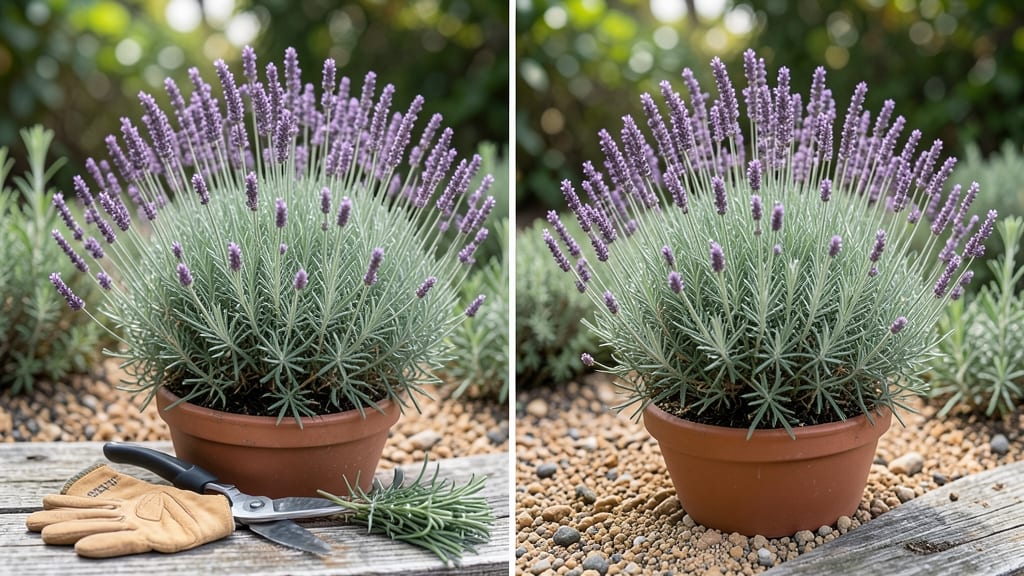
Pruning French lavender in late winter isn’t just about shaping—it’s about unlocking fragrant, bushier growth that lasts all season. 🌿 I’ve pruned mine for years, and the difference between a well-timed cut and a missed opportunity is dramatic. The key?
A sharp pair of shears, patience, and knowing exactly where to stop. The right tools and timing make all the difference. You’ll need bypass pruners (never dull shears—they crush stems), gloves to protect from woody stems, and a clear day to avoid damp wood.
Late winter, just as new growth starts, is ideal, but if you miss it, post-bloom pruning still works—just trim lightly to avoid sacrificing next year’s flowers. After pruning, your lavender will reward you with thicker, more vibrant foliage and those signature purple blooms. The secret?
Never cut into old wood—always leave at least a third of the plant’s height. Water lightly after pruning to help it recover, and avoid fertilizing, as lavender thrives in lean soil. This method works for French lavender in containers or garden beds, and the results speak for themselves.
Ready to transform your lavender from sparse to showstopping?
📚 In This Guide
- What you need
- Instructions
- Tips and common mistakes
- Wrapping up and next steps
What you need
- ● Pruning shears or secateurs: Choose bypass pruners (not anvil-type) for clean cuts. Opt for sharp, stainless-steel blades (4-6 inch size) to avoid crushing stems.
- ● Garden gloves: A pair of cut-resistant, breathable gloves (size medium or large) to protect your hands from thorns and rough stems.
- ○ Disinfectant (optional but recommended): 70% isopropyl alcohol or a 10% bleach solution (1 part bleach to 9 parts water) to sterilize tools between cuts and prevent disease.
- ● Rake or broom: A stiff-bristled rake or broom to clear away pruned debris and fallen leaves.
- ● Garden twine or string: A small roll (10-20 feet) to temporarily tie back branches if needed for better visibility.
- ● Watering can or hose: A 5-gallon capacity with a gentle spray nozzle to hydrate plants post-pruning.
- ● Hand pruners (small bypass shears): For trimming hard-to-reach spots or delicate stems.
- ● Knee pads: If your lavender is ground-level, these make pruning more comfortable!
- ● Plant food (low-nitrogen fertilizer): A balanced 10-10-10 or 5-10-10 formula to nourish lavender after pruning (apply 2-3 weeks later).
- ● Mulch: Organic mulch (like straw or pine needles) to retain moisture and suppress weeds.
- ● Camera or phone: Snap before-and-after photos to track your lavender’s growth progress!
Step-by-step guide to pruning French lavender
This is the method I’ve used for years to keep my French lavender looking lush and fragrant—without sacrificing next year’s blooms.
✂️ Step 1: Time Your Prune for Late Winter
Wait until mid-to-late February when your region’s last frost has passed, but before new growth appears. This timing ensures you’re not cutting back fresh spring shoots that could die in cold snaps. French lavender blooms on new wood, so pruning too early removes potential flowering stems.
Check your plant’s health first—if stems look woody and leggy, it’s ready. If you see fresh green growth, wait a few weeks. The goal is to shape the plant while leaving enough energy for the season ahead.
✂️ Step 2: Cut Back by One-Third for Structure
Use clean, sharp pruners to trim one-third of the plant’s height, cutting just above a leaf node or side branch. Avoid cutting into old, bare wood—this kills the stem. French lavender grows in tiers, so aim to maintain that layered look by focusing on the oldest, leggiest growth at the base.
Step back often to check your shape. You’ll know you’ve done it right when the plant looks fuller at the top and has room for new growth at the bottom. Never remove more than one-third—this stresses the plant and can lead to dieback.
🌱 Step 3: Thin Out Crowded Stems
Look for stems that cross or rub against each other—these create wounds where disease can enter. Snip these out completely at the base. Also remove any dead, diseased, or weak stems. French lavender thrives with good airflow, so thinning prevents fungal issues like powdery mildew.
If your plant has grown too wide, you can also trim back some of the outer stems by half. This encourages denser growth in the center. Just avoid shearing the plant into a perfect shape—lavender looks best with a natural, slightly wild appearance.
☀️ Step 4: Clean Up and Monitor Growth
After pruning, rake up and discard all clippings—never leave them near the base, as they can harbor pests or disease. Water the plant lightly if the soil feels dry, but avoid overwatering, which can cause rot. French lavender prefers well-draining soil and doesn’t need extra moisture after pruning.
Watch for new growth in 4-6 weeks. If you see fresh green shoots emerging from the base, your prune was successful. If the plant looks stressed or stops growing, it may have been cut back too much—next time, trim less aggressively.
Tips & tricks for pruning French lavender
Here's what nobody tells you about pruning French lavender that'll make all the difference in your garden.
The Timing Factor: That mid-to-late February window is critical because French lavender blooms on new wood. If you prune too early, you're removing potential flowering stems that haven't even formed yet. I learned this the hard way after pruning in January and getting almost no blooms that summer. The plant needs those winter months to prepare for spring growth.
Tool Selection: Never use dull pruners—they crush stems instead of making clean cuts. Invest in a good pair of bypass pruners and keep them sharp. I sharpen mine every season and store them in a dry place. For larger branches, you might need loppers, but French lavender typically doesn't get that large. Always sterilize your tools with rubbing alcohol between cuts to prevent spreading disease.
Visual Cues for Pruning: When you're cutting back by one-third in Step 2, look for the plant's natural tiered shape. The oldest growth is at the base, and that's where you should focus your cuts. If you're unsure, take a photo before you start—you can always reference it. And remember, the plant should look bushier at the top after pruning, not like you've given it a haircut!
Post-Pruning Care: After you've finished cutting, don't just toss the clippings anywhere. French lavender can be susceptible to fungal issues, so remove all debris from the base. I like to compost the healthy-looking clippings, but if you notice any diseased stems, dispose of them in the trash. The plant will appreciate the fresh air circulation you've created by thinning, so avoid covering it with mulch right away.
Pro Tips for Prune French Lavender
- Here's what nobody tells you about pruning French lavender that'll make all the difference in your garden.
- The Timing Factor: That mid-to-late February window is critical because French lavender blooms on new wood. If you pr...
- Tool Selection: Never use dull pruners—they crush stems instead of making clean cuts. Invest in a good pair of bypass...
Frequently asked questions
Got questions about pruning French lavender? You’re not alone—this step can feel tricky, especially for beginners! Below, we’ve answered the most common questions to help you prune like a pro and keep your lavender thriving.
When is the exact best time to prune French lavender?
Late winter (just before new growth starts) is ideal—typically February to early March in most U.S. zones. Avoid pruning in fall or early spring, as this can stress the plant. If you miss the window, wait until after flowering (summer) for a lighter trim, but expect less bushiness.
How much should I cut back? Is there a rule of thumb?
For French lavender, aim to reduce the plant by 1/3 to 1/2 its height. Cut just above a set of healthy leaves or a bud (never into bare wood). Over-pruning can kill the plant, while under-pruning may leave it leggy. Think of it like giving your lavender a haircut—not a shave!
What if my lavender looks dead after pruning?
Don’t panic! French lavender is tough. If it looks woody or bare, it might need a harder prune (cutting back to 6–8 inches tall) to encourage new growth. Water lightly afterward and avoid fertilizing—lavender hates rich soil. New shoots should appear in 2–4 weeks.
Can I prune French lavender the same way as English lavender?
Nope! French lavender is hardier and benefits from heavier pruning, while English lavender prefers a gentler touch. Mixing up the two can lead to leggy French lavender or stressed English varieties. Always check the type before pruning—labels or leaf shape (French has square stems) can help!
What if it’s too cold/hot to prune? Can I wait?
If temps are below 40°F (4°C) or above 85°F (29°C), hold off. Cold can shock the plant, while heat stress increases sap loss. Prune on a cool, cloudy day for best results. If you’re in a warm climate, early morning pruning minimizes stress.
Still unsure? Snap a photo of your lavender and compare it to healthy examples—sometimes a visual check makes the difference!
Wrapping up and next steps
Pruning French lavender in late winter is your secret to vibrant blooms and lush growth—no green thumb required!
By following these simple steps, you’ll encourage healthier plants, prevent woody stems, and enjoy that signature fragrance all season long. Now’s the time to roll up your sleeves and give your lavender the care it deserves!
Ready to transform your garden? Grab your pruners and head outside—your lavender will thank you with bursts of purple perfection! 🌸✂️