
Pruning
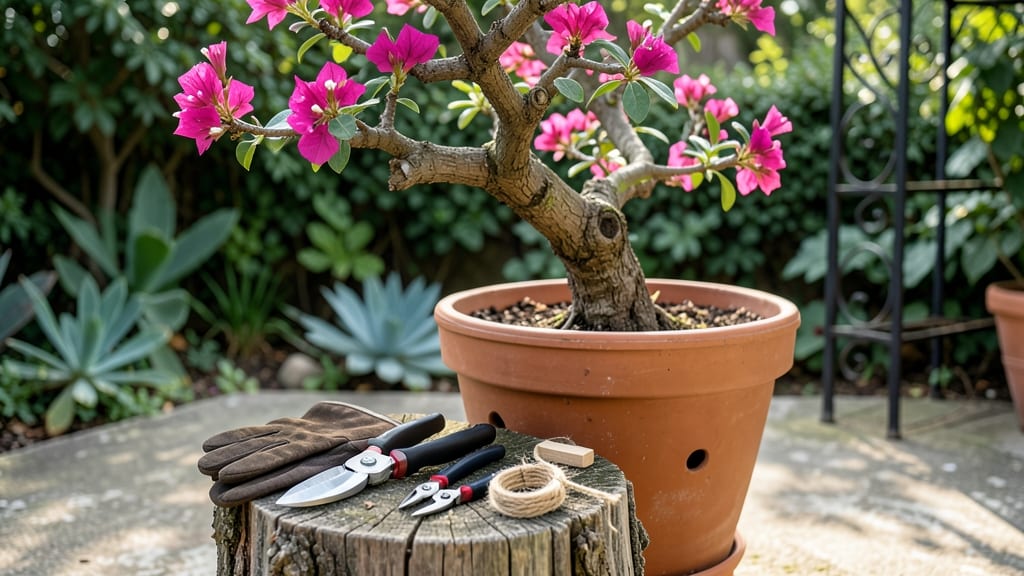
Pruning bougainvillea into a tree isn’t just about snipping branches—it’s about sculpting a sturdy, showstopping focal point that blooms reliably for years. 🌿 I’ve turned tangled vines into elegant, tree-shaped specimens by focusing on three key cuts: selecting a central leader, removing aggressive suckers, and thinning crowded growth.
The secret? Timing matters—spring and early summer are your best windows for shaping without stressing the plant.
You’ll need sharp bypass pruners, a sturdy ladder (for taller plants), and a clear vision of your tree’s future shape. Start by identifying the strongest, straightest cane to become your trunk—this is your bougainvillea’s new backbone.
Every cut should target just above a leaf node (that little bump where leaves and branches meet), as this encourages new growth in the right direction. Patience is key: a tree-shaped bougainvillea takes 2-3 years of gradual pruning to reach its full potential.
The payoff? A bougainvillea that stands tall, blooms abundantly, and resists the floppy, vine-like growth that frustrates so many gardeners. You’ll see fresh, vibrant green growth within weeks of pruning, and those signature papery blooms will cover the branches like confetti.
The structure becomes so strong that even heavy rain won’t weigh it down—something my first bougainvillea struggled with until I learned these techniques.
This method works year-round in warm climates, but if you’re in cooler zones, focus on late winter or early spring before new growth begins. The same principles apply whether you’re shaping a small patio tree or a large landscape specimen.
Here’s how to make those precise cuts without over-thinning or creating weak spots—mistakes that can set your progress back for months.
📚 In This Guide
- What you need
- Instructions
- Tips and common mistakes
- Wrapping up and next steps
What you need
- ● Pruning shears or secateurs: Sharp, bypass-style shears (4-6 inch blades) for clean cuts on smaller stems.
- ● Loppers: 8-12 inch loppers for thicker canes (up to 1.5 inches in diameter). Opt for ratcheting or bypass types for ease.
- ● Pruning saw: A folding pruning saw with a fine-tooth blade for larger branches (1.5+ inches).
- ● Gloves: Heavy-duty, gardening gloves with reinforced palms to protect from thorns and sharp edges.
- ● Disinfectant: 70% isopropyl alcohol or a pruning sealant (like tree wound paint) to prevent disease spread.
- ○ Extension pole: A 3-6 foot telescoping pole with a pruner attachment for high branches (optional but helpful for tall plants).
- ● Marking twine or tape: Colored twine or masking tape to tag canes you plan to keep or remove.
- ● Bucket or bag: A large bucket or mesh bag to collect pruned branches (for compost or disposal).
- ● Safety gear: Safety glasses to shield your eyes from debris.
- ● Hand pruners with a guillotine-style blade for quick cuts on tiny stems.
- ● Rubbing alcohol wipes for sterilizing tools between cuts.
- ● A ladder (if your bougainvillea is over 6 feet tall).
- ● Root stimulator gel to encourage faster regrowth after pruning.
- ● Spray bottle with water to dampen dusty areas before cutting.
- ● Choose a sunny day (avoid pruning in extreme heat or wet conditions).
- ● Ensure your bougainvillea is healthy and well-watered (but not soaking wet).
- ● Have a clear vision of your tree shape—sketch a simple design if needed!
- ● Work during the plant’s active growing season (spring or early summer) for best results.
Step-by-Step instructions for pruning bougainvillea into a tree
Here’s the method I’ve used for years to transform sprawling bougainvillea into a sturdy, tree-like specimen—no special tools needed, just patience and precision.
✂️ Step 1: Identify and Select Your Main Trunk
Start by examining your bougainvillea’s growth pattern. Look for the thickest, most vertical cane—this will be your future trunk. Bougainvillea naturally grows as a vine, so you’ll need to guide it upward by pruning all competing stems at the base. Use sharp pruning shears to cut these side canes cleanly, leaving a small bump where the stem meets the main trunk. This prevents disease and encourages faster healing.
Here’s the thing—bougainvillea doesn’t have a natural trunk, so you’ll need to create one. Choose a cane that’s at least ½ inch thick and stands upright. If none exist, you may need to train a younger, straighter cane by tying it to a stake for a few months before pruning. The goal is to mimic a tree’s single-stem structure, which gives your plant stability and a polished look.
✂️ Step 2: Prune Lower Branches for a Clean Trunk
Once your main trunk is established, remove all branches growing below 2-3 feet from the ground. These lower branches will compete for energy and create a messy, bushy base instead of a defined trunk. Cut just above a leaf node or lateral bud to encourage new growth in the direction you want. If you leave stubs, they’ll eventually die back and look unsightly.
Real talk: This step is where most people mess up by leaving too many lower branches. A tree-shaped bougainvillea should have a clear, unobstructed trunk for at least 3 feet before the first major branch. Use a small marker to outline your desired trunk height before cutting—it’s easier to visualize the final shape this way.
☀️ Step 3: Train the Trunk and Shape the Canopy
Now, focus on the upper portion of your bougainvillea. Prune back any lateral branches that grow too close together or overlap, thinning them out to create an open, airy canopy. Aim for a natural, layered look—think of it like a tree with a wide-spreading crown. For each branch you keep, cut back by ⅓ of its length to encourage bushier growth. This step is all about balance: too many branches make the plant look crowded, while too few leave it sparse.
Here’s what I do: I step back every few cuts to assess the shape. Bougainvillea flowers grow on new wood, so pruning stimulates vibrant blooms. If you’re pruning in late winter or early spring, you’ll see new growth and flowers within 6-8 weeks. Avoid heavy pruning in fall—this encourages tender new growth that won’t survive winter frosts.
⏰ Step 4: Maintain Year-Round with Strategic Trimming
Bougainvillea grows year-round in warm climates, so regular maintenance is key. Every 4-6 weeks, remove any suckers (shoots growing from the base) and spent flowers to redirect energy to your main trunk and canopy. In summer, trim back any leggy growth by ⅓ to ½ to keep the plant compact and encourage denser foliage. Always prune just above a leaf node or bud—this ensures new growth will sprout in the right direction.
Don’t skip this: If you live in a colder climate, prune lightly in late winter before new growth begins. Bougainvillea is sensitive to frost, so avoid heavy cuts that expose tender wood. In warmer areas, you can prune more aggressively year-round, but always follow the ⅓ rule—never remove more than ⅓ of the plant’s total growth in one session.
🌿 Step 5: Fertilize and Water for Stronger Canes
After pruning, give your bougainvillea a boost with a balanced, slow-release fertilizer (like 10-10-10) to support new growth. Water deeply once a week in the first month post-pruning to help the plant recover. Bougainvillea is drought-tolerant once established, but new growth needs consistent moisture. You’ll know you’re on the right track when you see fresh, vibrant leaves emerging from the pruned areas within 2-3 weeks.
Here’s the secret: Mulch around the base with 2-3 inches of organic mulch (like bark or straw) to retain moisture and protect roots. Avoid piling mulch against the trunk—keep it 2 inches away to prevent rot. Over time, your bougainvillea will develop a thicker trunk and a fuller canopy, making it the standout centerpiece of your garden.
Tips & tricks for pruning bougainvillea into a tree
Transforming bougainvillea into a tree-like shape takes more than just pruning—it's about understanding growth patterns and working with the plant's natural tendencies.
Tool Selection: While sharp pruning shears are essential, I recommend adding a small hand pruner for those tight spaces between branches. Sterilize your tools with rubbing alcohol between cuts to prevent spreading disease. This is especially important when working with multiple canes, as bougainvillea is susceptible to fungal infections through open wounds.
Trunk Training Technique: For Step 1, if your bougainvillea lacks a suitable cane, create one by selecting a younger, straighter shoot and tying it to a sturdy stake. Use soft plant ties that won't damage the cane as it thickens over 3-4 months. This method mimics natural trunk formation while giving you control over the final shape. The key is patience—rushing this process can lead to weak, brittle canes that won't support the plant's weight.
Canopy Layering Strategy: In Step 3, when shaping your canopy, aim for a natural tiered effect by positioning branches at different heights. Start with your main branches at about 3-4 feet from the ground, then add secondary branches spaced 12-18 inches apart. This creates visual interest while maintaining airflow through the plant. I like to think of it as building a tree from the bottom up—each layer should be slightly smaller than the one below it.
Seasonal Pruning Wisdom: The timing mentioned in Step 4 is crucial, but here's the deeper insight: bougainvillea responds best to pruning when it's actively growing. In warmer climates, you can prune year-round, but always after a flowering cycle. In cooler regions, wait until after the last frost date before doing any significant pruning. The plant's natural growth rhythm determines how quickly it will recover and produce new blooms.
Pro Tips for Prune Bougainvillea Into A Tree
- Transforming bougainvillea into a tree-like shape takes more than just pruning—it's about understanding growth patter...
- Tool Selection: While sharp pruning shears are essential, I recommend adding a small hand pruner for those tight spac...
- Trunk Training Technique: For Step 1, if your bougainvillea lacks a suitable cane, create one by selecting a younger,...
Frequently asked questions
about transforming your bougainvillea into a tree—because even pros need a little guidance! Here are answers to the most common queries to keep your pruning game sharp.When is the best time to prune bougainvillea into a tree?
The ideal time is late winter or early spring, just before new growth begins. This gives your plant time to recover before summer heat. However, light pruning can be done year-round to shape it gradually—just avoid heavy cuts during extreme heat or frost.
How do I encourage thicker canes instead of long, thin branches?
To promote thicker canes, prune back to a joint or leaf node (about 1/3 of the stem) and avoid cutting too close to the base. This stimulates branching. Also, avoid over-fertilizing with nitrogen, as it encourages leafy growth over sturdy canes.
What should I do if my bougainvillea isn’t blooming after pruning?
Bougainvilleas bloom on new wood, so if you’re not seeing flowers, you may have pruned too late in the season. Try light pruning in early spring to encourage fresh growth. Also, ensure it gets 6+ hours of sunlight daily and well-draining soil—blooms thrive with stress (like slight drought)!
Can I prune bougainvillea into a tree in containers?
Container-grown bougainvilleas follow the same pruning rules, but size matters. Use smaller pots (15–20 gallons) for dwarf varieties or prune aggressively to control height. Just ensure the container has drainage holes—root rot is a common issue in pots.
What if I accidentally prune too much? Can I fix it?
Don’t panic! If you’ve over-pruned, stop cutting and focus on care: water deeply but let the soil dry slightly between waterings, and fertilize lightly with a balanced 10-10-10 formula. New growth should sprout within weeks. For severe cases, consider root pruning (gently loosening roots) to encourage recovery.
Wrapping up and next steps
Transforming your bougainvillea into a stunning tree shape is totally within reach—just follow these steps with patience and care! 🌿 With the right tools, timing, and technique, you’ll soon enjoy a showstopping focal point in your garden.
The key is consistency: prune regularly, watch for new growth, and don’t hesitate to get creative with your cuts.
Now that you’re armed with the know-how, go ahead and give it a try! Start small if you’re new to pruning, and soon, your bougainvillea will reward you with lush, structured beauty. Pro tip: Snap a photo of your progress—you’ll love seeing how far you’ve come! 📸✨