
How To
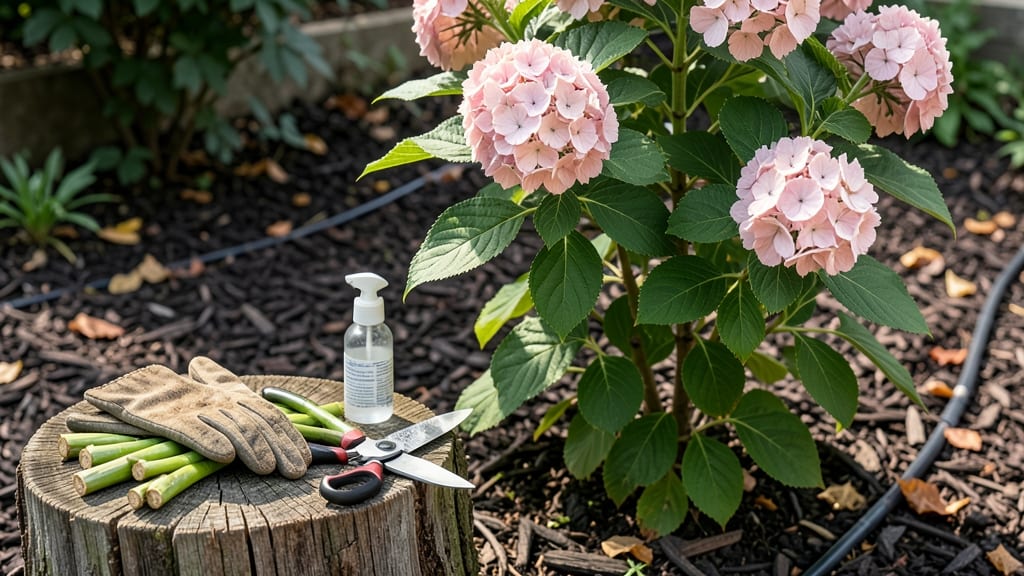
Late-winter pruning transforms your Rose of Sharon into a bloom machine—but timing and technique make all the difference. ✂️ I’ve watched these plants go from leggy and sparse to covered in fragrant summer blooms just by following three simple rules: cut back hard, shape like a vase, and never fear the shears.
The secret? Pruning when the plant is dormant but before new growth starts.
You’ll need just three tools: sharp pruners, rubbing alcohol (to sterilize cuts), and a ladder if your plant is tall. The goal is to remove dead wood first, then thin out crowded branches to improve airflow—this keeps diseases at bay and encourages stronger, more vibrant blooms.
Aftercare is easy: water deeply once, then let the plant focus on new growth rather than recovery.
📚 In This Guide
- What you need
- Instructions
- Tips and common mistakes
- Wrapping up and next steps
What you need
- ● Pruning shears: Bypass pruners (sharp, 5–7-inch blades) for clean cuts on small stems. Loppers (for thicker branches, 8–12-inch handles) if your Rose of Sharon is mature.
- ● Hand pruners: Anvil-style (for tougher cuts) as a backup, but bypass is preferred for precision.
- ● Rubbing alcohol (70% isopropyl): 1 small bottle (4 oz) to sterilize tools between cuts and prevent disease spread.
- ○ Pruning sealant: Optional but helpful for large cuts (½-inch diameter or wider) to protect the plant. Choose a latex-based or wound dressing designed for woody plants.
- ● Garden gloves: Heavy-duty, cut-resistant (e.g., leather or reinforced fabric) to protect hands from thorns and debris.
- ● Disposable pruning bags: 1–2 large bags (10+ gallons) to collect trimmings and keep your workspace tidy.
- ● Ladder or step stool: Sturdy and tall enough to reach the highest branches safely (6+ feet for mature bushes).
- ● Ideal timing: Late winter (just before bud break), when the plant is dormant (typically February–March in most U.S. zones 5–9). Avoid pruning after new growth starts!
- ● Weather conditions: Choose a dry, calm day (no rain forecast for 24–48 hours).
- ● Work when temperatures are above 40°F (4°C) to prevent stress on the plant.
- ● Inspect your tools: Sharpen blades before pruning to avoid crushing stems (use a file or sharpening stone if needed).
- ● Gather a bucket of water: For rinsing tools mid-prune if sap or debris builds up.
- ● Wear long sleeves/pants: Rose of Sharon thorns are sharp—cover up to avoid scratches!
Step-by-step instructions for pruning Rose of Sharon
This is the exact method I use every late winter to rejuvenate my bushes—it’s simpler than it looks, and the results are stunning.
✂️ Step 1: Gather Your Tools and Wait for the Right Time
Prune your Rose of Sharon in late winter, just as new growth begins but before buds swell. This timing ensures you don’t accidentally cut off next year’s flowers. I use clean, sharp pruning shears—dull blades tear stems and invite disease. Disinfect them with rubbing alcohol between cuts to prevent spreading any potential infections from old growth.
Look for dormant buds along the stems; these are your guides. If you see any green shoots starting, wait a few more days. Cold weather makes the plant less stressed, so pruning in 30-50°F temperatures gives it the best chance to bounce back quickly.
✂️ Step 2: Remove Dead, Diseased, or Weak Wood First
Start by scanning the bush for dead branches—they’ll be dry, brittle, and snap easily when bent. Cut these out completely at the base. Next, look for diseased or damaged stems (mushy, discolored, or oozing sap) and remove them too. These branches won’t recover, and keeping them slows down the whole plant.
I also trim back any thin, spindly growth that hasn’t thickened. These won’t produce strong blooms and take energy away from healthier stems. Make your cuts at a 45-degree angle, about ¼ inch above an outward-facing bud—this encourages new growth to angle outward for a fuller bush.
✂️ Step 3: Thin Out Crowded Branches for Better Airflow
Rose of Sharon blooms on new wood, so you can cut back older stems without worry. Focus on thinning out crowded branches—aim for an open center where air can circulate. Remove one-third of the oldest stems at the base to encourage younger, more vigorous growth. This step is key for preventing fungal issues like black spot.
Watch for crossing or rubbing branches—these create wounds where disease can enter. Cut the weaker of the two branches back to a healthy bud. If you’re unsure which to keep, remember: stronger stems have thicker bases and fewer knots. After thinning, step back and admire your bush’s new shape—it should look balanced and ready for spring.
✂️ Step 4: Shape the Bush and Encourage Fullness
Now’s the time to shape the bush into your preferred form—whether that’s a rounded mound or a more natural, loose habit. Cut back the remaining stems to just above a strong bud, leaving 2-3 buds per stem for a compact look. Avoid leaving stubs; always cut at a bud to promote clean, healthy regrowth.
For a bushier appearance, I like to shorten the longest stems slightly more than the others. This prevents leggy growth and ensures blooms appear evenly throughout the plant. After pruning, rake up and dispose of all clippings—don’t compost them if disease was present.
💧 Step 5: Post-Pruning Care for a Strong Recovery
Water the bush deeply right after pruning to help it recover. The roots will need moisture to support new growth, especially if the weather turns dry. Apply a 2-3 inch layer of mulch around the base (but not touching the trunk) to retain moisture and regulate soil temperature. I use shredded bark mulch because it breaks down slowly and improves soil structure over time.
Hold off on fertilizing until new growth appears—usually in 4-6 weeks. Pruning stresses the plant, and feeding too soon can encourage weak, tender shoots. Instead, let it focus on healing and pushing out fresh stems. Keep an eye out for pale green leaves or wilting in the weeks after pruning; these are signs of stress, but the bush should perk up as temperatures warm.
Tips & tricks for perfect Rose of Sharon pruning
These simple tricks will help you transform your Rose of Sharon into a blooming powerhouse—without the guesswork.
Timing is Everything: That 30-50°F temperature window is your sweet spot for pruning. If you're unsure whether it's too cold, check for those dormant buds—when they're still tight but the stems are firm, you're golden. I've learned the hard way that pruning too early (when buds are still swollen) can mean cutting off next year's flowers. Wait until you see just a hint of green at the base of the stems, but before any leaves unfurl.
Tool Prep Matters: Never skip disinfecting your pruning shears between cuts—especially if you're working with diseased branches. I keep rubbing alcohol in a small spray bottle right by my work area. A quick spray between each cut prevents spreading any potential infections from old growth to healthy parts of the plant. And remember, sharp tools make clean cuts—dull blades tear stems, creating wounds that invite disease. If your shears feel like they're struggling, take 2 minutes to sharpen them before you start.
Shape with Purpose: When shaping your bush in Step 4, think about how sunlight reaches the center. I like to create a slightly rounded shape that lets light penetrate all the way to the middle—this prevents the classic "bare center" problem. For a bushier look, focus on keeping 2-3 buds per stem after your cuts. This balance ensures you'll have plenty of blooms without overcrowding. And here's a pro move: always cut at a 45-degree angle just above an outward-facing bud—this encourages new growth to spread outward, creating a fuller, more balanced bush.
Post-Pruning Care: That 2-3 inch layer of mulch isn't just decoration—it's insurance against temperature swings and moisture loss. I use shredded bark because it breaks down slowly, improving soil structure over time. After mulching, give your plant a deep watering right to the roots. This helps the plant recover from the stress of pruning and sets it up for strong new growth. And remember, patience is key—wait those 4-6 weeks before fertilizing. The plant needs time to heal and establish new roots before it can handle extra nutrients.
Pro Tips for Prune Rose Of Sharon
- These simple tricks will help you transform your Rose of Sharon into a blooming powerhouse—without the guesswork.
- Timing is Everything: That 30-50°F temperature window is your sweet spot for pruning. If you're unsure whether it's t...
- Tool Prep Matters: Never skip disinfecting your pruning shears between cuts—especially if you're working with disease...
Frequently asked questions
Got questions about pruning your Rose of Sharon? You’re not alone! Here are answers to the most common concerns—so you can confidently shape your shrub for stunning blooms next season.
When is the best time to prune Rose of Sharon?
The ideal window is late winter (just before new growth starts) or early spring. Avoid pruning in fall—it can stimulate tender growth that won’t survive winter. If you missed the late-winter timing, prune in early spring before buds swell. Pro tip: Wait until temps consistently stay above freezing (30°F/–1°C) to prevent frost damage.
How much can I cut back my Rose of Sharon?
You can be bold! Cut back one-third to half of the shrub’s height, focusing on old, woody stems. For rejuvenation, trim all stems to 12–18 inches tall—this encourages dense, bushier growth. Just avoid over-pruning; leave some structure to support next year’s blooms. Warning: Never remove more than 50% in one season.
What if I prune at the wrong time?
Pruning too early (winter) or too late (summer/fall) can stress the plant. If you prune in summer, you’ll sacrifice blooms for that season. Fall pruning may lead to weak growth or winter dieback. Fix it: If you’ve already pruned out of season, focus on light shaping in spring and prioritize removing dead/diseased wood.
Will pruning affect next year’s flowers?
Not if done right! Rose of Sharon blooms on new wood, so pruning in late winter/early spring boosts next year’s flowers by removing crowded, weak stems. Key: Prune just after the first hard frost (when the plant is dormant) to maximize bloom potential. Think of it as a reset button for bigger, healthier blooms!
Can I prune Rose of Sharon for hedges or topiary shapes?
This shrub is highly adaptable to shaping. For hedges, prune twice a year: once in late winter (for structure) and again in summer (to maintain shape). For topiary, use hand pruners or shears to trim evenly, and fertilize lightly after pruning. Tip: Use a string guide for clean lines and prune little by little to avoid stressing the plant.
Wrapping up and next steps
Pruning your Rose of Sharon in late winter isn’t just about tidying up—it’s your secret weapon for stunning blooms all season long! 🌸 By following these steps, you’ll encourage healthier growth, prevent disease, and set the stage for next year’s vibrant display.
Now that you’re armed with the right tools and techniques, there’s no better time to roll up your sleeves and give your shrub the care it deserves.
Ready to see the difference? Grab your pruners and start today—your future blooms will thank you! For extra inspiration, check out before-and-after pruning galleries or join gardening forums to share your progress. Happy pruning! ✂️🌿