
Pruning
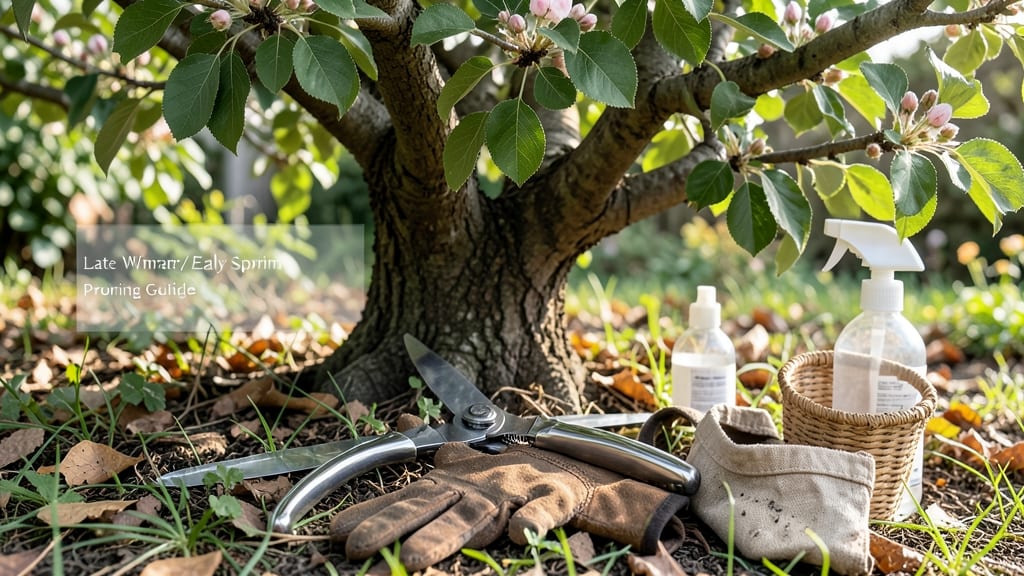
Pruning your 🍎 apple tree in Ohio at the right time is the difference between a thriving orchard and a tree fighting off disease all season.
Ohio’s humid summers and unpredictable winters make timing your apple tree pruning critical—do it wrong, and you risk inviting disease or stunting growth. But get it right, and you’ll maximize fruit production while keeping your tree healthy for years.
Most gardeners in USDA Zone 6a wait until late winter or early spring, when the tree is dormant but before buds swell. This is the sweet spot for removing dead wood and shaping the tree without stressing it.
Below, I’ll walk you through the exact months to prune in Ohio, how to spot the best signs for timing, and what to avoid to keep your tree strong and productive.
Ohio’s ideal pruning windows: month-by-month breakdown for apple trees
Timing your apple tree pruning in Ohio isn’t just about following a calendar—it’s about working with your tree’s natural cycles and Ohio’s unpredictable climate. In USDA zones 6-7, the dormant season (late winter) offers the safest window, but summer pruning can also be strategic if done correctly.
The key is avoiding wet conditions that invite fungal diseases like apple scab, which thrives in Ohio’s humid summers.
Ohio’s last frost date (around April 15) marks a critical transition point. Pruning too early risks exposing fresh cuts to late frosts, while waiting too long may stress the tree during active growth.
Below, I’ve broken down the optimal pruning months and what to prioritize in each, tailored to Ohio’s microclimates and disease risks.
| Month | Pruning Window | Tree Status | Disease Risk | Priority Tasks |
|---|---|---|---|---|
| February | Late February (after hard frosts) | Dormant | Low (dry winter) | Remove dead/diseased wood; shape scaffold branches |
| March | Ideal (before buds swell) | Dormant to early bud swell | Moderate (watch for rain) | Thin out crossing branches; open canopy for airflow |
| April | Early April (before leaf-out) | Active growth begins | High (spring rains) | Minimal pruning; focus on cleanup |
| May | Late May (after flowering) | Full leaf-out | Very High (fungal spores active) | Avoid pruning; focus on disease monitoring |
| June-July | Summer (only for safety) | Active growth | Extreme (humidity + heat) | Remove only hazardous branches; sterilize tools |
| August | Post-harvest (if needed) | Pre-dormancy | Low (drying conditions) | Remove suckers; light shaping |
In Ohio’s Zone 6-7, February through early March is your golden window for pruning. This aligns with the tree’s dormant phase, when it’s less vulnerable to stress and diseases like apple scab are inactive.
I recommend starting in late February once the ground is thawed but before buds begin to swell—typically by mid-February in southern Ohio and early March in northern regions.
If you miss this window, April pruning can still work, but only if done before leaf-out (around April 1-15). Pruning after leaves emerge stresses the tree and opens wounds during Ohio’s rainy spring, increasing fungal risks.
For young trees (under 5 years), prioritize shaping the central leader and removing water sprouts to encourage a strong structure.
Summer pruning in Ohio is not recommended unless you’re addressing safety hazards (e.g., dead branches threatening power lines). The humid heat of June-July creates the perfect storm for bacterial canker and sooty mold.
If you must prune, do so on a dry, windy day and sterilize your tools with 70% rubbing alcohol or a 10% bleach solution between cuts.
Disease prevention techniques: how to prune without inviting blight or rot
Pruning your apple tree at the wrong time in Ohio’s humid climate can turn your tools into disease spreaders. Fungal spores like apple scab and fire blight thrive when wounds are exposed during wet conditions.
The key? Prune when the tree is dormant but before buds swell—typically late February to early March in most Ohio zones.
Even in ideal timing, dirty tools and rough cuts create entry points for pathogens. I always sterilize my pruners with 70% rubbing alcohol or a 10% bleach solution between cuts.
For larger branches, use a pruning sealant to protect wounds, though many experts now debate its necessity—focus first on clean cuts with sharp tools.
Ohio’s unpredictable spring rains add another challenge. Wet wood stays vulnerable for weeks, so avoid pruning if forecasted rain is in the next 24-48 hours. Even a light drizzle can turn a fresh cut into a bacterial buffet.
I check the National Weather Service for Ohio’s 7-day outlooks before scheduling pruning sessions.
Ohio-Specific Pruning Risks
Never prune during Ohio’s rainy spring (April-May). The high humidity in zones 6a-7 creates perfect conditions for fire blight and powdery mildew. Even dormant-season pruning carries risk if temperatures hover above 40°F—wait until buds remain closed but branches are firm.
Your pruning technique matters just as much as timing. Always make cuts just outside the branch collar—the swollen area where the branch meets the trunk. Avoid tearing bark or leaving stubs, which trap moisture and invite rot.
I use bypass pruners for branches under ½ inch thick and a pruning saw for larger cuts, making sure each slice is smooth and angled slightly away from the trunk.
For young apple trees (under 5 years), limit pruning to 25% of the canopy per year. Mature trees can handle up to 30% removal, but never take more than ⅓ of the live wood in a single session.
Thin out crossing branches and water sprouts first—they’re the biggest disease magnets. I prioritize airflow improvement to reduce humidity inside the canopy, which naturally lowers fungal pressure.
After pruning, clean up fallen debris immediately. Rake up all clippings and remove them from the orchard or yard. Leaving branches on the ground creates a breeding ground for pathogens that can reinfect your tree.
In Ohio’s climate, I compost pruned material only if it’s disease-free—otherwise, I bag and discard it. A little extra effort now prevents years of blight struggles.
Finally, monitor your tree for the first 4-6 weeks post-pruning. Watch for oozing sap (a sign of infection) or unusual wilting. If you spot blackened bark or yellowing leaves, act fast with a copper fungicide like Cueva.
Prevention is always easier than cure, especially in Ohio’s fungus-friendly growing season.