
Pruning
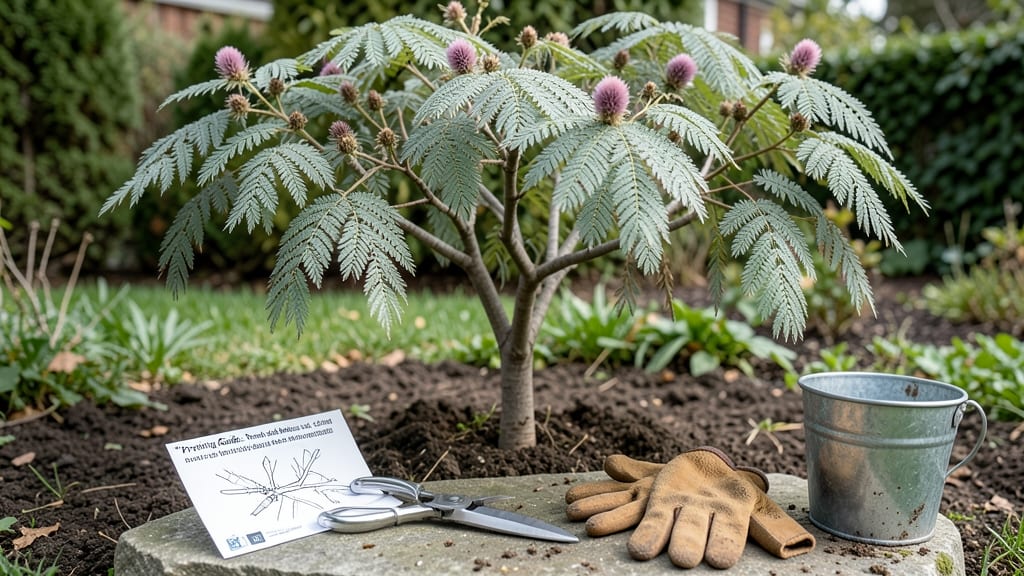
Pruning your mimosa tree in late winter unlocks its best growth and blooms for spring 🌿 — timing matters more than most gardeners realize.
Picture this: You’ve just trimmed your mimosa in summer, only to watch it struggle through the next season. That’s because pruning at the wrong time can weaken the tree, leaving it vulnerable to disease or stunted growth.
The key is cutting back just as new buds begin to swell, usually in February or early March in most climates like USDA Zone 6.
Why does this window work? Mimosa trees store energy in their roots over winter, and pruning too early removes the leaves they’ll need to fuel regrowth. Too late, and you risk encouraging tender new shoots that won’t survive a late frost.
Below, I’ll walk you through the exact steps to prune for a stronger, healthier tree—plus how to spot when your mimosa really needs a trim.
You’ll learn how to read your tree’s signals, avoid common mistakes, and even adjust for regional climate quirks. By the end, your mimosa will be on track for lush foliage and vibrant flowers by summer.
Best late winter timing for pruning mimosa trees (and why it matters)
Pruning your mimosa tree at the right time isn't just about shaping—it's about giving it a head start for the growing season. Late winter is the perfect window because your mimosa is dormant but ready to burst into action once temperatures rise.
This timing ensures you remove dead or weak branches before new growth begins, which maximizes energy for vibrant blooms and stronger structure.
Most gardeners in USDA Zones 6-9 should prune between mid-February and early March, aligning with the tree's natural cycle. This 2-4 week window post-dormancy lets you work before bud break, reducing stress on the tree.
Missing this window risks pruning too early (when the tree is still dormant) or too late (after buds form), both of which can harm growth.
Why late winter? Your mimosa tree enters dormancy in late fall, conserving energy until spring. Pruning during this resting phase removes energy drains like dead wood, allowing the tree to redirect resources to new shoots and flowers once temperatures warm. Think of it like giving your tree a spring cleaning before the busy growing season begins.
If you're in a warmer climate (Zones 10+), adjust your timing slightly. Prune in late January to February when the tree is still dormant but before early bud swell.
In colder regions (Zones 5 or below), wait until after the last frost—typically late March or April—to avoid damaging tender new growth with late frosts.
🌱 Late Winter Pruning Timeline for Mimosa Trees
| Climate Zone | Ideal Pruning Window | Key Cues to Prune | Avoid Pruning If... |
|---|---|---|---|
| Zones 6-9 (Most US Regions) | Mid-February to Early March | Tree is dormant; no buds visible | Bud swell or new growth appears |
| Zones 10+ (Warm Climates) | Late January to February | Dormant but before early bud swell | Temperatures exceed 60°F consistently |
| Zones 5 or Below (Cold Climates) | Late March to April (after last frost) | Tree shows signs of waking up | Frost is still a risk |
💡 Pro Tip: Check for bud swell—if you see tiny buds forming, it's time to stop pruning and let the tree focus on growth.
Pruning in late winter also reduces disease risk. Wet spring conditions can turn open wounds into entry points for fungal infections or pests. By pruning in dry winter air, you let cuts heal faster before the rainy season arrives.
Plus, removing crossing or rubbing branches now prevents future damage and improves airflow, which is critical for mimosa trees prone to powdery mildew.
Timing matters because mimosa trees are fast growers with delicate branches. If you prune too late, you’ll cut off next year’s blooms or force the tree to grow weak, leggy shoots. The goal is to shape the tree while preserving its natural form and encouraging a balanced canopy.
Think of it like trimming a hedge—you want to guide growth, not hack it back randomly.
One common mistake is pruning in fall or early winter. While it might seem logical to tidy up before winter, mimosa trees are still photosynthesizing in fall, and removing branches then can weaken the tree before it’s ready for dormancy.
Always wait until the tree has fully entered dormancy—usually after the first hard frost—to avoid stressing it unnecessarily.
After pruning, your mimosa will respond dramatically in spring. You’ll see faster regrowth, more vibrant flowers, and a stronger structure to support its height. The key is to prune lightly—remove no more than 25-30% of the canopy—to avoid overstressing the tree.
Focus on thinning out crowded branches and removing dead wood first, then shape as needed.
If you’re unsure whether your mimosa is ready, look for these signs of dormancy: leaves are gone, branches feel hard and dry, and there’s no new growth at the tips.
Once you confirm dormancy, grab your pruners and get to work—your mimosa’s spring comeback will thank you! ✂️🌳
Step-by-Step pruning guide: how to cut mimosa trees for health and shape
Pruning your mimosa tree isn’t just about shaping—it’s about revitalizing growth and preventing disease. When done correctly in late winter, you’ll encourage lush spring blooms and a stronger canopy.
But skip the wrong cuts, and you risk weakening the tree or inviting pests. Let’s break it down into clear, actionable steps to ensure your mimosa thrives.
Before grabbing your pruning shears, gather the right tools: bypass pruners for clean cuts, loppers for thicker branches, and a sharp saw for larger limbs. Safety first—wear gloves and eye protection to avoid thorns and debris.
Mimosa trees are sensitive, so sterilize tools with rubbing alcohol to prevent spreading disease between cuts.
Step-by-Step Pruning Guide for Mimosa Trees
- 🌱 Step 1: Remove Dead or Diseased Wood
Start by identifying dead branches (no leaves, dry texture) or those with fungal spots. Cut these back to healthy growth using clean tools. This step prevents pests and diseases from spreading. - 🌿 Step 2: Thin the Canopy
Look for crossing branches or those growing inward. Remove 1/3 of the thickest branches to improve airflow and sunlight penetration. Focus on the outer edges to maintain an open shape. - ✂️ Step 3: Shape for Balance
Use hand pruners to trim overgrown limbs back to a bud or lateral branch. Avoid cutting more than 25% of the foliage in one session to avoid stressing the tree. - 🌳 Step 4: Clean Up the Area
Rake up pruned debris and dispose of it properly. Never leave branches on the ground, as they can harbor pests or fungi. Sterilize tools again after finishing.
One of the biggest mistakes is pruning too late in spring or cutting into old wood (the dark, thick branches). Mimosa trees bloom on new growth, so avoid heavy pruning after April 15 in most climates.
Another pitfall is over-pruning—never remove more than 25% of the canopy at once, or you’ll shock the tree.
After pruning, give your mimosa a deep watering to help it recover. Apply a layer of mulch around the base (but not touching the trunk) to retain moisture and regulate soil temperature. Monitor the tree for new shoots in spring—a sign your pruning was successful!
For young mimosa trees (under 3 years old), focus on removing only dead wood and lightly shaping. Mature trees can handle more aggressive pruning, but always follow the 1/3 rule to avoid stress.
With the right cuts, your mimosa will reward you with vibrant blooms and a healthier structure for years to come.