
Pruning
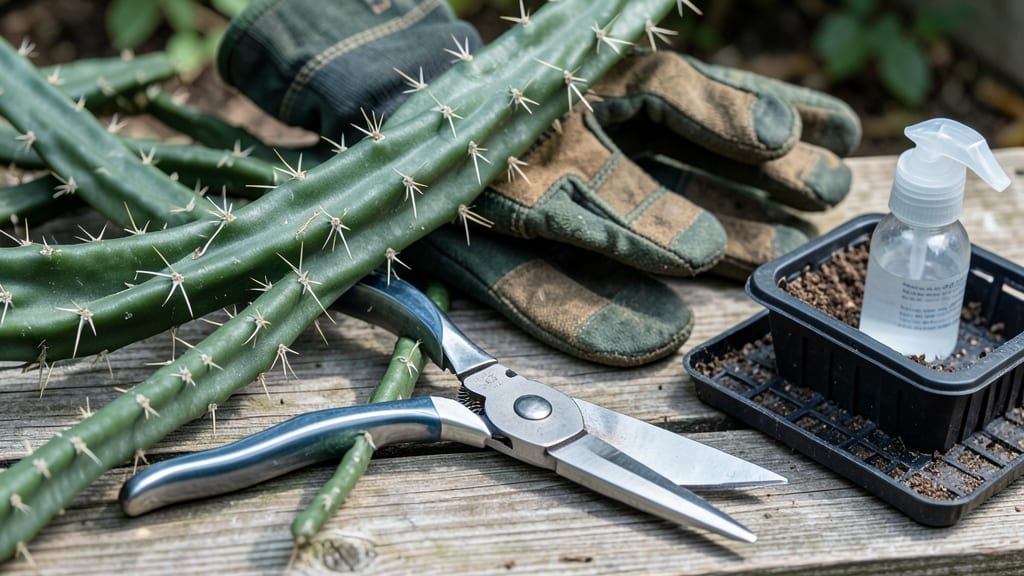
Pruning your night blooming cereus plant isn’t just about trimming—it’s the secret to bigger, more frequent blooms next season. 🌙 I’ve watched my Hylocereus go from sporadic blooms to a monthly spectacle after mastering this one technique, and it’s easier than you think.
The best time to prune is right after flowering, when the stems have finished their energy burst. Grab your clean, sharp pruners and cut just above a leaf node—never at a joint, or you’ll stunt future growth.
Most people over-prune, but you only need to remove 10-20% of the plant’s total stems to encourage thicker, bushier growth. After pruning, give your plant a bright, indirect light spot and hold off on watering for a week.
The cuts will heal faster, and you’ll see new shoots within 4-6 weeks. The key is patience—these plants reward careful cuts with dramatic blooms. This method works for both indoor and outdoor cereus, whether you’re dealing with a single stem or a sprawling collection.
Let’s get those blooms coming back bigger and brighter!
📚 In This Guide
- What you need
- Instructions
- Tips and common mistakes
- Wrapping up and next steps
What you need
- ● Pruning shears: Bypass pruners (sharp, clean, sterilized with rubbing alcohol) – 1 pair (avoid dull tools to prevent crushing stems).
- ● Gloves: Heavy-duty gardening gloves (protects from thorns and sap) – 1 pair (nitrile-coated for grip).
- ● Disinfectant: 70% isopropyl alcohol or hydrogen peroxide (3%) – small bottle (for tool sterilization between cuts).
- ● Rubbing alcohol (70%): – small bottle (for wiping cuts to prevent rot).
- ● Sharpie or permanent marker: – 1 (to label cuttings if propagating).
- ● Newspaper or cardboard: – 1 sheet (to lay under the plant and catch debris).
- ● Watering can or spray bottle: – 1 (for post-pruning hydration).
- ● Rooting hormone: (speeds up propagation if taking cuttings) – small tube.
- ● Cactus/succulent soil mix: (for repotting cuttings) – 1 small bag.
- ● Horticultural sealant: (like Tree Seal or wound dressing) – small amount (to seal larger cuts).
- ● Pruning saw: (for thick, woody stems) – 1 (if your plant is mature).
- ● Camera or phone: – 1 (to document your pruning progress!).
Step-by-step guide to pruning night blooming cereus for maximum blooms
Pruning your night blooming cereus isn't just about cutting back—it's about guiding its energy toward those spectacular nighttime flowers.
✂️ Step 1: Wait for the Right Time to Prune
Timing is everything with night blooming cereus. Prune immediately after the plant finishes blooming in late spring or early summer. This gives the plant time to recover before its next growth cycle. You'll know it's time when the flowers drop completely and new growth slows down.
Never prune during active growth or dormancy—this stresses the plant. If you prune too early, you risk cutting off potential flower buds. If you wait too long, the plant may not have enough time to prepare for next year's blooms.
🌿 Step 2: Identify and Remove Dead or Weak Growth
Examine your plant closely for any stems that are shriveled, brown, or completely devoid of life. These are your first targets. Use clean, sharp pruning shears to make a clean cut just above a healthy node or joint. This prevents disease and encourages new growth from the right spots.
I also remove any stems that are growing in odd directions or look weak. You want to maintain a balanced shape—no single stem should dominate the plant. Think of it like sculpting: you're shaping the plant to direct its energy where you want it to go.
✂️ Step 3: Cut Back Overly Long or Leggy Stems
Night blooming cereus can get leggy if it doesn't get enough light. If you see stems that are stretching too tall or too thin, it's time to trim them back. Cut each stem down to about one-third of its length, but always leave at least 3-4 healthy nodes on each remaining section.
This encourages the plant to branch out and become bushier, which means more potential bloom sites next season. Watch the plant's response—if you cut too much, it may struggle to recover. You'll see new growth emerging from the nodes within a few weeks.
🌱 Step 4: Encourage New Growth with Strategic Cuts
For a more robust plant, focus on cutting back the oldest stems first. These are the ones that have already bloomed and are less likely to produce flowers again. Make your cuts just above a leaf node or joint—this is where new growth will sprout.
Here's the thing—night blooming cereus can produce new stems from old wood, but it's more reliable to encourage growth from the younger sections. After pruning, place the plant in a bright spot with indirect light to help it recover and start growing fresh stems.
⏰ Step 5: Monitor and Adjust for Next Season
After pruning, keep an eye on your plant's recovery. Water it lightly—just enough to keep the soil slightly moist but not soggy. You'll notice new growth emerging from the nodes within 4-6 weeks, signaling that the pruning was successful.
As the plant grows, continue to monitor its shape. If any stems start to look leggy again, give them a light trim to maintain balance. The goal is to create a plant that's strong, healthy, and primed for another stunning display of nighttime blooms next season.
Tips & tricks for perfect night blooming cereus pruning
Here's what nobody tells you about pruning night blooming cereus that'll make all the difference in next year's blooms.
Timing is Everything: The late spring to early summer window after blooming is critical. I've learned this the hard way—pruning too early can cut off next year's flower buds, while waiting too long means the plant won't have enough time to recover before dormancy. Mark your calendar right after those stunning nighttime flowers drop completely.
Clean Cuts Prevent Disease: Always use sterilized pruning shears and make clean cuts just above a healthy node or joint. I've seen too many cases where dirty cuts led to fungal infections. After each cut, wipe your shears with rubbing alcohol to prevent spreading any potential pathogens between cuts.
Strategic Pruning Creates More Blooms: Focus on cutting back the oldest stems first—they've already bloomed and are less likely to produce flowers again. When you reduce stems to one-third their length in Step 3, you're actually creating more potential bloom sites by encouraging branching. Think of it like redirecting the plant's energy toward new growth rather than maintaining old stems.
Light Aftercare Boosts Recovery: After pruning, move your plant to a bright spot with indirect light—this helps it recover faster. I've noticed new growth emerges within 4-6 weeks when placed in optimal lighting conditions. Avoid direct sunlight immediately after pruning, as the fresh cuts are more vulnerable to sunburn.
Pro Tips for Night Blooming Cereus Plant Pruning
- Here's what nobody tells you about pruning night blooming cereus that'll make all the difference in next year's blooms.
- Timing is Everything: The late spring to early summer window after blooming is critical. I've learned this the hard w...
- Clean Cuts Prevent Disease: Always use sterilized pruning shears and make clean cuts just above a healthy node or joi...
Frequently asked questions
Got questions about pruning your night blooming cereus? Here are some common concerns to help you grow a thriving plant with stunning blooms:
When is the best time to prune my night blooming cereus?
The ideal time to prune is right after the blooming season (late spring or early summer). This gives the plant time to recover before its next growth cycle. Avoid pruning in winter or during active blooming—it can stress the plant and reduce flowering potential. Pro tip: Wait until all flowers have faded before cutting!
How much of the plant should I remove during pruning?
Remove about 1/3 of the plant’s height to encourage bushier growth and more blooms. Focus on cutting back leggy or overgrown stems to the nearest node (where leaves or branches emerge). Avoid heavy pruning—this can shock the plant. Pro tip: If your plant is young, light pruning (just the tips) is enough!
Will pruning my night blooming cereus affect its nighttime blooms?
Pruning correctly won’t harm blooms—it actually enhances them! Proper pruning promotes stronger stems and more energy for flower production. However, over-pruning (cutting too much at once) can delay or reduce blooms. Time it right, and you’ll see bigger, healthier flowers next season!
Can I propagate my night blooming cereus from pruned cuttings?
Pruned cuttings root easily if you follow these steps: let them dry for 1-2 days, then plant in well-draining cactus soil. Keep soil slightly moist (not soggy) and place in bright, indirect light. Roots should form in 4-6 weeks. Pro tip: Use a small plastic bag over the cutting to retain humidity while it roots!
My night blooming cereus isn’t blooming after pruning—what’s wrong?
If your plant skips blooms post-pruning, check these common issues:
- Light: Needs 6+ hours of direct sunlight daily.
- Water: Overwatering causes rot; underwatering stresses the plant.
- Age: Young plants (under 3 years) may not bloom yet.
- Fertilizer: Use a low-nitrogen cactus fertilizer in spring/summer.
Give it time—some varieties need 2-3 years to mature and bloom reliably.
Wrapping up and next steps
Pruning your night blooming cereus is all about timing, patience, and precision—and with the right techniques, you’ll reward yourself with stunning, larger blooms year after year! 🌙✨ Remember to prune after flowering, use clean tools, and avoid over-trimming to keep your plant healthy and thriving.
Now that you’re armed with the know-how, take a deep breath and get ready to give your cereus the care it deserves.
Your next step? Observe your plant closely—watch for signs of new growth or buds, and adjust your pruning schedule as needed. Happy gardening, and may your night blooming cereus put on a spectacular show! 🌺💚