
Pruning
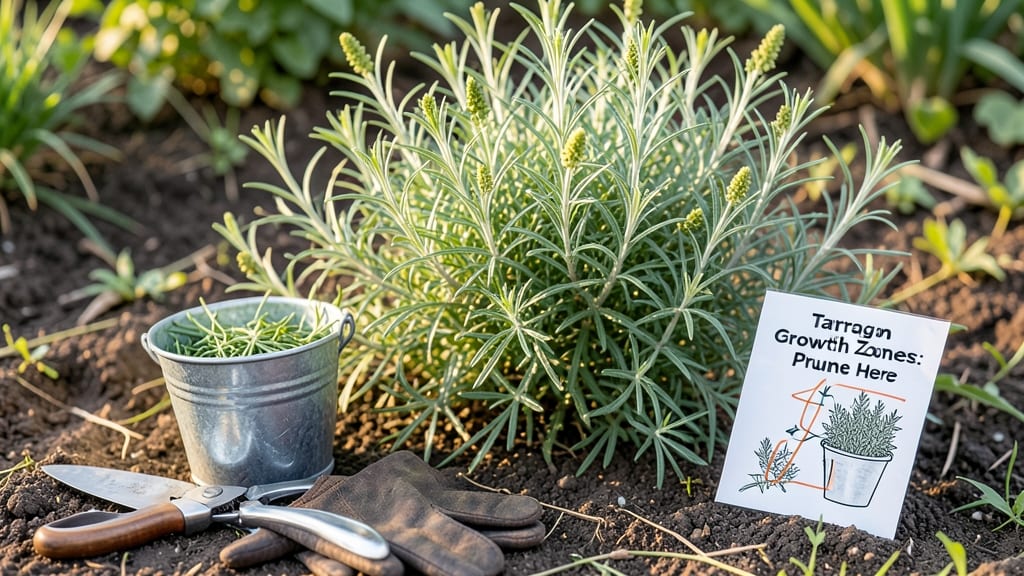
Pruning tarragon transforms it from a scraggly herb into a flavorful, bushy powerhouse—just don’t overdo it. 🌿 I’ve learned the hard way that aggressive cuts turn this perennial into a woody stump, but the right technique keeps it productive for years.
The key is timing: prune in early spring or right after flowering, never in fall when cold sets in. You’ll need sharp pruning shears, a clean cutting surface, and about 10 minutes of focused work.
Cut back one-third of the plant each time, always just above a leaf node where new growth emerges. Avoid woody stems—they won’t regrow, and you’ll lose that signature anise flavor. After pruning, tarragon rebounds with fresh, tender shoots in 2-3 weeks.
The plant stays compact, yields more leaves, and even survives light frosts better. Just avoid heavy pruning in winter unless you’re in Zone 8+, where it’s hardy as a perennial. For cold climates, treat it like an annual or dig up pots before frost.
The secret? Consistency—prune lightly every season, and you’ll have a tarragon bush that rivals store-bought bundles in both taste and abundance.
📚 In This Guide
- What you need
- Instructions
- Tips and common mistakes
- Wrapping up and next steps
What you need
- ● Sharp pruning shears – Bypass pruners (4-6 inches long) for clean cuts without crushing stems.
- ● Garden gloves – Durable, cut-resistant gloves to protect your hands from thorns or rough stems.
- ● Disinfectant (70% isopropyl alcohol or bleach solution) – To sterilize tools and prevent disease spread.
- ○ Compost bin or bag – For disposing of pruned stems (optional but eco-friendly!).
- ● Watering can or hose – To hydrate the plant post-pruning.
- ● Hand pruners (smaller, for precision) – Great for trimming delicate stems or hard-to-reach spots.
- ● Plant food or compost – A light dose of balanced fertilizer (10-10-10) to encourage regrowth.
- ● Plant markers or labels – If you’re pruning multiple herbs in one garden bed.
- ● Sunscreen and hat – Because pruning on a sunny day? Bring the SPF! ☀️
Step-by-Step guide to pruning tarragon for lush, flavorful growth
Here’s the simple routine I use to keep my tarragon thriving year-round—no guesswork, just consistent results.
✂️ Step 1: Prune in Early Spring for New Growth
Start pruning in early spring when new shoots appear, about 3-4 weeks after the last frost. Use clean, sharp pruning shears to cut back one-third of the plant’s height just above a leaf node. This encourages bushier growth and prevents leggy stems.
I always prune on a dry morning so the cuts heal quickly. Look for the small bump where leaves meet the stem—this is your target spot. Avoid cutting into woody stems, as tarragon is a perennial and needs its energy reserves.
☀️ Step 2: Light Summer Trims to Maintain Shape
Throughout summer, give your tarragon a light trim every 4-6 weeks to keep it compact and encourage dense foliage. Pinch off the tips of new growth with your fingers or shears, cutting just above a set of leaves. This prevents the plant from flowering too early, which can reduce flavor.
Watch for yellowing or damaged leaves—remove those immediately to redirect the plant’s energy. I also snip any side shoots growing outward to maintain a tidy, upright shape. Tarragon responds well to frequent light pruning, so don’t hesitate to trim often.
⏰ Step 3: Harvest and Prune for Winter Hardiness
In late summer or early fall, reduce pruning to harvesting-only mode. Cut back 1-2 inches from the top of the plant to stimulate new growth before winter. Avoid heavy pruning now, as tarragon needs its energy to survive cold temperatures.
Harvest leaves as needed, but leave at least half the plant intact to protect the roots. If you’re in a Zone 5 or colder, mulch the base with 2-3 inches of straw or shredded leaves to insulate the roots. Tarragon is hardy but benefits from a little winter protection.
🌱 Step 4: Clean Up in Late Winter for Spring Revival
In late winter, just before new growth begins, do a final cleanup. Remove any dead, brown, or woody stems at the base with pruning shears. This prevents disease and makes room for fresh, vibrant shoots.
I also shake off old mulch and replace it with fresh if needed. Tarragon is forgiving, but a little TLC in late winter sets it up for stronger, more flavorful growth come spring. Avoid pruning too early—wait until you see green shoots emerging from the base.
Tips & tricks for perfect tarragon pruning
Here's what nobody tells you about keeping your tarragon lush and flavorful—these tricks have saved my plants from leggy, flavorless disasters.
Timing is Everything: That 3-4 week window after the last frost in Step 1 is crucial. If you prune too early, you risk damaging tender new shoots. I've learned this the hard way after accidentally pruning in late winter when frost was still possible. Wait until you see those first bright green shoots—about the size of your pinky nail—before cutting anything. This ensures your plant has the energy reserves to bounce back.
Tool Selection Matters: Don't grab any old scissors for this job! Use clean, sharp pruning shears designed for herbs and vegetables. Dull blades crush stems, which can introduce disease. I keep a dedicated pair of shears just for my tarragon and clean them with rubbing alcohol between uses. For the light summer trims in Step 2, your fingers work perfectly for pinching—just make sure your nails are clean to avoid transferring pathogens.
Seasonal Adjustments: In Step 3, when you're cutting back just 1-2 inches for winter hardiness, remember that tarragon is a delicate perennial. The key is balance—you want to stimulate new growth without stressing the plant. If you're in a colder zone (like Zone 5), that 2-3 inch mulch layer is non-negotiable. I've seen tarragon survive winters with just 1 inch of mulch, but the flavor and growth are noticeably better with the full 2-3 inches.
Visual Cues for Perfect Cuts: When you're making those cuts just above leaf nodes in Step 1, look for the small bump where leaves meet the stem—this is your target spot. It should look like a tiny knuckle. Cutting here encourages new growth from that exact point. I always make a mental note to cut at a 45-degree angle to increase surface area for faster healing. For the summer trims, aim to remove no more than one-third of the plant's height total throughout the season to maintain that bushy shape.
Pro Tips for Prune Tarragon
- Here's what nobody tells you about keeping your tarragon lush and flavorful—these tricks have saved my plants from le...
- Timing is Everything: That 3-4 week window after the last frost in Step 1 is crucial. If you prune too early, you ris...
- Tool Selection Matters: Don't grab any old scissors for this job! Use clean, sharp pruning shears designed for herbs ...
Frequently asked questions
Got questions about pruning tarragon? You’re not alone! Here are some of the most common concerns—plus quick, expert answers to keep your herb thriving.
When is the best time to prune tarragon?
Prune tarragon after it flowers in early summer (June–July) to encourage bushier growth. For container plants, you can also do light trims in spring or fall—but avoid heavy cuts then. If you’re harvesting leaves regularly, pinch back tips throughout the growing season (spring to early fall) to shape and stimulate new growth.
Can I prune tarragon in winter?
Tarragon is hardy, but avoid pruning in winter (December–February) unless you’re in a mild climate (Zone 8+). Cold snaps can stress the plant, and winter pruning may signal it to go dormant. Wait until spring (March–April) for any major trims. If your tarragon is potted, move it indoors in freezing temps to protect it!
What if my tarragon looks leggy or sparse after pruning?
Leggy tarragon often means it’s not getting enough light or nutrients. After pruning, place it in full sun (6+ hours/day) and fertilize lightly with a balanced, water-soluble fertilizer (half-strength). If it’s potted, repot into fresh soil and ensure good drainage. Over-pruning can also weaken stems—stick to trimming no more than 1/3 of the plant at once.
Can I propagate tarragon from cuttings after pruning?
Use your pruned cuttings to grow new plants. Dip 4–6 inch stems in rooting hormone (optional) and place them in moist potting mix or water. Keep them in bright, indirect light and mist occasionally. Roots should form in 3–6 weeks. Tarragon spreads easily this way—perfect for sharing with friends or expanding your herb garden!
What do I do if my tarragon turns yellow or dies after pruning?
Yellowing leaves after pruning usually mean overwatering, root rot, or stress. Let the soil dry slightly between waterings (tarragon prefers moderate moisture, not soggy soil). If the stems feel mushy, trim away affected parts and repot in fresh, well-draining soil. Avoid pruning again until new growth appears. If the whole plant wilts, it may need more sun or a cooler spot.
Still stumped? Drop your tarragon troubles in the comments—we’ve got you covered!
Wrapping up and next steps
Pruning tarragon isn’t just about keeping your plant tidy—it’s a game-changer for flavor and growth! 🌿 With the right timing, tools, and techniques, you’ll enjoy bushier, more aromatic stems all season long. Whether you’re a seasoned gardener or just starting, these tricks make the process simple and rewarding.
Now that you’re armed with the know-how, grab those shears and get pruning! 🌱 For extra inspiration, check out our guide on harvesting tarragon like a pro—because the best part? Fresh herbs straight from your garden to your plate. Happy gardening!