
Pruning
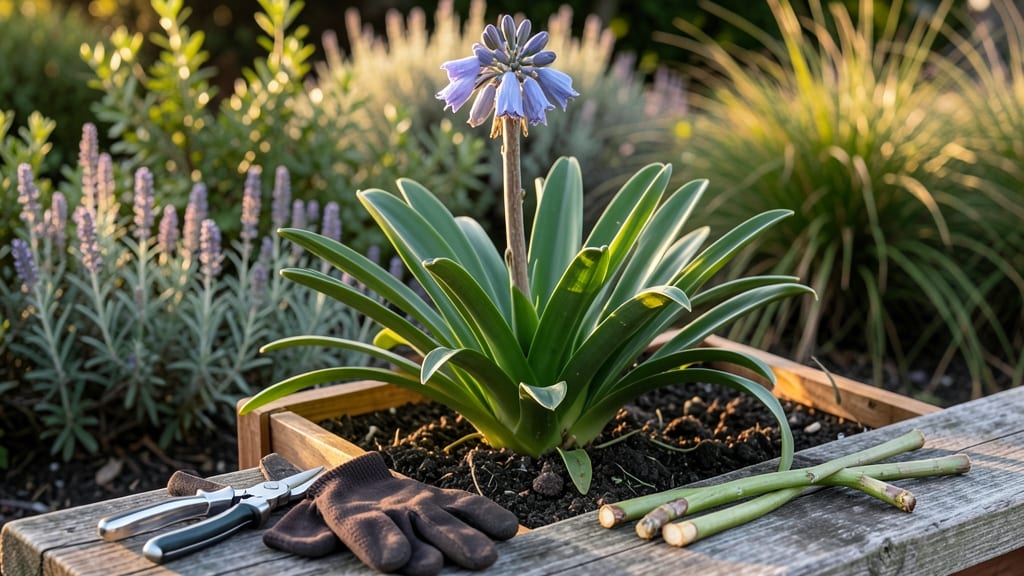
Pruning agapanthus plants isn't just about tidying up—it's the secret to year-round vibrant growth that makes your garden the envy of the neighborhood. 🌿 I learned this the hard way after letting mine get leggy and sparse, but now I prune like a pro to keep those bold blue spikes popping up reliably every season.
The best time to prune is right after flowering, when the stems turn brown and crispy. Grab your sharp pruners and cut back the old flower stalks to the base—this encourages fresh, bushier growth from the center.
For a more dramatic shape, you can also trim back the outer leaves by about a third in early spring, but never cut into the woody base. Agapanthus plants are tough, but they won’t forgive harsh cuts.
What you’ll end up with is a thriving, compact plant that blooms bigger and more often than ever before. The foliage stays lush and upright, and you’ll notice fewer pests or diseases creeping in because the plant isn’t overcrowded.
Plus, the new growth comes in a stunning deep green, making your garden look polished all year long.
This method works for agapanthus in zones 7-11, whether you’re growing them in the ground or in containers. Just remember: prune after flowering, never in winter, and always use clean, sharp tools. Your agapanthus will thank you with bold, showstopping blooms that keep coming back stronger each year.
📚 In This Guide
- What you need
- Instructions
- Tips and common mistakes
- Wrapping up and next steps
What you need
- ● Pruning shears – Bypass pruners (sharp, clean blades, 5–7 inches) for clean cuts. Bypass is ideal to avoid crushing stems.
- ● Garden gloves – Heavy-duty, cut-resistant (e.g., leather or synthetic blend) to protect hands from thorns and sap.
- ● Disinfectant – Rubbing alcohol (70%+) or hydrogen peroxide (3%) to sterilize tools between cuts (prevents disease spread).
- ● Pruning saw – Curved blade (for thick stems >1 inch in diameter).
- ○ Garden twine or plant ties – Jute or nylon (optional, for supporting heavy post-prune foliage).
- ● Compost bin or bag – For disposing of pruned debris (avoid composting if plants show signs of disease).
- ● Hand lens or magnifying glass – To spot pests or fungal signs on stems.
- ○ Pruning sealant – Tree wound paint (optional; only needed for large cuts >2 inches to prevent rot).
- ● Watering can with hose attachment – For post-prune hydration (especially in hot climates).
- ● Label markers – If pruning multiple agapanthus varieties (to avoid mix-ups!).
- ● Weather check – Prune on a dry, overcast day (or early morning) to reduce stress on plants.
- ● Safety first – Wear closed-toe shoes and avoid pruning near power lines.
- ● Know your plant’s cycle – Time pruning based on your climate (e.g., late winter/early spring for dormant cuts, after flowering for deadheading).
How to prune agapanthus for long-stemmed blooms
Here’s my go-to method for keeping your agapanthus lush and flowering year after year—no guesswork, just sharp cuts.
✂️ Step 1: Time Your Pruning for Peak Growth
Prune agapanthus in late winter or early spring, just as new shoots emerge but before active growth. This timing ensures you remove dead foliage without cutting back next season’s blooms. I like to wait until mid-February in my zone 8 climate—check for the first hint of green growth at the base.
If you missed the window, don’t panic. You can also prune in early fall after blooms fade, but avoid cutting back more than one-third of the plant at once. The key is to never prune when flowers are in bud—you’ll sacrifice next year’s stems.
✂️ Step 2: Remove Dead and Yellowed Foliage
Start by stripping away all brown, crispy, or yellow leaves at the base. Use clean, sharp pruners to cut stems 1-2 inches above the soil line—this prevents water from pooling and rotting the crown. Agapanthus leaves can look ragged, but don’t trim healthy green growth; it stores energy for next season’s blooms.
I also remove any leggy, bare stems that haven’t produced flowers in years. These sap suckers drain energy from the plant. If you’re unsure, snap the stem—if it’s hollow inside, it’s time to cut it back.
✂️ Step 3: Shape for Airflow and Light Penetration
Thin out overcrowded stems to improve airflow and reduce disease risk. Aim to leave 3-5 of the strongest, healthiest stems per plant—this encourages larger, showier blooms. Cut stems at a 45-degree angle just above a leaf node or side branch to promote new growth.
If your agapanthus is clumping, divide it now while dormant. Dig up the entire plant, separate the rhizomes, and replant the strongest sections. This rejuvenates mature plants and prevents flower stalks from becoming too sparse.
🌱 Step 4: Post-Pruning Care for Strong Recovery
After pruning, water deeply to help the plant recover. Agapanthus is drought-tolerant once established, but fresh cuts need moisture to heal. I add a 2-inch layer of mulch around the base to retain soil moisture and suppress weeds—stick to 1-2 inches away from the crown to avoid rot.
Fertilize lightly in early spring with a balanced 10-10-10 formula. Too much nitrogen now will produce lush foliage at the expense of blooms. Wait until you see new shoots before applying fertilizer—this ensures the plant uses nutrients for growth, not just recovery.
☀️ Step 5: Monitor for New Growth and Adjust
Within 2-3 weeks, you should see fresh green shoots emerging from the center. If growth is slow, check for too much shade—agapanthus thrives in full sun but tolerates partial shade. Move pots or trim nearby trees if needed to ensure 6+ hours of direct sunlight daily.
Watch for new flower buds forming in late spring. These will appear as small, tight clusters at the stem tips. Avoid disturbing the area around the buds—this is when your pruning pays off with long, sturdy stems and abundant blooms.
Tips & tricks for perfect agapanthus pruning
These sharp cuts will transform your agapanthus into a blooming powerhouse—here's how to avoid common pruning pitfalls.
Timing is Everything: The late winter/early spring window is critical because you're targeting dormant growth. If you prune too early, you risk cutting back next year's flower buds that are already forming. I always check for the first hint of green growth—this is your cue that the plant is waking up but hasn't yet committed to new stems. In colder zones, wait until after the last frost date to be safe.
Tool Precision: Never use dull pruners—they crush stems instead of making clean cuts. I invest in bypass pruners with sharp blades and clean them with rubbing alcohol between cuts to prevent disease spread. For thick stems, use loppers but make sure they're sharp too. The cleaner the cut, the faster the plant recovers and the less chance of infection.
Visual Cues for Healthy Stems: When thinning stems in Step 3, look for these signs of strong growth: vibrant green color, firm texture when squeezed, and a solid center when you snap the stem. Hollow stems or those with brown centers are energy vampires—remove them completely. I like to keep my strongest stems spaced evenly around the plant's center to encourage balanced growth.
Division Strategy: If you're dividing clumping agapanthus, focus on separating rhizomes with at least 3-5 healthy leaves per section. Smaller divisions struggle to establish, while larger ones may take longer to bloom. I always replant divisions at the same depth they were growing before—burying too deep can cause rot, while planting too shallow exposes the crown to drying out. Water thoroughly after replanting to help settle the soil.
Pro Tips for Agapanthus Plants Pruning
- These sharp cuts will transform your agapanthus into a blooming powerhouse—here's how to avoid common pruning pitfalls.
- Timing is Everything: The late winter/early spring window is critical because you're targeting dormant growth.
- Tool Precision: Never use dull pruners—they crush stems instead of making clean cuts.
Frequently asked questions
Got questions about keeping your agapanthus thriving with the perfect prune? You’re not alone! Here are answers to the most common queries—so you can confidently snip and sip that vibrant growth all year round.
When is the best time to prune agapanthus?
Prune after flowering (late summer to early fall) to remove spent blooms and shape the plant. A light trim in early spring (before new growth) also helps tidy up. Avoid harsh cuts in winter—they can stress the plant. Pro tip: If your agapanthus blooms in late summer, wait until after frost risk to prune.
How much should I cut back agapanthus?
Remove 1/3 of the plant’s height max—never cut into old wood (brown stems). Focus on dead or yellow leaves and spent flower stalks. Over-pruning can stunt growth or reduce blooms. Think of it like a haircut: leave enough foliage to keep the plant lush!
My agapanthus leaves turned brown after pruning—what went wrong?
Brown leaves often mean over-pruning or cutting into old growth. If it’s early spring, the plant may still be dormant—wait until new shoots appear. Water deeply after pruning and avoid fertilizing until regrowth starts. If only the tips brown, it’s likely natural aging—just trim those sections.
Can I prune agapanthus in pots the same way?
Yes! Potted agapanthus follow the same rules, but check root space first. If roots are circling, prune roots + foliage to refresh the plant. Bonus tip: After pruning, top-dress with compost to give potted plants a nutrient boost for recovery.
Will pruning encourage more flowers next year?
Pruning after blooming redirects energy to next year’s flower buds. Just avoid heavy cuts—focus on deadheading (removing faded blooms) to keep the plant’s energy focused on new growth, not seed production. Patience pays off with bigger, brighter blooms!
Wrapping up and next steps
Pruning your agapanthus plants doesn’t have to be intimidating—with the right timing, tools, and technique, you’ll unlock year-round vibrant blooms and healthier growth. Remember: sharp cuts, seasonal checks, and a little patience go a long way! 🌿✨
Ready to give your agapanthus the TLC it deserves? Grab your pruners, mark your calendar for late winter or early spring, and watch your garden thrive. Happy pruning!