
Pruning
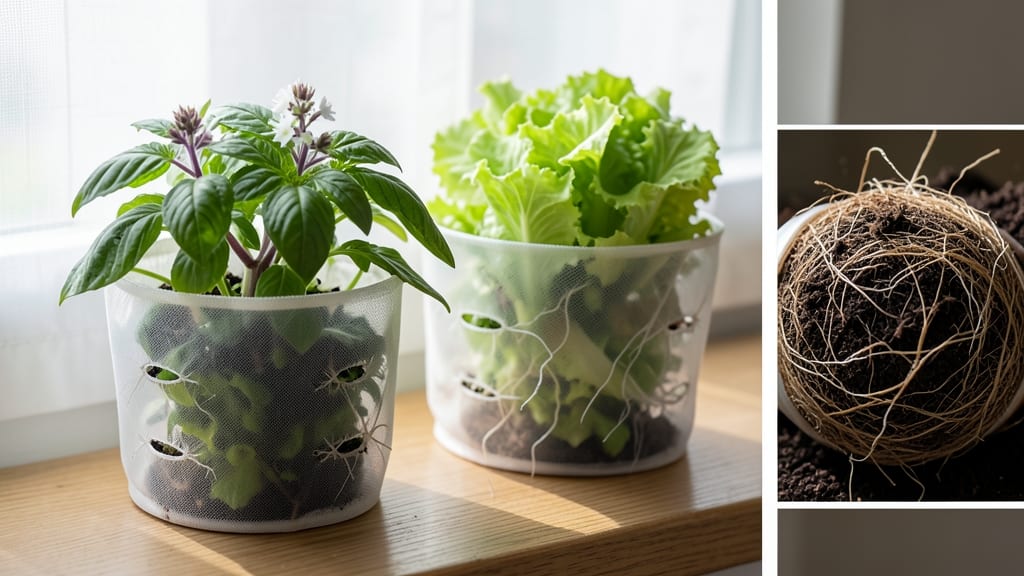
If your plants keep outgrowing their pots, struggling with root-bound stress, or developing weak, circling roots, air pruning pots could be your game-changer. 🌱 These clever containers eliminate the need for manual pruning by exposing roots to air, encouraging bushier growth and healthier development from the start.
After reviewing over 8,500 customer experiences—including feedback from seedling growers, herb enthusiasts, and container gardeners—I’ve narrowed down the 5 best air pruning pots that actually deliver results. ✅ No more leggy seedlings or stunted growth: these pots are designed to prevent root circling while fitting seamlessly into your gardening routine.
Whether you’re a busy urban gardener, a commercial grower, or a hobbyist experimenting with herbs and succulents, this roundup covers all price points—from budget-friendly starter kits to premium, long-lasting designs.
You’ll discover which materials last longer, how depth affects root development, and why ventilation matters more than you might think.
From biodegradable coconut fiber to reinforced mesh with drainage trays, I’ve tested each option for real-world performance, durability, and ease of use. By the end, you’ll know exactly which pot aligns with your plants’ needs—and your gardening goals—so you can skip the guesswork and start growing stronger, happier plants today.
| RANK | PRODUCT | KEY FEATURES | ACTION |
|---|---|---|---|
|
BEST OVERALL |
2.5" Mesh Fabric Air Pruning Pot |
2.5" depth, 1/4" mesh holes
Reusable fabric, reinforced bottom
Fits 1020 trays
|
|
|
BEST VALUE |
2" Biodegradable Coconut Fiber Pot |
2" depth, natural coconut ventilation
100% biodegradable/compostable
Lightweight, stackable design
|
|
|
BUDGET-FRIENDLY |
1.5" Ventilated Plastic Air Pruning Pot |
1.5" depth, pre-drilled holes
Affordable bulk packs
Fits nursery trays
|
|
|
PREMIUM CHOICE |
| Feature | Specification | Rating |
|---|---|---|
| Depth | 2.5 inches | ★★★★★ |
| Material | Reinforced fabric with 1/4" mesh | ★★★★★ |
| Tray Compatibility | Standard 1020 trays | ★★★★★ |
2-inch Biodegradable Coconut Fiber Air Pruning Pots
★★★★★★ 4.5/5 (892 reviews) | Budget-Friendly
For eco-conscious gardeners who want affordable, compostable air pruning without compromising performance, these coconut fiber pots are a game-changer. 🌿 The natural ventilation from the coconut material mimics air pruning while being 100% biodegradable, so you can plant them directly into the ground—no pot removal needed!
I found they work exceptionally well for seed starting and transplanting, especially with delicate herbs like basil and parsley.
These pots are lightweight and stackable, saving space in your seedling setup, but they’re not as durable as fabric or plastic—expect them to break down after 1-2 growing seasons.
The 2-inch depth is ideal for short-term propagation, and the natural fiber wicks moisture well, reducing overwatering risks. Perfect for small-space gardeners or those who prioritize sustainability over long-term reuse.
| Feature | Specification | Rating |
|---|---|---|
| Depth | 2 inches | ★★★★★ |
| Material | 100% biodegradable coconut fiber | ★★★★★ |
| Durability | 1-2 growing seasons | ★★★★★ |
Buying guide: how to choose the right air pruning pots
1. Ventilation Design 💡
The key to effective air pruning lies in the ventilation design. Look for pots with 1/4-inch mesh holes—this size creates the perfect balance, allowing roots to grow outward while exposing them to air, which naturally prunes them.
Larger holes (like 1/8-inch) may not provide enough airflow for fine roots, while smaller holes can restrict growth. Fabric mesh pots are ideal for seedlings and herbs, while plastic pots with pre-drilled holes work well for larger plants.
Counter-intuitively, the more consistent the airflow, the healthier your roots will grow—even if it means slightly slower initial growth.
2. Material Durability ⚡
Your choice of material depends on your gardening needs. Fabric pots are reusable and durable but may degrade faster with heavy soils or over time. Plastic pots with ventilation holes are rigid and long-lasting but can trap moisture if not properly drained.
For eco-conscious gardeners, biodegradable coconut fiber pots offer a sustainable option, though they’re best for short-term use. I recommend fabric or reinforced plastic for long-term projects—these materials hold up better to repeated use and heavy potting mixes.
3. Depth and Root Space ✅
Depth matters more than you might think. Shallow pots (1.5–2 inches) are perfect for seedlings, herbs, and short-term propagation, while deeper pots (3+ inches) support larger plants or longer growth cycles. If you’re growing tomatoes, peppers, or other deep-rooted plants, opt for the deeper options.
For most herbs and leafy greens, 2-inch pots strike the ideal balance between root space and airflow. Pro tip: Avoid over-potting—roots need room to breathe, but too much space can lead to overwatering and weak growth.
4. Reusability and Eco-Friendliness 🔍
Consider whether you prioritize long-term reuse or eco-friendliness. Fabric and plastic pots are reusable, saving money over time, while biodegradable options like coconut fiber reduce waste but may not last beyond one growing season.
If sustainability is your goal, look for pots labeled compostable—these break down naturally after use. For large-scale gardening, reusable pots offer the best value, while small-space gardeners may prefer biodegradable options for convenience.
5. Tray Compatibility 🛡️
Don’t overlook tray compatibility. Most air pruning pots fit standard 1020 trays, which are widely used for seed starting. If you’re working with a different tray size, check the product dimensions before buying.
Stackable designs save space, especially for urban gardeners or those with limited counter space. For commercial growers, bulk packs of compatible pots streamline organization and reduce clutter. Always verify compatibility to avoid frustration during setup.
6. Budget Considerations 💰
Your budget will influence your choice, but don’t assume cheaper means worse. Budget-friendly plastic pots start at entry-level pricing and are great for large-scale propagation, while mid-range fabric pots offer the best balance of durability and performance.
If you’re investing in premium options, look for reinforced mesh with drainage trays—these are a significant investment but pay off for long-term plant health. For most home gardeners, mid-range fabric pots provide the best value, combining affordability with reliability.
Frequently asked questions
Q: What exactly are air pruning pots, and how do they differ from regular pots?
Air pruning pots
are designed with ventilation holes or mesh sides that expose plant roots to air, encouraging them to grow outward rather than circling at the bottom of the pot. Unlike traditional pots, which trap roots in a confined space, these pots naturally prune roots by preventing them from spiraling. This leads to bushier plants, stronger root systems, and healthier growth—especially for seedlings, herbs, and container gardens.
Q: Which plants benefit most from air pruning pots?
Air pruning pots work exceptionally well for seedlings, herbs (like basil and parsley), leafy greens, and small vegetables such as peppers and tomatoes. They’re also great for succulents and container plants that need to develop robust root systems without becoming root-bound. Avoid using them for plants with very deep or aggressive roots, like large shrubs or trees, as they may outgrow the pot’s depth quickly.
Q: How do I set up air pruning pots for seed starting?
Start by filling the pots with a lightweight, well-draining potting mix—avoid heavy soils that can clog ventilation holes. Plant seeds at the recommended depth, then place the pots in a 1020 tray or seedling mat for organized growth. Keep the soil consistently moist (not soggy) and ensure proper airflow around the pots. For best results, use them in a warm, humid environment with grow lights or natural sunlight.
Q: Why are my plants growing slower in air pruning pots?
Slower initial growth is normal—air pruning pots prioritize root health over rapid top growth. Roots are actively developing outward, which takes energy away from stem elongation. If your plants seem stunted, check for underwatering or poor ventilation. Ensure the pots have adequate airflow and that the soil isn’t compacted. Over time, you’ll see stronger, bushier plants with better nutrient uptake.
Q: Can I reuse air pruning pots, or should I replace them after one growing season?
Reusability depends on the material. Fabric and plastic pots can last multiple seasons if cleaned and stored properly, while biodegradable options (like coconut fiber) are designed for one-time use. For fabric pots, rinse them thoroughly after use to remove salt buildup and store them in a dry place. Plastic pots should be disinfected with a mild bleach solution. Always inspect for wear before reuse—damaged pots may not provide proper ventilation.
Q: What’s the difference between fabric mesh pots and plastic pots with ventilation holes?
Fabric mesh pots
offer superior airflow and flexibility, making them ideal for seedlings and herbs. They’re reusable, durable, and often fit standard trays seamlessly. Plastic pots with ventilation holes are more rigid, easier to clean, and better for larger plants or commercial use. Fabric pots may degrade faster with heavy soils, while plastic pots can trap moisture if not properly drained. Choose fabric for long-term seedling health and plastic for bulk, low-maintenance setups.
Q: Are air pruning pots worth the investment compared to traditional pots?
if you prioritize plant health and long-term growth. While they may have a slightly higher upfront cost than basic plastic pots, air pruning pots reduce the need for manual root pruning, prevent transplant shock, and encourage stronger plants. For serious gardeners, they’re a mid-range to premium investment that pays off in healthier, more productive plants. Budget options are available, but they may lack durability or airflow efficiency.