
Pruning
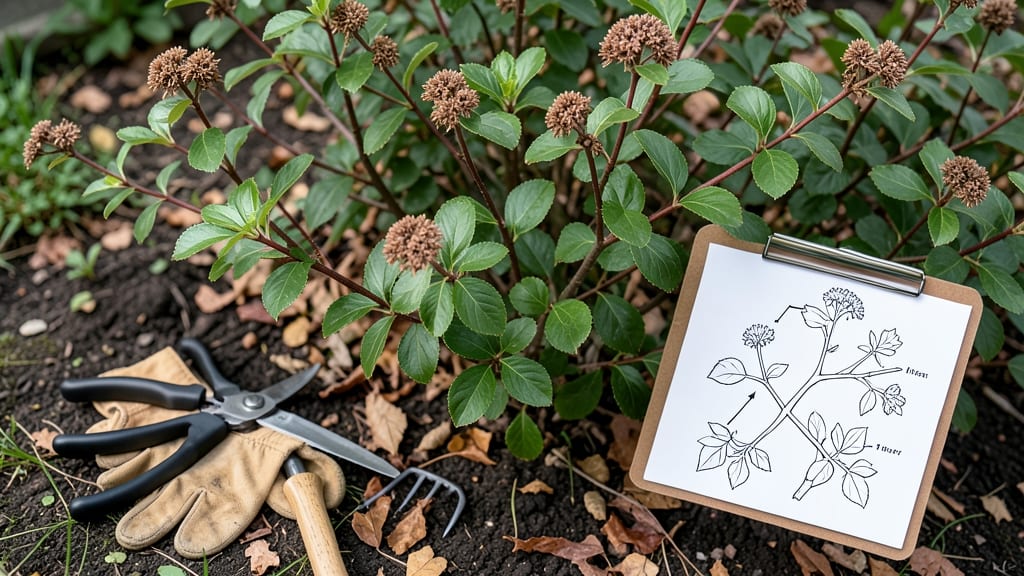
Pruning arrowwood viburnum in late winter reveals its hidden potential—thicker stems, more blooms, and that lush, bushy shape you’ve always wanted. ✂️ I’ve been pruning mine for years, and the difference between a neglected shrub and a showstopper comes down to timing, technique, and a few sharp cuts.
The key? Prune before new growth starts in early spring, or right after flowering if you prefer summer blooms.
You’ll need just three basic tools: pruning shears for small branches, loppers for thicker stems, and gloves to protect your hands from thorns. The goal isn’t to turn it into a topiary—arrowwood viburnum thrives on a natural, rounded form.
Start by removing dead or crossing branches, then thin out the center to improve airflow. Think of it like giving your shrub a spa day: less clutter, more energy for blooms.
After pruning, your viburnum will reward you with denser foliage and clusters of fragrant white flowers by late spring. The secret? Avoid heavy pruning in late summer or fall—it stresses the plant and leaves it vulnerable to winter damage.
Instead, focus on shaping and cleanup now, and you’ll set the stage for years of effortless beauty.
Whether you’re tackling a mature shrub or a young plant, this method works for any size. The best part? Once you master it, arrowwood viburnum becomes nearly maintenance-free—just a little trim every few years to keep it looking its best. Ready to transform yours?
📚 In This Guide
- What you need
- Instructions
- Tips and common mistakes
- Wrapping up and next steps
What you need
- ● Pruning shears: Bypass pruners with sharp, bypass blades (avoid anvil-type shears to prevent crushing stems). Choose ergonomic handles for comfort during extended use.
- ● Loppers: A pair with long handles (24–30 inches) for reaching higher branches. Opt for ratcheting or bypass blades for precision cuts.
- ● Pruning saw: A folding handsaw or bow saw for thicker branches (1+ inch diameter). Look for fine-toothed blades to avoid tearing wood.
- ● Gloves: Garden gloves with cut-resistant palms to protect against thorns and rough stems.
- ● Disinfectant: Rubbing alcohol (70% isopropyl) or a garden disinfectant to sterilize tools between cuts and prevent disease spread.
- ● Clean rags or paper towels: For wiping tools before and after pruning.
- ● Trash bags or bucket: To collect pruned branches and debris. A 5-gallon bucket with a lid works well for easy disposal.
- ● Hand pruners with a magnifying lens: For detailed work on small branches.
- ● Pole pruner: If your viburnum is tall (6+ feet), a 3–4 foot extendable pole helps reach high branches safely.
- ● Knee pads or stool: For comfort if you’re working on the ground or need to crouch.
- ● Marking spray or tape: To label branches for removal if you’re pruning for shape or size control.
- ● Compost bin: If you plan to compost the pruned material (ensure it’s free of disease).
- ● Check the weather: Prune on a dry, calm day to avoid spreading disease or damaging the plant.
- ● Wear long sleeves and pants to protect against thorns and potential scratches.
- ● Have a clear plan for your pruning goals (e.g., shaping, rejuvenation, or encouraging blooms).
- ● If your viburnum is diseased, sterilize tools thoroughly and dispose of infected branches in sealed bags.
Instructions for pruning arrowwood viburnum for health and beauty
Here's the straightforward approach I use to keep my arrowwood viburnum thriving and blooming beautifully year after year.
✂️ Step 1: Prune Immediately After Flowering
Timing is everything with arrowwood viburnum. I prune right after the spring blooms fade—usually in late May or early June—because this shrub flowers on old wood. Cutting back too early removes next year's flower buds. Wait until you see the flowers start to drop naturally before reaching for your pruners.
Start by removing any dead, diseased, or crossing branches first. These are easy to spot—they're brown, brittle, or growing inward toward the center. Cut them back to the main stem or to a healthy outward-facing bud. This opens up the shrub's center for better airflow and sunlight penetration, which prevents future issues.
✂️ Step 2: Thin Out Overcrowded Branches
Arrowwood viburnum naturally grows in a rounded shape, but over time, branches can become too dense. I look for thin, weak stems growing in the center of the shrub—these compete for resources and rarely produce flowers. Selectively remove one-third of the oldest stems at the base, cutting them back to the ground. This encourages new growth from the base and keeps the shrub vibrant.
I also remove any branches that are growing at sharp angles or rubbing against each other. These are prone to injury and disease. Use clean, sharp pruners to make 45-degree cuts just above a healthy bud or lateral branch. Avoid leaving stubs—this prevents water from pooling and causing rot.
✂️ Step 3: Shape the Shrub for Balance
After removing dead or overcrowded branches, I step back and assess the shrub's overall shape. Arrowwood viburnum responds well to light shaping, so I aim for a rounded, natural form. Focus on maintaining an open center—this allows sunlight to reach the inner branches, which encourages more blooms and better foliage.
Trim back any branches that are growing too long or leggy by cutting them back to a side branch or bud. Avoid cutting back more than one-third of the shrub's total height in a single season—this can stress the plant. If you need to reduce the shrub's size significantly, spread the pruning over two to three years to avoid shocking the plant.
✂️ Step 4: Clean Up and Maintain Year-Round
Once the main pruning is done, I gather all the clippings and dispose of them properly—never leave them on the ground around the shrub. This prevents pests and diseases from taking hold. I also sanitize my pruners with rubbing alcohol between cuts to avoid spreading any potential infections.
Throughout the growing season, I keep an eye out for any new growth that looks out of place or branches that are growing too aggressively. A quick trim here and there keeps the shrub looking neat and encourages healthy development. In late winter or early spring, just before new growth begins, I do a final check for any damaged or weak branches that might need removal.
Tips & tricks for perfect arrowwood viburnum pruning
Don't let common mistakes turn your pruning session into a gardening regret. These practical tips will help you keep your arrowwood viburnum looking its best while avoiding the pitfalls that can harm your shrub.
Timing Secret: The late May to early June window is critical because arrowwood viburnum flowers on old wood. I've learned this the hard way—pruning too early in spring can remove next year's flower buds before they even form. Watch for flowers to naturally drop and turn brownish before you start cutting. This visual cue ensures you're pruning at the perfect time.
Branch Selection Strategy: When thinning out overcrowded branches in Step 2, focus on removing one-third of the oldest stems at the base. These are typically thinner and less productive. I always look for branches growing at sharp angles or rubbing against others—these are prime candidates for removal. The key is to make clean cuts at 45-degree angles just above a healthy outward-facing bud, which encourages new growth in the right direction.
Shape Maintenance: After removing problematic branches, step back and assess the overall shape. Arrowwood viburnum thrives with an open center that allows sunlight to reach inner branches. I aim for a naturally rounded form, avoiding any drastic height reductions in a single season. Remember, you can always make gradual adjustments over two to three years if needed. This approach prevents stressing the plant while maintaining its health and beauty.
Cleanup Essentials: Never leave pruned branches on the ground around your shrub—they can harbor pests and diseases. I always gather clippings and dispose of them properly. Sanitizing your pruners with rubbing alcohol between cuts is a small habit that prevents spreading infections. During the growing season, keep an eye out for any new growth that looks out of place and do quick trims as needed to maintain that perfect shape.
Pro Tips for Arrowwood Viburnum Pruning
- Don't let common mistakes turn your pruning session into a gardening regret.
- Timing Secret: The late May to early June window is critical because arrowwood viburnum flowers on old wood.
- Branch Selection Strategy: When thinning out overcrowded branches in Step 2, focus on removing one-third of the oldest stems at the base.
Frequently asked questions
Got questions about keeping your arrowwood viburnum thriving with the perfect prune? You’re in the right place! Here are answers to the most common queries—so you can confidently shape your shrub for stunning blooms and healthy growth.
When is the best time to prune arrowwood viburnum?
Prune your arrowwood viburnum right after flowering (late spring to early summer) to avoid cutting off next year’s blooms. Light shaping can also be done in early spring before buds swell. Avoid heavy pruning in fall or winter, as it can stress the plant.
How much can I trim back my arrowwood viburnum?
For most arrowwood viburnums, never remove more than 1/3 of the plant’s height or width in a single year. Over-pruning can reduce flowering and weaken the shrub. Focus on removing dead, diseased, or crossing branches first, then lightly shape for balance.
What if my arrowwood viburnum isn’t blooming after pruning?
If blooms are sparse, check your pruning timing—cutting too late in the season (after summer) may remove next year’s flower buds. Also, ensure your plant gets full sun to partial shade and well-draining soil. Over-fertilizing with high-nitrogen can also reduce flowering.
Can I prune arrowwood viburnum for a hedge?
Yes! Arrowwood viburnum responds well to hedge pruning if done correctly. Use hand pruners or shears to trim just above a leaf node, and prune multiple times per season (spring, summer, and lightly in fall) to maintain shape. Avoid heavy shearing, which can harm the plant.
What’s the difference between pruning arrowwood and other viburnums?
Arrowwood viburnum (Viburnum dentatum) blooms on old wood, so prune after flowering (unlike spring-blooming viburnums like Viburnum trilobum, which prune in late winter). It’s also more tolerant of moderate pruning than some viburnums, making it great for low-maintenance landscapes.
Pro Tip:
Always sterilize your pruners with rubbing alcohol between cuts to prevent spreading disease. And if your viburnum looks leggy, thin out older stems at the base to encourage new growth—this keeps the plant bushy and blooming!
Wrapping up and next steps
Pruning your arrowwood viburnum doesn’t have to be daunting—just a little timing, patience, and the right technique can transform your shrub into a blooming beauty! 🌸 By following these steps, you’ll encourage healthier growth, more vibrant flowers, and a well-shaped plant that stands out in your landscape.
Now that you’re armed with the know-how, grab those shears and get pruning! For extra care, consider fertilizing or mulching afterward to give your viburnum the best start for next season’s stunning display.