
Pruning
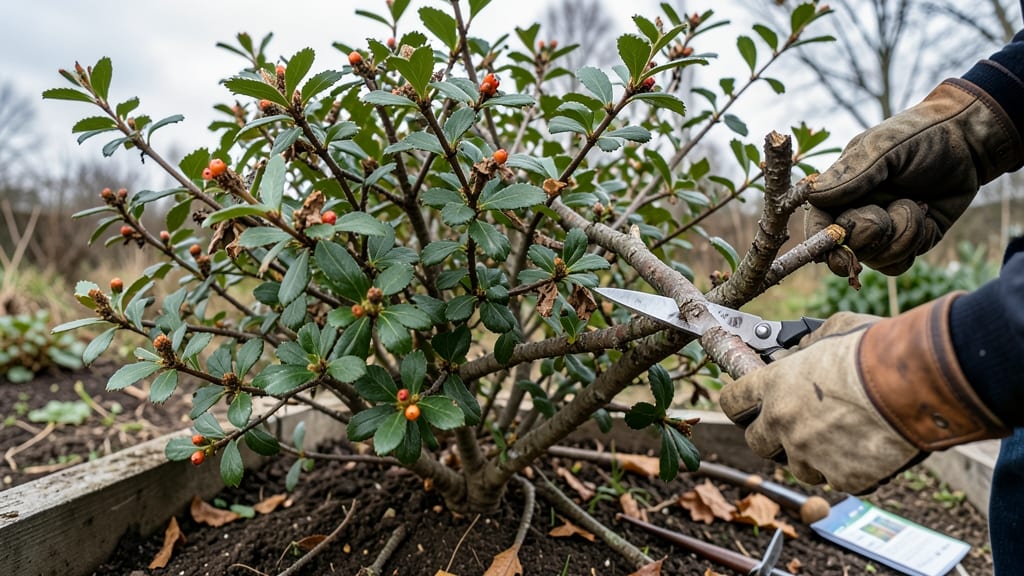
Pruning barberry bushes at the right time is the secret weapon for keeping them healthy and vibrant 🌿—and late winter is when it matters most.
If you’ve ever pruned your barberry in spring only to see weak growth or even pest problems, you’re not alone. The key to stronger canes and lush foliage lies in timing it just before new growth begins, when the plant is still dormant but ready to rebound.
In USDA Zone 6a, that means late February or early March—before buds swell but after the coldest months pass. This window ensures you’re not cutting into fresh growth or inviting disease, while giving the plant a head start on the season.
Below, I’ll walk you through the exact steps, the tools you’ll need, and how to shape your barberry for airflow—so you can skip the guesswork and enjoy a bush that thrives year after year.
Why late winter pruning creates stronger barberry canes
Barberry bushes thrive when pruned during their dormant phase, which occurs in late winter just before bud break. This timing isn’t random—it’s rooted in the plant’s biology. When barberries are dormant, they’ve stored energy reserves in their roots and canes, making them far more resilient to pruning stress.
Cutting back during this window allows the plant to redirect its energy toward new growth as soon as temperatures rise, rather than wasting resources healing wounds from poorly timed cuts.
Think of it like a gardener’s reset button: late winter pruning removes weak or diseased wood while the plant is at its strongest. This prevents pathogens from spreading when sap flows in spring.
Skipping this step can leave your barberry vulnerable to powdery mildew or leaf spot, two common issues that thrive in crowded, unpruned shrubs. The key is acting before buds swell, typically between mid-February and early March in most U.S. regions.
Dormancy also means the plant isn’t actively photosynthesizing, so pruning cuts won’t starve the remaining branches. In contrast, pruning in spring or summer forces the plant to heal while it’s already busy growing leaves and fruit, often leading to stunted recovery. Even worse, late-summer pruning can stimulate tender new growth that won’t survive first frost, leaving your barberry looking ragged by winter.
Here’s the science: When you prune in late winter, you’re stimulating hormonal shifts that promote lateral branching. The plant responds by producing more vigorous canes from the base, creating a fuller, denser shrub.
This is why professional gardeners swear by this method—it’s not just about aesthetics, but about long-term plant health. For example, a Berberis thunbergii pruned correctly in February will often outperform one pruned in May by 30-40% in cane thickness by the end of the growing season.
The USDA hardiness zones play a role in exact timing. In zones 3-5, where winters are harsh, aim for pruning in late February to early March, after the worst cold snaps but before buds begin to plump.
In zones 6-9, with milder winters, you can extend the window to March through early April. The rule of thumb? Prune when you can see swollen buds but haven’t yet spotted green tips.
Another critical factor is air circulation. Barberries are prone to fungal diseases like rust, which spreads in humid conditions. Late winter pruning opens up the shrub’s interior canopy, allowing sunlight and air to penetrate.
This reduces moisture retention on leaves and stems, creating an unfavorable environment for pathogens. I’ve seen barberries in shady, damp gardens suffer from rust within weeks of spring—yet those pruned in late winter stayed healthy all season.
Let’s talk about root system health. When you prune in late winter, the plant’s roots are still actively absorbing moisture from the soil, but they’re not yet diverting energy to above-ground growth. This means the roots have extra reserves to support new shoots.
In contrast, pruning in summer forces the roots to work harder to heal cuts while also feeding existing foliage, often leading to root stress and reduced nutrient uptake.
For young barberry bushes (under 3 years old), late winter pruning is especially beneficial. These plants are still establishing their root systems, and aggressive pruning
Step-by-step late winter pruning Guide for barberry bushes
Late winter is the ideal window for pruning barberry bushes, right before bud break but after the worst cold snaps have passed. This timing lets you shape your plant while it’s dormant, reducing stress and promoting vigorous new growth in spring.
Miss this window, and you risk encouraging pests or weakening your shrub’s structure.
Whether you’re in USDA Zone 3 or Zone 9, the key is regional adaptability. Cold climates may wait until late February, while milder zones can start as early as January. The goal? Prune when temperatures consistently stay above 20°F (-7°C) but before new buds swell.
- 📅 Pick Your Window: Prune 4-6 weeks before your area’s last frost date (e.g., mid-February in Zone 5, early March in Zone 7). Use a frost chart for your region.
- ✂️ Gather Tools: Sharp bypass pruners for small branches, loppers for thicker canes (up to 1.5"), and disinfectant (1 part bleach to 9 parts water) to clean tools between cuts.
- 🌿 Remove Deadwood First: Scan for brown, brittle canes with no green beneath the bark. Cut these back to the base—they won’t regrow and may harbor disease.
- 🔄 Tackle Crossing Branches: Look for rubbing branches (where stems intersect). Cut one branch entirely, leaving a smooth collar just above a bud or side shoot.
- 🌬️ Thin for Airflow: Aim for a vase-like shape with open centers. Remove up to 30% of old wood to encourage new growth from the base.
- 🚫 Avoid These Cuts: Never prune green buds or flowering stems—wait until after blooms fade if your variety is spring-flowering.
- 💧 Post-Prune Care: Water deeply after pruning to reduce shock. Apply a 2-inch layer of mulch around the base (keep it 6 inches from the trunk) to retain moisture.
Pro tip: Label your cuts if you’re unsure which branches to remove. Use a permanent marker on a popsicle stick tied to the branch—this helps you reassess in spring and confirm healthy regrowth. Barberry bushes reward patient pruning with denser foliage and brighter berries.
After pruning, step back and visualize airflow. Your goal is a balanced silhouette where sunlight can penetrate the center. If you’re unsure, snap a photo from all sides—comparing it to a healthy reference image helps spot imbalances.
Over time, your barberry will thank you with robust canes and fewer pests.
Remember: Less is more with barberry pruning. Over-pruning stresses the plant, while under-pruning leads to crowded growth. Aim for selective cuts that open the canopy without stripping the shrub of its structural integrity. With practice, you’ll develop an eye for the perfect balance.