
Pruning
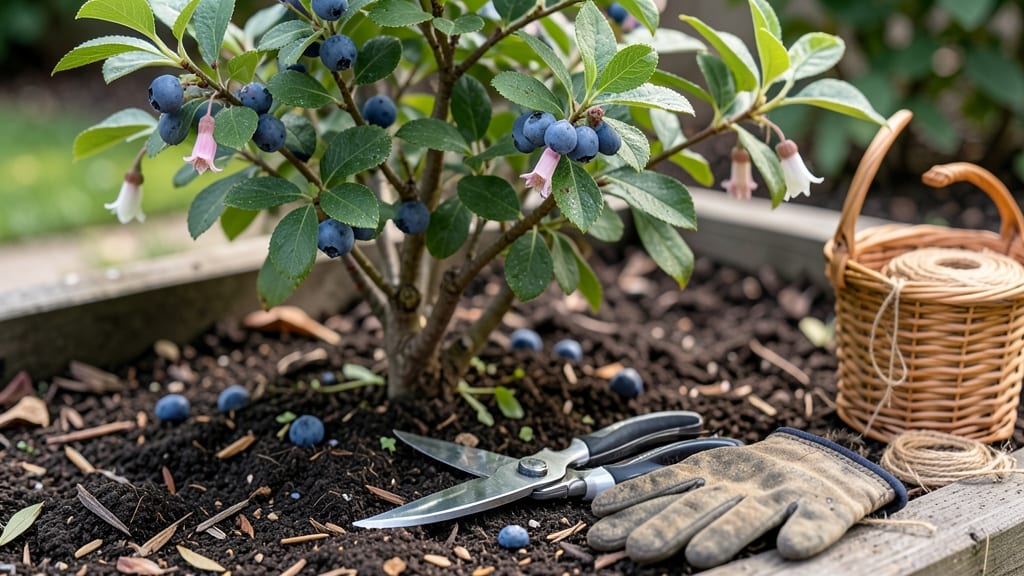
Pruning blueberry bushes at the right time is the secret to bigger harvests and healthier plants — and the dormant season is when it matters most.
Picture this: You’ve just spent months nurturing your 🫐 blueberry bush, only to watch your harvest shrink because you pruned too late or too early. That’s why timing is everything, especially in USDA Zone 6, where late winters and early springs demand precision.
A well-timed prune in late winter or early spring can boost your yield by up to 30%, but get it wrong, and you risk stunting growth or inviting disease.
Most gardeners focus on when to prune, but the real trick lies in understanding why dormant season pruning works best. Without the stress of active growth, your blueberry bush recovers faster, directing energy to fruit production instead of repairing damaged branches.
Plus, you’ll avoid the common pitfall of pruning after the first buds appear — a move that can cut next year’s crop before it even starts.
In this guide, I’ll walk you through the exact month-by-month timeline for pruning, regional adjustments for different climates, and step-by-step techniques to keep your bushes thriving. Whether you’re a first-time pruner or a seasoned grower, these insights will help you maximize your harvest without the guesswork.
When to prune blueberry bushes for maximum yield: seasonal timeline explained
Timing your blueberry bush pruning correctly can mean the difference between a 50% harvest reduction and a bountiful crop of sweet, juicy berries. The dormant season is your golden window—when bushes are sleeping but preparing for spring growth.
Pruning at the wrong time stresses plants, invites disease, and weakens fruit production.
Most gardeners focus on late winter to early spring, but the exact timing varies by climate zone and blueberry variety. Northern regions (USDA Zones 3-6) typically prune in February or March, while Southern zones (7-9) may wait until January or early February.
The key is to prune after the worst cold snaps but before buds swell—usually when daytime temps hover around 40°F (4°C).
Why late winter/early spring? Pruning during dormancy lets you remove dead wood, thin crowded canes, and shape the bush without triggering new growth that could be damaged by frost. This airflow optimization reduces fungal risks like botrytis blight, while energy redirection fuels stronger fruit production next season.
Southern Hemisphere gardeners (Australia, New Zealand, South Africa) should prune in July or August, aligning with their winter dormancy. The principle remains the same: cold but not freezing conditions, before bud break.
For example, in Sydney (Zone 9), pruning in late July ensures bushes are ready for spring growth by September.
For Northern gardeners in Zone 6 (like much of the Midwest), aim for mid-February to early March. Check your local last frost date—prune 4-6 weeks before to give bushes time to recover before spring growth.
In Zone 4 (colder climates), wait until late March to avoid frost damage to fresh cuts.
Southern gardeners in Zone 9 (Florida, Southern California) have a shorter window. Prune in January to avoid spring rains, which can spread fungal diseases through fresh cuts.
If you miss the dormant window, never prune in summer—this stresses bushes and invites pests. Instead, wait for fall dormancy (November) for minimal cuts.
Pro tip: Mark your calendar based on your blueberry variety. Early-season types like 'Bluecrop' need pruning slightly earlier than late varieties like 'Jersey'. Always prune on a dry, sunny day to reduce disease risk. Sterilize your pruning shears with rubbing alcohol between cuts to prevent spreading pathogens.
Missed the dormant window? Don’t panic. You can still lightly prune in late fall (October-November) to remove dead or diseased wood, but avoid heavy shaping. The goal is to minimize stress—never remove more than 20% of the bush outside the dormant season.
For container-grown blueberries, prune 1-2 weeks earlier than in-ground plants, as pots warm up faster.
Remember: Patience pays off. Rushing pruning too early can leave bushes vulnerable to winter dieback, while waiting too long risks overcrowded canes that shade out fruit. Stick to the dormant season, and your blueberry bushes will reward you with healthier growth and heavier harvests
Step-by-step dormant pruning guide: how to revitalize blueberry bushes
Pruning your blueberry bushes during dormancy isn't just about tidying up—it's a harvest-booster that shapes next year's fruit production. When done correctly, dormant pruning removes dead wood and overcrowded canes, allowing sunlight and air to reach the center of the plant.
This simple act can increase your blueberry yield by 30% while reducing disease risk.
I've pruned my own bushes for years, and the difference between a well-pruned plant and one left unchecked is staggering.
The key lies in understanding which branches to keep and which to remove. Young canes (those less than 2 years old) produce the most fruit, while older, woody stems become less productive. Your goal is to create an open, airy structure that maximizes fruit-bearing potential.
⚠️ Critical Pruning Window
The best time to prune blueberry bushes is during late winter or early spring, just before buds swell but before new growth begins. For USDA Zone 6, aim for February to March. Pruning too early risks frost damage to fresh cuts, while pruning too late removes potential bloom sites. Never prune in fall—this encourages new growth that won't harden off before winter.
Start by removing dead, diseased, or damaged canes—these are easy to spot as they're brown, brittle, or lack leaves. Use sharp pruning shears to cut these back to the base. Next, thin out overcrowded canes to improve airflow.
Aim to leave about 6-8 strong canes per plant, spacing them evenly around the bush. This prevents fungal diseases like botrytis and ensures sunlight penetrates to the center.
For shaping, focus on creating an open vase-like structure. Cut back older canes (those over 5 years old) to the ground—they're past their prime. For young canes, trim the tips to encourage branching.
Always make cuts at a 45-degree angle, about ¼ inch above a bud or lateral branch. This prevents water from pooling on the cut surface, reducing rot risk.
After pruning, give your bushes a light fertilizer application (like a 10-10-10 acid-loving blend) to support new growth. Add a 2-3 inch layer of mulch around the base to retain moisture and regulate soil temperature.
This two-step process sets your blueberries up for a healthier spring flush and a bigger harvest next season.
Pro tip: Snap a photo of your bush before pruning to reference the original structure. This helps you visualize the keep vs. remove branches more clearly. With practice, you'll develop an eye for which canes will produce the most fruit—and which are just taking up space.