
Pruning
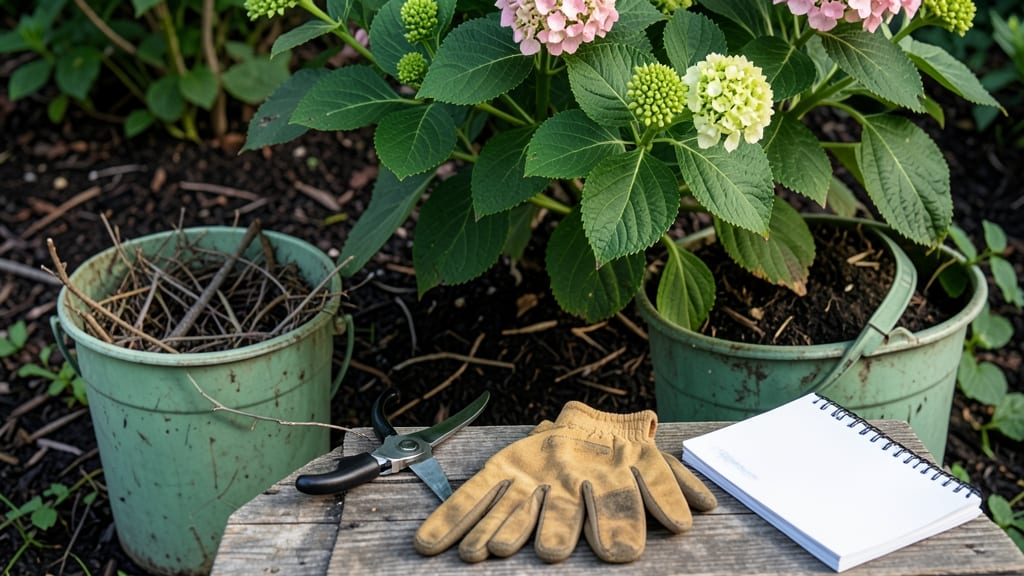
Discovering the best time to prune Limelight hydrangea in late winter—just as buds begin to swell—sets the stage for showstopping summer blooms that outshine any other shrub in your garden. 🌿 I learned this the hard way after pruning too early and ending up with a sparse, leggy plant that took two seasons to recover.
The key is timing: cut back when the danger of frost has passed, but before new growth gets too far ahead. You’ll need just three tools: sharp bypass pruners for clean cuts, loppers for thicker stems, and a bucket for clippings.
Focus on removing 1/3 of the plant’s height, cutting just above a bud or lateral branch. This encourages dense, bushy growth and prevents the stems from getting too woody. The goal is to shape the plant while keeping its natural form—no need for dramatic haircuts.
What you’ll end up with is a hydrangea that bursts into feathery white blooms by midsummer, lasting well into fall. The flowers even turn a stunning pinkish hue as they age, adding seasonal interest.
For warmer climates, delay pruning until early spring—wait until you’ve seen a few warm days in a row to avoid damaging tender new growth. If you’re in a colder zone, don’t rush—pruning too early can stress the plant.
And here’s a pro tip: mark your calendar now so you don’t forget. Once you’ve mastered this timing, your Limelight will become the star of your garden year after year.
📚 In This Guide
- What you need
- Instructions
- Tips and common mistakes
- Wrapping up and next steps
What you need
- ● Bypass pruners – Sharp, clean pruners (like Felco F-2 or Gonicc T-100) to make precise cuts without crushing stems.
- ● Loppers – For thicker stems (3/8"–1" diameter), opt for Fiskars X27 or similar.
- ○ Hand pruners (optional) – For smaller branches or fine-tuning.
- ● Garden gloves – Heavy-duty, cut-resistant gloves (e.g., Wright & McGill) to protect from thorns and sap.
- ● Disinfectant (70% isopropyl alcohol or bleach solution) – 1 part bleach to 9 parts water to sterilize tools and prevent disease.
- ● Rubbing alcohol or hand sanitizer – For quick tool clean-ups between cuts.
- ● Pruning saw – For stubborn, thick stems (e.g., Bahco Ergonomic Pruning Saw).
- ● Hose or bucket of water – To rinse tools and remove sap buildup.
- ● Garden twine or zip ties – To temporarily secure heavy branches if needed.
- ○ Mulch (optional) – Shredded bark or compost to replenish soil after pruning.
- ● Weather check – Prune on a dry, calm day (avoid frost or rain within 24 hours).
- ● Tool sharpening – Ensure blades are sharp for clean cuts (use a file or sharpening stone).
- ● Safety gear – Sunglasses and long sleeves if working in bright sun.
- ● Clean workspace – Lay down a tarp or old blanket to collect debris.
Step-by-step guide to pruning Limelight hydrangeas for maximum blooms
This is the method that transforms my Limelight hydrangeas from straggly to showstopping every summer.
⏰ Step 1: Choose the Right Time Based on Your Climate
Late winter is your window—ideally 2-4 weeks before your last frost date, when the plant is still dormant. In warmer zones (USDA 8-10), prune in late January to February. In colder regions (USDA 3-7), wait until March when temperatures stay above 40°F during the day. You'll know you're too late if buds begin swelling or new shoots appear.
I always check my local frost dates and mark the calendar with a reminder. Pruning too early risks cold damage to fresh cuts, while waiting too long means you'll cut off next year's flower buds. Limelight hydrangeas bloom on new wood, so you're not removing potential blooms—just encouraging stronger growth.
✂️ Step 2: Gather Your Tools and Prepare the Plant
Use clean, sharp pruning shears (I disinfect mine with rubbing alcohol between cuts) and gloves to protect against thorns. Wear old clothes—hydrangeas shed like crazy. Before you start, remove any dead, diseased, or crossing branches at the base. You'll see these as brown, brittle stems or ones rubbing against others.
Step back and examine the plant's structure. Look for the strongest stems—these are your keepers. Limelight hydrangeas can handle aggressive pruning, but I never cut more than ⅓ of the plant's total growth in one season. This ensures the plant has enough energy to rebound quickly.
🌿 Step 3: Cut Back to the Right Height for Optimal Growth
Here's where it gets exciting: cut all remaining stems back to 6-12 inches from the ground. Yes, that means you'll be left with stubby branches—this is normal! The key is to make clean cuts just above a set of buds or lateral branch (you'll see small swellings where leaves used to be). Avoid leaving stubs or tearing the bark.
I like to visualize the plant's new shape while pruning. Aim for an open vase-like form with multiple stems emerging from the base. This encourages bushier growth and more blooms. If you're unsure about a cut, hold the shears at a 45-degree angle—this prevents water from pooling on the cut surface.
☀️ Step 4: Post-Pruning Care for Strong Recovery
After pruning, water the plant deeply to help it recover. The roots need moisture to support new growth, especially since you've removed so much foliage. I always water in the early morning so the plant can absorb moisture before the heat of the day. Avoid fertilizing immediately—wait 4-6 weeks until new growth appears.
Keep an eye out for new shoots emerging from the base within 2-3 weeks. This is your sign the plant is happy. If you see yellowing leaves or wilting, it might be stressed—reduce watering slightly and provide morning sun with afternoon shade until it stabilizes. Mulch around the base with 2-3 inches of organic mulch to retain moisture and protect roots.
🌱 Step 5: Monitor Growth and Adjust for Next Year
Throughout spring, watch for new growth and flower buds forming at the tips of branches. Limelight hydrangeas typically bloom in mid to late summer, so you'll see buds swell around June. If you notice any weak or leggy growth, consider a light fertilizer application in early June to encourage stronger stems.
I always make notes after pruning—like how many stems I cut back or any unusual growth patterns. This helps me refine my approach each year. By late fall, you'll see the results: bold, vibrant blooms that last well into autumn. The more you prune in late winter, the more dramatic your summer display will be.
Tips & tricks for perfect Limelight hydrangea pruning
These game-changing tips will help you avoid common mistakes and get the most dramatic blooms possible.
Timing Secret: The 2-4 week window before your last frost is non-negotiable. I check my local frost dates through the National Weather Service website and set calendar reminders. If you're in a transitional zone where temperatures fluctuate, wait until you've had three consecutive days above 40°F before pruning. This prevents cold damage to your fresh cuts while keeping the plant dormant enough to handle the stress.
Tool Upgrade: Invest in bypass pruners instead of anvil pruners—they make cleaner cuts that heal faster. I've ruined multiple cuts trying to use cheap shears that crush stems. Also, keep a small bottle of rubbing alcohol handy to disinfect your tools between cuts. This prevents spreading any potential diseases from dead branches to healthy ones.
Visual Cue for Pruning Height: When cutting back to 6-12 inches, look for the first set of buds or lateral branches just above the ground. These will be small swellings where leaves used to be. If you're unsure, make your cut slightly higher—you can always trim more later. The goal is to encourage new growth from these buds, not from the base where old wood might be hiding.
Recovery Strategy: That deep watering after pruning isn't just about hydration—it's about helping the plant establish new roots to support all that fresh growth. I water in the morning so the soil has time to absorb moisture before afternoon heat can evaporate it. The mulch layer acts like a blanket, keeping roots consistently moist while protecting against temperature swings that can stress the plant.
Pro Tips for Best Time To Prune Limelight Hydrangea
- These game-changing tips will help you avoid common mistakes and get the most dramatic blooms possible.
- Timing Secret: The 2-4 week window before your last frost is non-negotiable.
- Tool Upgrade: Invest in bypass pruners instead of anvil pruners—they make cleaner cuts that heal faster.
Frequently asked questions
Got questions about pruning your Limelight hydrangea? You’re not alone!
Here are answers to the most common concerns—so you can confidently shape your plant for stunning blooms.
When is the absolute latest I can prune my Limelight hydrangea?
While late winter (before buds swell) is ideal, you can prune Limelight hydrangeas up to early spring—just avoid cutting after new growth appears. If you miss the window, wait until after flowering (late summer) to prune lightly, but expect fewer blooms that season.
Do I need to prune my Limelight hydrangea every year?
Not necessarily! These hydrangeas are low-maintenance—prune only to shape, rejuvenate old wood, or remove dead growth. If it’s thriving, skip annual pruning unless you notice leggy stems or sparse blooms. Focus on health over frequency—over-pruning can stress the plant.
What if I prune at the wrong time and my Limelight hydrangea doesn’t bloom?
Don’t panic! Limelight hydrangeas bloom on new wood, so even late pruning can work—just avoid cutting back more than 1/3 of the plant. If blooms are missing, fertilize lightly in spring and water consistently. Next year, prune in late winter for a full comeback.
Can I prune my Limelight hydrangea in fall instead of winter?
Fall pruning is risky—it can stimulate tender new growth that won’t survive frost. If you must prune in fall, do so lightly and late (October/November), focusing only on dead or diseased stems. Winter pruning (dormant season) is always the safest bet for Limelight hydrangeas.
How do I tell if I’ve over-pruned my Limelight hydrangea?
Watch for these signs: no new growth by early spring, bare stems, or fewer/much smaller blooms. If you’ve cut back more than 1/3 of the plant, it may take a year to recover. Solution: Reduce pruning next time, fertilize, and water deeply. Patience helps—these plants are resilient!
What’s the best way to clean my pruners after trimming?
Disinfect your tools with 70% rubbing alcohol or a bleach-water mix (1:9 ratio) to prevent disease spread. Wipe blades dry before storing—rust is a pruner’s enemy! Keep a small brush in your toolkit to clear sap and debris. Pro tip: Store pruners in a dry place with silica gel packets to absorb moisture.
Wrapping up and next steps
Pruning your Limelight hydrangea in late winter—just as new growth begins—is the secret to showstopping summer blooms and a healthier plant. 🌸 By following the right steps (and timing!), you’ll encourage lush foliage, vibrant flowers, and a well-shaped shrub that steals the show.
Now that you’re armed with the know-how, there’s only one thing left to do:
🌱 Your Next Step: Grab Those Pruners!
Mark your calendar for February or early March (or wait for your region’s last frost if you’re in a cooler zone), gather your tools, and get ready to transform your hydrangea into a summer superstar. Happy pruning—your future blooms will thank you!