
How To
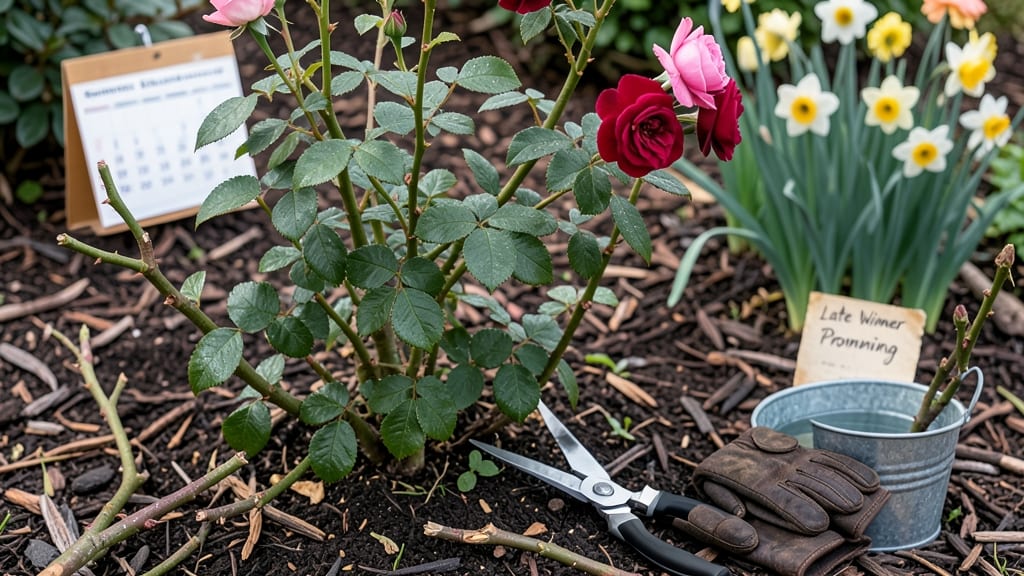
The best time to prune rose bushes is late winter, just as the dormant season ends and buds begin to swell 🌹 — this 30-day window makes all the difference for next year’s blooms.
Picture this: You’re standing in your garden, shears in hand, staring at a tangle of canes that look like a bird’s nest. One wrong cut and you’ve weakened your rose bush for months. But timing it right transforms that mess into a lush, thriving plant by summer.
Late winter pruning isn’t just about aesthetics—it’s about biology. When you prune too early, you risk frost damage to fresh cuts. Too late, and you stunt new growth. The key is catching that sweet spot: after the worst cold snaps but before buds burst open.
In this guide, I’ll walk you through the exact steps, tools, and regional tweaks to prune like a pro—whether you’re in USDA Zone 6a or a milder climate. You’ll leave with a clear plan to revive your roses and set them up for their best season yet.
Why late winter is the optimal time to prune rose bushes
Late winter is the golden window for pruning rose bushes because it aligns perfectly with their natural dormancy cycle. When roses enter dormancy, they conserve energy, making them less vulnerable to stress from pruning.
This timing also prevents disease spread by removing dead or infected canes before new growth begins. The key is to prune just before bud swell—when buds begin to plump up but before leaves emerge.
Pruning during dormancy stimulates healthier new growth in spring by redirecting the plant’s energy toward strong, vibrant canes instead of weak or diseased stems. It also improves air circulation within the bush, reducing humidity-related fungal issues like black spot.
Think of it as giving your roses a fresh start before the growing season kicks into high gear.
Here’s why late winter stands out as the best time to prune rose bushes, broken down by biological and environmental factors:
Your USDA zone plays a critical role in determining the exact timing. In colder regions like Zones 3-5, prune in late February or early March, just as daylight hours increase but before buds swell.
For milder climates in Zones 8-10, early January is ideal to avoid wet spring conditions that can promote fungal growth. Always check your last frost date—pruning too early in cold zones risks frost damage to fresh cuts.
Late winter pruning also boosts flowering potential for the upcoming season. By removing last year’s spent blooms and crossing canes, you create space for healthier, more abundant blooms in spring and summer.
This is especially true for hybrid teas and floribundas, which reward precise pruning with longer stems and larger flowers. Even climbing roses benefit from late-winter shaping to encourage upward growth.
One of the biggest misconceptions about pruning roses is that it should happen in early spring. However, pruning too late—after buds have swollen—can delay flowering and stress the plant. The 4-6 week window before bud swell is critical.
For example, if your last frost is April 15, aim to prune by early March in Zone 6. This timing ensures your roses have 6-8 weeks to recover before active growth begins.
Another advantage of late winter pruning is easier cleanup. With no leaves or blooms, it’s simpler to spot dead wood, diseased canes, and weak growth that should be removed. Use this time to sterilize your pruners with rubbing alcohol to prevent spreading pathogens.
I like to bag and dispose of infected canes immediately to avoid reinfecting the garden. This step is non-negotiable for black spot-prone varieties like Knock Out® roses.
If you’re unsure whether your roses are truly dormant, look for these signs: no green leaves, brown or bare canes, and buds that are still tight. Avoid pruning if you see green shoots or swollen buds, as this indicates the plant is waking up. In
Step-by-step late winter pruning guide for different rose types
Late winter is the perfect time to prune roses because the plants are dormant, making it easier to see their structure and remove problematic growth. Each rose type requires a slightly different approach—hybrid teas need dramatic cuts, while climbing roses should be shaped gently.
Using the right tools and techniques now will set your roses up for a spectacular blooming season.
Before you start, gather your tools: sharp bypass pruners, sterilized loppers, disinfectant, and gloves. Sterilizing tools between cuts prevents spreading disease. Focus on removing dead wood, weak canes, and crossing branches to improve airflow and sunlight penetration.
Step-by-Step Pruning Guide
-
Step 1: Identify Dead & Diseased Canes
Cut out any blackened, shriveled, or mushroom-covered canes at the base. These won’t regrow and can harbor pests.
-
Step 2: Remove Weak or Thin Growth
Look for pencil-thin canes or those growing inward. Cut these back to a strong outward-facing bud to encourage healthier growth.
-
Step 3: Thin Out Crossing Branches
Crossing branches rub against each other, creating wounds. Remove one of the two canes where they intersect, cutting at a 45-degree angle.
-
Step 4: Shape Hybrid Teas & Floribundas
Cut hybrid teas back to 18-24 inches tall, leaving 3-5 strong buds per stem. Floribundas can be pruned slightly harder to encourage bushier growth.
-
Step 5: Light Pruning for Climbers
Climbing roses only need 10-20% reduction. Trim back last year’s growth by half to promote new, vigorous shoots for next year’s blooms.
-
Step 6: Clean Up Shrub Roses
Shrub roses like Knock Out® varieties benefit from removing old wood (3+ years) and thinning crowded areas. Aim for an open center shape.
-
Step 7: Sterilize & Dispose
Wipe tools with rubbing alcohol between cuts. Bag and dispose of prunings in yard waste—never compost diseased material.
After pruning, apply a balanced fertilizer (like 10-10-10) to stimulate new growth. Mulch around the base with organic matter to retain moisture and suppress weeds. Watch for bud swell in early spring—this signals your roses are waking up and ready for their next growth phase!
Remember, the goal is to open up the center of the plant for better airflow while encouraging strong, outward-facing canes. With the right cuts, your roses will reward you with healthier stems and more abundant blooms next season. Happy pruning!