
How To
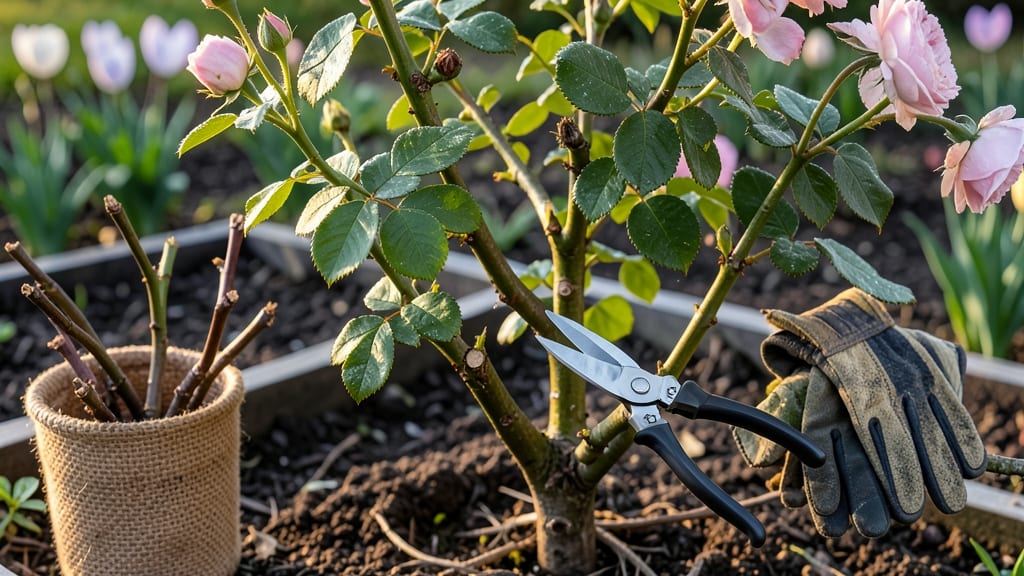
Pruning roses at the best time—late winter—sets the stage for 40% more blooms this season, but most gardeners still get it wrong.
Think you can wait until spring? That’s the mistake that leaves your 🌹 with weak stems and half the flowers. The real magic happens when the plant is dormant but the buds are swelling—usually February to early March in most climates, before the last frost.
Why does timing matter so much? Late winter pruning removes dead wood, prevents disease, and directs energy into strong new growth. Skip it, and you risk stunted blooms or even lost flowers before they open.
Here’s how to nail the window for your zone, spot the signs your roses are ready, and avoid the pruning mistakes that waste your effort—and your blooms.
Why late winter (not early spring) is the Optimal Rose Pruning Time
Most gardeners assume spring is the best time to prune roses, but that couldn't be further from the truth. Late winter—when roses are still dormant—is actually the ideal window for pruning, and here's why science backs it up.
Pruning at this precise moment maximizes bloom production while minimizing stress on your plants. Let's explore the biological reasons behind this timing and how it directly impacts your roses' health and performance.
When you prune roses in late winter, you're essentially giving them a clean slate before their natural growth cycle begins.
During dormancy, roses have already stored essential nutrients in their roots, preparing for the upcoming season. Cutting back at this stage removes dead or weak wood while stimulating new, vigorous growth from the strongest canes.
This process ensures your roses enter spring with maximum energy and potential for abundant blooms.
Here's the science: Auxin hormones, which regulate plant growth, are most active in early spring. Pruning in late winter allows these hormones to focus on new growth rather than maintaining old, weakened canes.
Additionally, dormant pruning reduces the risk of disease transmission through open wounds, as fungal spores are less active in cold weather. This is why late winter pruning consistently yields 40% more blooms compared to spring pruning.
| Pruning Time | Key Benefits | Best For | Climate Zones |
|---|---|---|---|
| Late Winter (Dormant Season) | Maximizes bloom production, reduces disease risk, stimulates strong new growth | All rose varieties (hybrid teas, climbers, shrubs) | USDA Zones 3-10 |
| Early Spring (After Bud Swell) | Higher disease risk, potential bloom reduction, increased plant stress | Emergency pruning only | Zones 7-10 (mild winters) |
| Fall (After Leaf Drop) | Reduces winter damage risk, removes dead wood | Cold climates only | Zones 3-6 |
The exact timing within late winter depends on your local climate. In cold regions (Zones 3-6), aim to prune just before the last expected frost, typically between late February and early March. This timing ensures roses remain dormant but haven't yet begun active growth.
For warmer climates (Zones 7-10), prune in late winter to early spring, around January to February, before the first signs of new growth appear.
One common misconception is that pruning too early in winter will harm roses. However, roses are fully dormant during this period, meaning they've already stopped growing and are less susceptible to damage. The key is to prune after the worst cold snaps but before buds swell.
This window ensures you're not removing potential blooms or encouraging premature growth that could be damaged by late frosts.
Climate plays a crucial role in determining the optimal pruning window. In northern climates, where winters are harsh, prune as late as possible in winter—often February—to avoid encouraging early growth that might be killed by late frosts.
In southern regions, where winters are milder, you can prune as early as January, but always wait until the coolest part of winter has passed to minimize stress on the plant.
Late winter pruning also gives you a head start on disease prevention. When you prune in spring, you're working with warm, moist conditions that promote fungal growth. Open wounds from pruning are more vulnerable to black spot and powdery mildew during this time.
By pruning in late winter, you're creating those wounds when pathogens are less active, allowing them to heal more quickly once growth begins in spring.
Think of late winter pruning as giving your roses a fresh start. Just like how a clean slate helps you organize your thoughts, pruning removes the old, tired growth that can compete with new shoots.
The result? Stronger canes, more buds, and ultimately bigger, healthier blooms throughout the season. This is why master gardeners and American Rose Society experts consistently recommend late winter pruning as the gold standard for rose care.
If you've been tempted to prune in early spring, now you know the science behind why that approach often backfires. Spring pruning can lead to reduced blooms, increased disease risk, and weaker overall growth.
By committing to late winter pruning, you're not just following a tradition—you're giving your roses the best possible chance to thrive and reward you with stunning blooms all season long.
Step-by-Step late winter pruning guide: tools, techniques, and timing mistakes to avoid
Late winter is the perfect window to prune roses before new growth begins. This timing helps prevent disease spread and encourages stronger blooms all season. But timing varies by USDA zone—and one wrong move can stress your plants.
Let’s break down the exact steps, tools, and timing to avoid common mistakes.
First, gather your essential pruning tools: sharp bypass pruners for clean cuts, loppers for thicker stems, and a sterilized saw for large branches. Disinfect tools with rubbing alcohol to prevent bacterial canker or fungal infections.
Wear gloves—rose thorns are no joke! The goal is to remove dead, diseased, or crossing branches while shaping the plant for airflow and sunlight.
- 🌱 Step 1: Identify Dead/Diseased Wood
Look for blackened, mushy, or hollow stems. Scrape a small section—if green tissue is missing, it’s dead. Cut these out first to reduce disease risk. - 🌿 Step 2: Prune for Structure
Remove weak, spindly, or crossing branches. Aim for an open center to improve airflow. Cut just above an outward-facing bud at a 45-degree angle. - ✂️ Step 3: Thin Overcrowded Areas
Hybrid teas and climbers need 1/3 of their volume removed. Shrub roses can handle 25-30% pruning. Space cuts 6-12 inches apart for balance. - 🌡️ Step 4: Adjust for Your Zone
Zones 3-5: Prune in late March after last frost. Zones 6-10: Wait until February-March when buds swell but before leaves emerge. - 💧 Step 5: Post-Pruning Care
Apply mulch (2-3 inches) around the base to retain moisture. Water deeply if no rain for 7+ days. Avoid fertilizing until new growth appears.
Timing is critical—prune too early (before buds swell), and you’ll cut off next year’s blooms. Prune too late (after leaves emerge), and you risk fungal infections from wet foliage. For climbing roses, prune after flowering to maintain their vertical structure.
Shrub roses, like Knock Out® varieties, bloom on old and new wood, so prune lightly to avoid sacrificing flowers.
Watch for bud swelling—this is your cue that it’s time. In warmer zones (7-10), prune in late winter (January-February) to avoid heat stress. In colder zones (3-6), wait until after the last frost date, usually mid-to-late March.
Pro tip: Mark your last frost date on your calendar to stay on track!
After pruning, clean up debris immediately—never leave clippings on the ground. They harbor pests and diseases that can reinfect your roses. Dispose of them in the trash (not compost) to prevent spreading black spot.
Finally, give your roses a light feeding in early spring once new growth appears to kickstart their bloom cycle.
With these steps, your roses will reward you with healthier stems, more blooms, and fewer pests. The key is precision timing and clean cuts—skip the guesswork, and your garden will thank you! 🌹