
Pruning
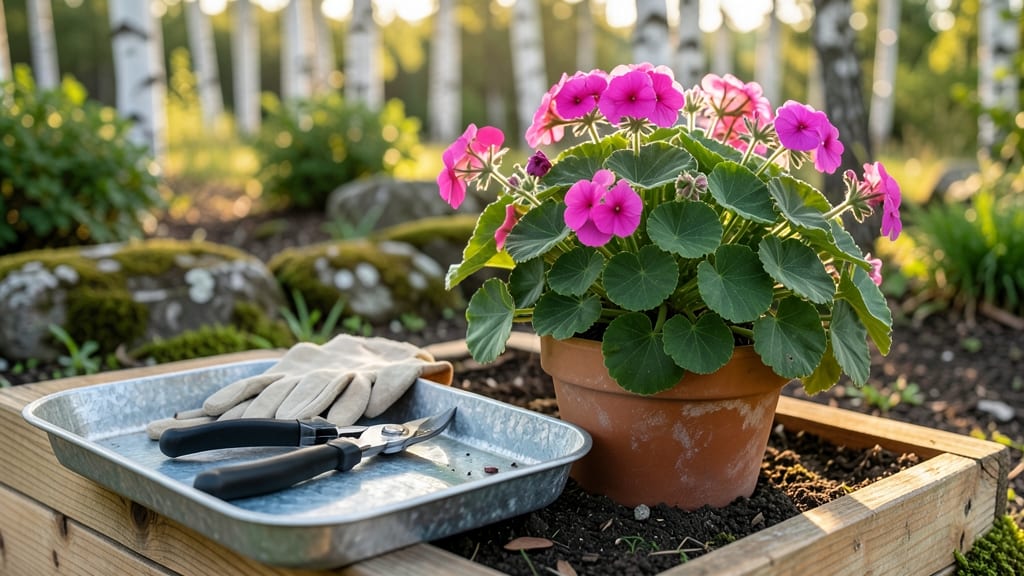
Pruning geraniums in spring is the secret to vibrant blooms that last all summer—if you do it right. 🌸 I’ve watched leggy, sparse plants transform into bushy, flower-covered powerhouses after just a few strategic cuts. The key? Timing and technique matter more than how much you trim.
Start pruning after the last frost when new growth appears—usually early spring—but avoid cutting back too late, or you’ll delay summer blooms. Grab sharp pruners (sterilized with rubbing alcohol) and focus on removing 1/3 of the plant’s height, cutting just above leaf nodes.
This encourages branching, not just taller stems.
You’ll see thicker foliage and more flowers by mid-summer, with plants that look fuller and healthier. The trick is patience: resist the urge to prune again until after the first flush of blooms fades. Over-pruning stresses geraniums, while late cuts reduce flowering time.
Works for both zonal geraniums (hardy types) and pelargoniums (tender varieties). Just adjust timing slightly for your climate—cooler regions may need to wait until late April or May. Let’s get those blooms going!
📚 In This Guide
- What you need
- Instructions
- Tips and common mistakes
- Wrapping up and next steps
What you need
- ● Sharp pruning shears – Bypass pruners (for clean cuts) or anvil pruners (for thicker stems). Quantity: 1 pair (sterilized with rubbing alcohol).
- ● Gloves – Garden gloves (nitrile or leather) to protect hands from thorns and sap. Quantity: 1 pair.
- ● Disinfectant – Rubbing alcohol (70%+) or bleach solution (1 part bleach to 9 parts water) to sterilize tools between cuts. Quantity: Small bottle or spray.
- ○ Pruning saw (optional but helpful) – For thick, woody stems over ½ inch in diameter. Quantity: 1 (if needed).
- ● Garden twine or rubber bands – To secure large branches if you’re doing heavy pruning. Quantity: Small roll or pack.
- ● Trash bag or compost bin – For removing pruned debris. Quantity: 1-2 bags (depending on plant size).
- ● Choose the right time – Prune after the last frost but before new growth (early to mid-spring, typically March–May, depending on your climate zone).
- ● Assess plant health – Look for dead, diseased, or crossing branches to prioritize removal.
- ● Water the geraniums 1–2 days before pruning – This reduces stress on the plant during cutting.
- ● Work on a dry, sunny day – Ideal conditions for faster healing and visibility.
- ● Plant food or fertilizer – Balanced 10-10-10 or bloom booster to nourish the plant post-pruning. Quantity: Small bag or liquid concentrate.
- ● Mulch – Organic mulch (straw, shredded bark) to retain moisture and protect roots. Quantity: 2–3 inches spread around the base.
- ● Hand lens or magnifying glass – For inspecting small buds or pests up close.
- ● Plant markers – If you’re propagating cuttings, label them with plant tags.
Instructions: when and how to prune geraniums in spring
Spring is the perfect time to refresh your geraniums—here’s how to do it without sacrificing next season’s blooms.
⏰ Step 1: Time Your Pruning for Peak Growth
Wait until after the last frost when nighttime temperatures stay consistently above 45°F. Pruning too early stresses plants still recovering from winter dormancy. I like to wait until late April or early May in most climates—just as new growth begins.
Look for fresh pinkish buds at the base of stems and 1-2 inches of new leaf growth. These are your cues that the plant is ready. If you prune too soon, you’ll stunt flowering and weaken the plant’s ability to handle summer heat.
✂️ Step 2: Cut Back Strategically for Shape and Health
Use clean, sharp pruners to trim back one-third of the plant’s height, cutting just above a set of healthy leaves or buds. Avoid cutting into old, woody stems—this encourages dead growth. I always make cuts at a 45-degree angle to prevent water from pooling on the stem.
Shape the plant into a rounded bush rather than a flat top. This improves airflow and sunlight penetration, which reduces fungal diseases like powdery mildew. Remove any dead, yellowed, or crossing branches first—they compete for nutrients and invite pests.
🌿 Step 3: Encourage Bushier Growth with Pinching
After the main pruning, pinch off the top set of leaves on each remaining stem to stimulate branching. This is where geraniums get their classic full, lush shape. I do this in two stages: first after the initial pruning, then again in late May if growth looks leggy.
Watch for new side shoots emerging within 2-3 weeks. These will become your flowering stems. If you skip pinching, you’ll end up with tall, sparse plants that flop over in summer. A little effort here means more blooms and stronger stems later.
💧 Step 4: Support Recovery with Water and Fertilizer
Water deeply right after pruning to help the plant recover. Geraniums are drought-tolerant, but new growth needs consistent moisture for the first 2-3 weeks. Let the top inch of soil dry out between waterings to avoid root rot.
Feed with a balanced, water-soluble fertilizer (10-10-10) at half strength one week after pruning. This jumpstarts growth without overwhelming the plant. I repeat this every 4-6 weeks through summer to maintain vibrant blooms.
☀️ Step 5: Monitor for Stress and Adjust Light
Place pruned geraniums in bright, indirect light for the first week to reduce stress. If you notice yellowing leaves, it’s a sign of too much direct sun or overwatering. Move them to a sheltered spot until new growth hardens off.
Once fully recovered, geraniums thrive in full sun (6+ hours daily). You’ll know they’re happy when new leaves are deep green and stems are firm. By mid-summer, you should see continuous blooms—proof your pruning paid off.
Tips & tricks for perfect spring geranium pruning
Here's what nobody tells you about pruning geraniums that'll make all the difference in your plant's health and blooms.
Timing is Everything: The 45°F threshold isn't just a number—it's when geraniums truly wake up from dormancy. I've seen plants pruned too early (before this temp) struggle all summer. Use a thermometer if you're unsure, especially in cooler climates. The pinkish buds and 1-2 inches of new growth are your visual confirmation that the plant is ready, not just the calendar date. This timing ensures you're not cutting into next season's blooms.
The Cutting Angle Matters: That 45-degree angle isn't arbitrary—it creates a larger surface area for water absorption while preventing water from pooling on the stem, which could lead to rot. I've learned this the hard way after losing plants to fungal infections from improper cuts. Sterilize your pruners with rubbing alcohol between cuts to prevent disease spread, especially when dealing with multiple plants.
Pinching Pays Off: The two-stage pinching process (immediately after pruning and again in late May) is where geraniums truly transform. I've seen plants go from sparse to lush just by committing to this step. Watch for those new side shoots within 2-3 weeks—they're your promise of stronger stems and more blooms. If you skip pinching, you'll miss out on that classic bushy shape and may end up with floppy plants by summer.
Fertilizer Timing: That first feeding of half-strength 10-10-10 fertilizer one week after pruning is crucial for recovery. I've found that geraniums respond beautifully to this timing—it gives them the nutrients they need without overwhelming their system. The 4-6 week interval through summer keeps them blooming continuously, but don't forget to reduce to half-strength to avoid burning the roots. The key is consistency, not excess.
Pro Tips for Can I Prune Geraniums In Spring
- Here's what nobody tells you about pruning geraniums that'll make all the difference in your plant's health and blooms.
- Timing is Everything: The 45°F threshold isn't just a number—it's when geraniums truly wake up from dormancy. I've se...
- The Cutting Angle Matters: That 45-degree angle isn't arbitrary—it creates a larger surface area for water absorption...
Frequently asked questions
Got questions about pruning geraniums in spring? You’re not alone! Here are answers to the most common concerns—so you can confidently refresh your plants and keep them thriving.
Can I prune geraniums too early in spring?
Wait until after the last frost (when soil warms to at least 50°F) before pruning. Early cuts can shock tender new growth or invite cold damage. If your climate is mild, aim for late March or April.
How much should I trim back geraniums in spring?
Cut back one-third to half of the plant’s height, focusing on leggy stems and spent blooms. Avoid over-pruning—geraniums bounce back best with a balanced trim. Deadhead faded flowers too for continuous blooms!
What if my geraniums look wilted after pruning?
Wilting is normal for 24–48 hours post-prune as the plant redirects energy. Water deeply (but don’t overdo it) and place in bright, indirect light. If wilting persists beyond 3 days, check for root rot or pests.
Can I prune geraniums in containers differently?
Container geraniums need the same rules, but monitor soil moisture more closely—they dry out faster. Trim stems at a 45° angle just above a leaf node to encourage bushier growth. Repot if roots are crowded!
What if I missed spring pruning? Can I still do it later?
Yes! Prune anytime before late summer (by August in most zones). Avoid heavy cuts after mid-summer—the plant may not have enough time to regrow before winter. Light trims for shape are fine, though.
Wrapping up and next steps
Pruning your geraniums in spring is a game-changer for lush, vibrant blooms—just time it right and wield your shears with confidence! 🌸 With the proper technique, you’ll encourage bushier growth, prevent legginess, and enjoy a showstopping display all season.
Now that you’re armed with the know-how, grab those tools and give your plants the TLC they deserve.
Ready to transform your garden? Start by inspecting your geraniums this week—early spring is your best bet! For extra flair, check out our pro tips on deadheading and fertilizing to keep those flowers coming.