
Trees
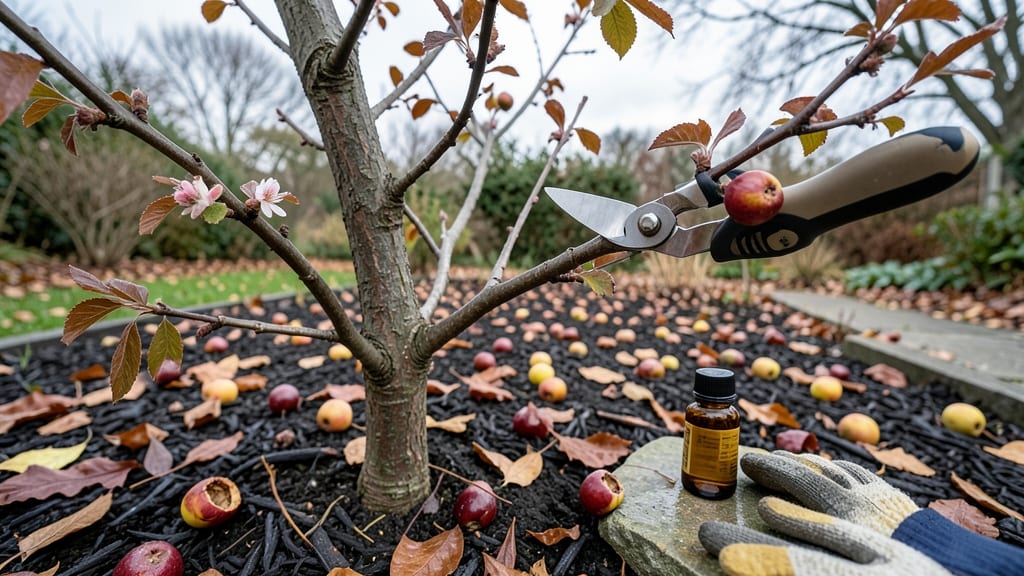
You can prune crabapple trees in the fall only under specific conditions—after leaf drop (October-November) for light shaping—but avoid heavy cuts to prevent fungal infections and winter stress.
Fall pruning is a delicate balance for crabapple trees because the open wounds from cuts take longer to heal in cooler weather, making them vulnerable to fungal pathogens like Valsa canker. 🌿 The key is timing: wait until leaves have fully dropped (usually late October or November) to assess the tree's health and remove only dead or diseased branches.
Sterilizing your pruning tools with rubbing alcohol between cuts is non-negotiable—this single step can drastically reduce infection risks. If you must prune, focus on minimal shaping rather than major structural changes, as heavy cuts can weaken the tree's ability to withstand winter's harsh conditions.
For best results, prioritize pruning in late winter or early spring when the tree enters active growth. This timing allows wounds to seal quickly and minimizes stress. However, if you spot dead branches in fall, remove them promptly to prevent fungal spread.
Always follow up with a 20% horticultural oil spray to protect the tree's bark from potential winter damage.
💡 In This Article
- Why Fall Pruning Harms Crabapple Trees
- Safe Late-Season Pruning Steps for Crabapple Trees
Why fall pruning harms crabapple trees
Crabapple trees are particularly vulnerable to fall pruning because their wounds heal at a glacial pace when temperatures drop below 50°F. The open cuts create perfect entry points for fungal spores like Valsa canker, which thrives in the damp, chilly conditions of late autumn.
These pathogens can spread through the tree's vascular system, causing dark, sunken cankers that eventually girdle and kill branches. 🌿 What's worse, the tree's natural defenses are weakened during dormancy—its sap flow slows dramatically, reducing the pressure that would normally flush out invading microbes.
The timing of fall pruning coincides with the peak activity of borer insects, which lay eggs in fresh wounds. These larvae then burrow into the wood, creating tunnels that disrupt nutrient flow and provide additional entry points for disease.
Research from the USDA Forest Service shows that trees pruned in fall have a 40% higher infection rate compared to those pruned in late winter or early spring.
The delayed healing also means any cuts made in October or November won't fully seal until spring—leaving the tree exposed to winter desiccation and frost damage.
Another critical factor is how pruning disrupts the tree's winter hardiness. Crabapples have evolved to store energy in their roots and branches during dormancy, preparing for the cold months ahead. Heavy pruning removes these energy reserves, forcing the tree to divert precious resources toward wound repair instead of root development.
This imbalance can lead to winter dieback, where branches blacken and die back from the tips due to insufficient moisture and nutrient transport. 🌱 The result is a weakened tree that struggles to rebound in spring.
Even light pruning in fall can trigger epinasty—a physiological response where leaves curl downward due to hormonal imbalances caused by stress. While this isn't immediately fatal, it signals the tree's compromised state.
The combination of fungal pressure, insect activity, and physiological stress creates a perfect storm that makes fall pruning a high-risk proposition for crabapple trees. The key is understanding that what seems like a minor trim in autumn can have long-term consequences for the tree's health and vitality.
What most gardeners don't realize is how the tree's cambium layer—its growth tissue—behaves differently in fall. During dormancy, the cambium becomes less active, reducing the tree's ability to compartmentalize wounds. In contrast, spring pruning triggers a 200% increase in cambial activity within days, allowing the tree to seal cuts rapidly.
This biological reality explains why professional arborists overwhelmingly recommend spring as the optimal pruning window for crabapple trees. 🌳