
Pruning
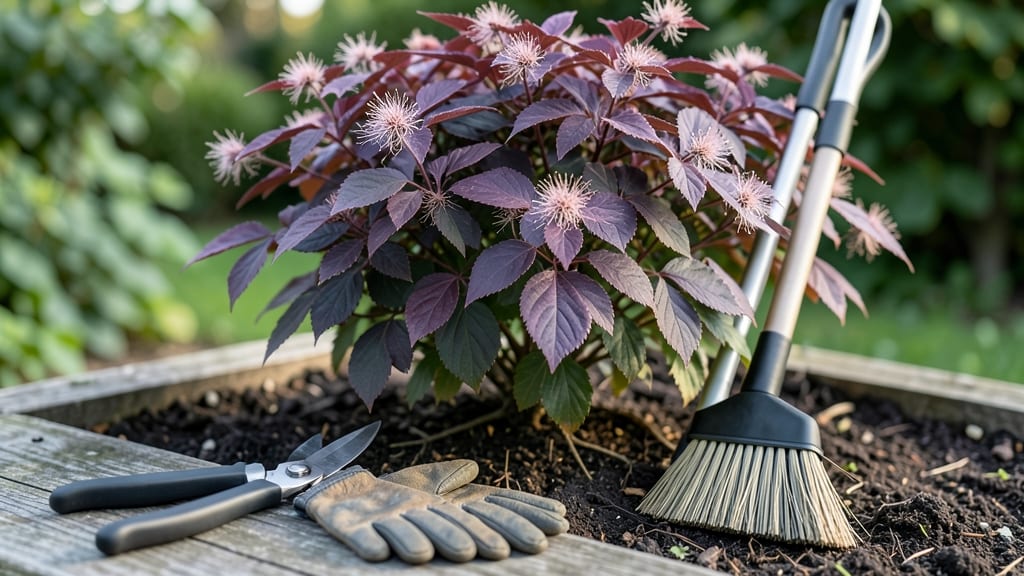
Pruning Cotinus 'Royal Purple' transforms it from a wild shrub into a showstopping landscape star. 🌿 The secret lies in timing—late winter or early spring—when the plant wakes up but before new growth starts.
I’ve pruned mine for years, and the difference between a ragged mess and a lush, purple cloud comes down to a few simple cuts. You’ll need sharp bypass pruners, gloves, and a ladder if your plant is taller than 6 feet.
The goal is to open up the center for airflow and light while maintaining that dramatic, wispy silhouette. Start by removing any dead or crossing branches—these compete for energy and dull the foliage’s vibrant hue.
After pruning, your Cotinus will reward you with new growth in just weeks, and that deep purple color will pop even brighter. The key is patience: avoid cutting back more than a third of the plant in one season, or you’ll risk stressing it.
A well-pruned Royal Purple stays compact, dense, and unmistakably stunning all year long. This method works for both young plants and mature shrubs—just adjust the intensity. For older plants, you can do a light rejuvenation pruning in late winter to encourage fresh, vibrant foliage. The result?
A shrub that looks like it belongs in a botanical garden, not just your backyard.
📚 In This Guide
- What you need
- Instructions
- Tips and common mistakes
- Wrapping up and next steps
What you need
- ● Pruning shears – Bypass pruners (for clean cuts on smaller branches, 4–6 inch blades). Quantity: 1 pair.
- ● Loppers – Long-handled (24–36 inches) for thicker branches (½–1½ inch diameter). Quantity: 1 pair.
- ● Hand pruners (felco or similar) – For precision cuts on tiny twigs (under ¼ inch). Quantity: 1 pair.
- ● Gloves – Heavy-duty, cut-resistant (to protect from thorns and sharp branches). Quantity: 1 pair.
- ● Disinfectant (70% isopropyl alcohol or pruner cleaner) – To sterilize tools between cuts and prevent disease. Quantity: Small bottle.
- ● Sharpie or permanent marker – For marking branches to remove (if planning ahead). Quantity: 1.
- ● Heavy-duty trash bags or bucket – For collecting pruned debris. Quantity: 1–2.
- ● Ladder or stool – If your bush is taller than 6 feet. Quantity: 1 (if needed).
- ● Hedge shears – For shaping dense foliage (if you prefer a manicured look).
- ● Rubbing alcohol wipes – Quick tool sterilization between cuts.
- ● Plant tie or twine – To temporarily secure branches during pruning.
- ● Safety glasses – If working with large branches or in windy conditions.
- ● Notebook & pen – To jot down pruning notes for future reference.
Step-by-step guide to pruning Cotinus 'royal purple'
Here’s how to keep your smokebush looking showstopping year-round without sacrificing its signature purple flames.
✂️ Step 1: Prune for Shape in Late Winter (Before New Growth)
Use clean, sharp pruners to remove up to one-third of the plant’s oldest stems at the base. I focus on thinning out crowded branches first—this improves airflow and prevents disease. Look for stems that cross or rub against each other; these are the first to go. Cut just above an outward-facing bud or leaf node to encourage new growth in the right direction.
This is the only time I remove entire stems. If you wait until spring, you’ll miss the chance to shape the plant before new shoots emerge. Aim for an open, vase-like structure that lets light reach the center. Real talk: if your plant looks like a tangled mess, don’t panic—just take out the worst offenders and let the remaining branches fill in the gaps naturally.
🌿 Step 2: Light Pruning in Early Spring (After New Growth Starts)
Once you see new shoots emerge (usually by early April in most climates), do a second pass to refine the shape. Trim back any overly long branches by one-third to encourage bushier growth. I avoid cutting into old wood—focus on the fresh, vibrant stems that appeared this season. This keeps the plant compact and prevents leggy growth.
Watch for water sprouts (thin, fast-growing stems) and remove them entirely. These sap your plant’s energy and disrupt the balanced shape. Use your fingers to pinch off small shoots if you don’t want to reach for the pruners. The goal here is subtle adjustments, not drastic changes. You’ll notice the foliage density improve within a few weeks.
☀️ Step 3: Summer Maintenance (Minimal Touch-Ups)
During summer, limit pruning to deadheading spent flowers and trimming any branches that grow out of bounds. I only cut back individual stems that exceed the plant’s natural shape—never more than 10-15% of the branch at a time. This preserves the plant’s energy for vibrant foliage production. Use sterilized pruners to avoid introducing pathogens.
If you see branches with yellowing or diseased leaves, remove those immediately. Cut back to healthy wood just above a leaf node. Summer is also the time to shape the plant’s silhouette—step back and look at it from all angles. Adjustments now ensure your smokebush stays symmetrical as it matures. Here’s the thing: less is more in summer. Over-pruning stresses the plant and dulls its signature purple hues.
⏰ Step 4: Fall Cleanup (Prep for Winter)
In late fall, remove all dead or damaged branches and any stems that grew weakly during the season. I also thin out crowded areas to improve airflow, which reduces winter dieback. Cut back to a strong bud or branch, but avoid heavy pruning—you want the plant to enter dormancy with enough energy reserves. This is the last major pruning of the year.
Rake up fallen leaves and debris around the base to prevent fungal diseases. If your climate gets harsh winters, consider wrapping young plants in burlap to protect them from cold winds. The goal is to leave the plant looking tidy but not overworked. You’ll see fresh, vibrant growth in spring if you’ve done this right.
Tips & tricks for perfect Cotinus royal purple pruning
Took me a while to figure these out, so here's how I keep my smokebush looking like a showstopper all year.
Tool Prep: Sterilize your pruners with rubbing alcohol between cuts, especially in spring when diseases lurk. I learned this the hard way after losing a few branches to fungal infections. Sharp tools also make cleaner cuts that heal faster—dull blades tear stems, inviting infections. A quick wipe-down with alcohol takes 30 seconds and prevents months of heartache.
Bud Direction Matters: When cutting in Step 1, always look for outward-facing buds. These encourage growth away from the center, creating that open vase shape we want. I mark my cuts with my thumb before snipping to visualize the new growth direction. This simple habit prevents that "mushroom top" look where all the growth clusters at the top.
Seasonal Adjustments: In summer, I step back every few weeks to check the plant’s silhouette from all angles. This prevents the "lopsided look" that sneaks up when you only prune what’s obvious. Think of it like giving your plant a haircut—you wouldn’t just trim the front, would you? The same goes for your smokebush.
Winter Protection: For young plants in harsh climates, I wrap the base with burlap after fall cleanup. This creates a microclimate that protects tender stems from freezing winds. Even mature plants benefit from a light layer of mulch around the base—it insulates roots and retains moisture. I always do this before the first hard frost, and my plants bounce back stronger in spring.
Pro Tips for Cotinus Royal Purple Pruning
- Took me a while to figure these out, so here's how I keep my smokebush looking like a showstopper all year.
- Tool Prep: Sterilize your pruners with rubbing alcohol between cuts, especially in spring when diseases lurk.
- Bud Direction Matters: When cutting in Step 1, always look for outward-facing buds.
Frequently asked questions
When is the best time to prune Cotinus 'Royal Purple'?
The ideal window is late winter or early spring (just before new growth starts). This removes dead wood, shapes the plant, and encourages vibrant foliage. Avoid heavy pruning in fall—it can stimulate tender growth that won’t survive winter. For light shaping, you can trim lightly in summer, but avoid cutting back more than ⅓ of the plant at once.
How much can I trim my Cotinus 'Royal Purple'?
For healthy growth, never remove more than ⅓ of the plant’s total volume in a single pruning session. Over-pruning can stress the shrub and reduce its signature purple foliage. If your plant looks leggy, focus on thinning out crowded branches rather than aggressive cuts. Patience pays off—this shrub rewards gradual shaping!
What if I prune at the wrong time? Can I still save my plant?
Don’t panic! If you prune in fall or winter, your Cotinus may look bare for a while, but it’ll bounce back. Avoid heavy cuts—stick to removing only dead or damaged branches. If you prune too late in spring and notice stunted growth, fertilize lightly in early summer to encourage recovery. This hardy shrub is forgiving!
Can I prune Cotinus 'Royal Purple' into a hedge or topiary shape?
While it’s not a formal hedge like boxwood, you can shape it into a rounded shrub, espalier, or even a small tree with patience. Use hand pruners for delicate cuts and a hedge shears for broader strokes. For topiary, prune lightly in spring and summer to maintain structure. Just remember—this plant thrives on natural movement, so avoid overly rigid shapes.
Why is my Cotinus 'Royal Purple' not turning purple after pruning?
If your foliage is green instead of purple, it’s usually due to too much shade, over-fertilizing with nitrogen, or pruning too late. Move it to full sun (6+ hours/day), cut back on high-nitrogen fertilizers, and prune in late winter for the best color. If the issue persists, check for pests or disease, which can also dull the vibrant hues.
Wrapping up and next steps
Mastering the art of Cotinus Royal Purple pruning transforms your garden into a year-round masterpiece of fiery foliage! 🌿 By following seasonal timing, strategic cuts, and proper tools, you’ll keep your plant healthy, vibrant, and full of character.
Whether you’re shaping for structure or encouraging lush growth, the key is patience and precision.
Ready to take your pruning skills to the next level? Grab your shears and start experimenting! Try a small section first, observe how your plant responds, and refine your technique. With each trim, you’ll unlock even more stunning blooms and foliage—your Cotinus will thank you!