
Pruning
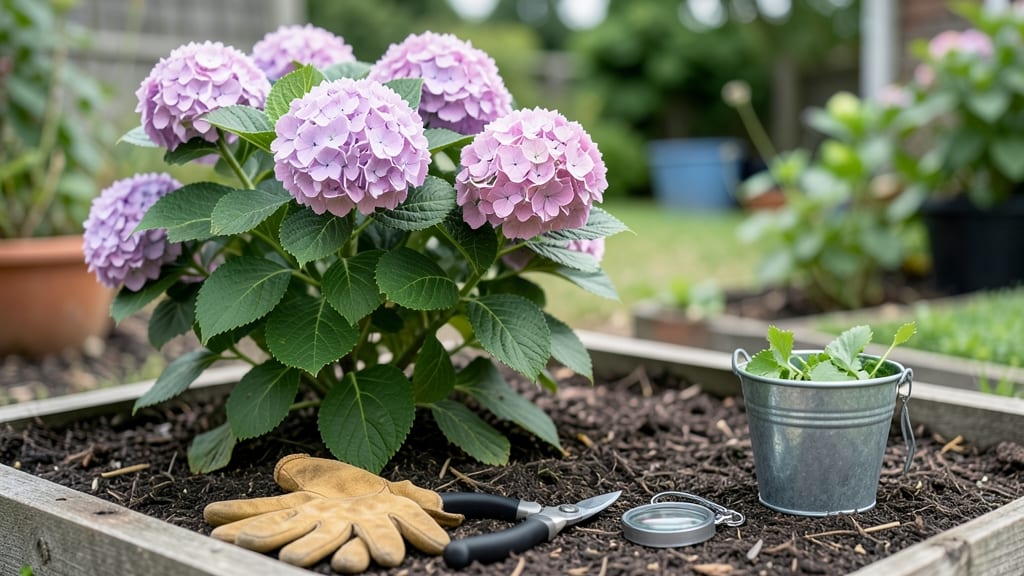
Pruning Endless Summer hydrangeas transforms one season of blooms into a year-round show. ✂️ I used to dread pruning these beauties until I discovered the simple timing trick that keeps my plants covered in flowers from spring until frost.
The secret lies in understanding when and how to cut—because doing it wrong can leave you with bare stems for months.
Most gardeners prune too late or cut back too hard, but Endless Summer hydrangeas bloom on both old and new wood. That means you can shape them in late winter without sacrificing next year's flowers.
Grab your pruners and a pair of gloves, and we'll get those stems looking like a professional's work in just 30 minutes—no green thumb required.
After pruning, your hydrangeas will reward you with vibrant green new growth within weeks, followed by clusters of blooms that start small and grow larger all season. The key is making clean cuts just above a set of leaves or buds, and we'll walk through exactly where to stop.
No more guessing—just confident pruning that guarantees blooms.
This method works equally well for container-grown plants or garden beds, and the same principles apply whether you're dealing with one plant or a whole hedge. Once you master this, your hydrangeas will be the envy of the neighborhood—without the stress of complicated pruning rules.
📚 In This Guide
- What you need
- Instructions
- Tips and common mistakes
- Wrapping up and next steps
What you need
- ● Pruning shears: Bypass pruners (sharp, clean, and disinfected with rubbing alcohol or a 10% bleach solution). Size: 5–7 inches for precision.
- ○ Hand pruners (optional backup): Anvil-style (if working with thicker stems, but bypass is preferred for clean cuts).
- ● Gloves: Garden gloves (nitrile or leather for grip and protection from thorns or sap).
- ● Disposable pruning bags or bucket: For collecting debris (1–2 gallon size).
- ○ Hose with nozzle: To clean tools and rinse cuts (optional but helpful).
- ● Rubbing alcohol (70%+) or bleach solution: For sterilizing tools between cuts (1 part bleach to 9 parts water).
- ● Sharpie or permanent marker: To label stems if you’re experimenting with selective pruning.
- ● Loppers: For thicker stems (if your hydrangea has woody growth > ½ inch in diameter).
- ● Knee pads or stool: For comfort if your hydrangea is tall or the ground is hard.
- ● Hydrangea fertilizer: Balanced (10-10-10) or acidic (e.g., 8-3-9) to revive the plant post-pruning.
- ● Mulch: Shredded bark or pine straw to protect roots after pruning.
- ● Pruning sealant: (Not always recommended!) Only use on large cuts (> ½ inch) to prevent disease—skip for small deadheading cuts.
Instructions for pruning Endless Summer hydrangeas
Here’s the simple, foolproof method I use every year to keep my Endless Summer hydrangeas blooming until frost.
✂️ Step 1: Wait Until Late Winter or Early Spring
Prune your Endless Summer hydrangea after the last frost date but before new growth begins. This is usually in late February to early March in most climates. The key is to catch it when buds are still dormant but ready to wake up—you’ll see tight, swollen buds along the stems that haven’t yet softened or lengthened.
If you prune too early, you risk cutting off next year’s blooms. If you wait too long, you’ll remove flower buds that have already formed. I always check the weather forecast and mark my calendar to prune within 1-2 weeks after the last frost date—this gives me a buffer for late-season freezes.
✂️ Step 2: Cut Back to 6-8 Inches Above the Ground
Use clean, sharp pruning shears to cut the entire plant back to a height of 6-8 inches above the ground. This might seem drastic, but Endless Summer hydrangeas are rebloomers—they produce flowers on new wood, so they’ll bounce back stronger than ever. Aim for 3-5 strong stems remaining at the base if your plant is mature.
Make cuts just above a bud or node (the small bump where leaves or branches grow). Avoid leaving stubs—cut at a 45-degree angle about ¼ inch above the bud to prevent water from pooling and rotting the stem. If your plant is leggy or overgrown, you can cut it back even more aggressively—up to 12 inches—but never below the first set of buds.
💧 Step 3: Deadhead Spent Blooms Mid-Season
Once your hydrangeas finish blooming in late summer or early fall, it’s time for a second pruning pass. Snip off only the faded flower heads—don’t cut back the stems. This encourages the plant to focus energy on next year’s blooms instead of seeding. Use clean shears and cut just above the first set of leaves below the dead flower head.
Here’s the trick: Don’t prune after September 1st in most climates. New growth after this date won’t have enough time to harden off before winter. If you live in a warmer zone, you can extend this slightly, but I’ve found that cutting by early October gives my plants enough time to recover without risking frost damage.
☀️ Step 4: Feed and Water for Recovery
After pruning, give your hydrangea a balanced, slow-release fertilizer (like 10-10-10) to support new growth. Water deeply right after pruning to help the plant recover from the shock of cutting back. Over the next 4-6 weeks, keep the soil consistently moist but not soggy—hydrangeas love water but hate wet feet.
You’ll notice new shoots emerging from the base within 2-3 weeks. This is your signal that the pruning worked! If you see yellowing leaves or stunted growth, it might mean your plant needs more phosphorus (look for a fertilizer with higher middle number, like 5-10-5) to encourage blooming. Mulch around the base with 2-3 inches of organic mulch to retain moisture and protect roots from temperature swings.
⏰ Step 5: Monitor for New Growth and Adjust
By late spring, your hydrangea should be showing vigorous new growth with fresh leaves. If some stems are still bare or weak, you can prune them back further in early summer to encourage bushier growth. However, never prune after July 1st—this cuts off the current season’s blooms and weakens the plant.
Watch for new flower buds forming in late spring to early summer. These will be small, tight clusters along the new stems. If you see leggy growth reaching for light, your plant might need more sunlight (6+ hours of direct sun) or a light trim to encourage branching. Endless Summer hydrangeas are forgiving, but consistency in pruning and care keeps them blooming until the first hard frost.
Tips & tricks for perfect Endless Summer hydrangea pruning
Here's what nobody tells you about keeping your Endless Summer hydrangeas thriving year after year.
Timing is Everything: The late February to early March window is critical because Endless Summer hydrangeas bloom on new wood. If you prune too early, you risk cutting off next year's flower buds that are still forming. I learned this the hard way after accidentally pruning in January—my plants barely bloomed that summer. Watch for those tight, swollen buds that haven't yet softened, and you'll know you're in the perfect timing zone. The 1-2 week buffer after last frost gives you flexibility for those unpredictable late-season freezes.
Precision Cutting Technique: When cutting back to 6-8 inches, make your cuts at a 45-degree angle about ¼ inch above a bud or node. This isn't just about aesthetics—it prevents water from pooling at the cut site, which can lead to rot. I always test my pruning shears on a scrap piece of wood first to ensure they're sharp enough for clean cuts. For leggy plants, you can cut back more aggressively (up to 12 inches), but never below those first buds—they're your plant's future blooms!
Deadheading Strategy: The mid-season deadheading in late summer or early fall is where the magic happens for nonstop blooms. Focus only on removing the faded flower heads, not the stems. This redirects the plant's energy from seeding to producing next year's buds. I've found that cutting by early October gives my plants just enough time to recover before winter, especially in cooler climates. Use clean shears each time to prevent spreading disease between cuts.
Recovery Care: After pruning, the 4-6 week recovery period is just as important as the pruning itself. That deep watering right after cutting helps the plant recover from shock, while consistent moisture keeps the roots happy. I always add 2-3 inches of organic mulch to lock in moisture and protect roots from temperature swings. The new shoots emerging within 2-3 weeks are your best indicator that the pruning worked—it's like seeing your plant come back to life!
Pro Tips for Endless Summer Hydrangea Pruning
- Here's what nobody tells you about keeping your Endless Summer hydrangeas thriving year after year.
- Timing is Everything: The late February to early March window is critical because Endless Summer hydrangeas bloom on new wood.
- Precision Cutting Technique: When cutting back to 6-8 inches, make your cuts at a 45-degree angle about ¼ inch above a bud or node.
Frequently asked questions
Got questions about keeping your Endless Summer hydrangeas blooming all season long? Here are some of the most common ones—and their answers!
When is the best time to prune my Endless Summer hydrangea?
Prune your Endless Summer hydrangea right after flowering (late summer to early fall) or early spring before new growth appears. Avoid pruning in late winter, as this can remove next year’s blooms. For deadheading, snip spent blooms throughout the season to encourage continuous flowering.
How much should I trim back my Endless Summer hydrangea?
Light to moderate pruning works best—cut back 1/3 to 1/2 of the oldest stems each year to promote new growth. Avoid heavy pruning (more than 1/2), as this can reduce blooms. Focus on shaping and removing dead or weak stems first.
Can I prune Endless Summer hydrangeas in winter?
It’s not recommended to prune in winter, especially in cold climates. Pruning too early can expose tender growth to frost damage. Wait until late winter or early spring when new buds start to swell, or stick to post-flowering pruning for best results.
What if my Endless Summer hydrangea isn’t blooming after pruning?
If blooms are sparse, check for over-pruning, poor sunlight, or nutrient deficiencies. Ensure it gets at least 6 hours of sun and fertilize in early spring with a balanced, acidic fertilizer. Also, avoid pruning all stems—leave some to support next year’s flowers.
Do I need to deadhead every single flower?
No! Focus on removing only the largest, most spent blooms to redirect energy to new flowers. Over-deadheading can stress the plant. If you miss a few, don’t worry—Endless Summer hydrangeas are forgiving and will still produce blooms.
Wrapping up and next steps
Mastering the art of Endless Summer hydrangea pruning is your ticket to a garden bursting with color all season long! 🌸 By deadheading spent blooms and pruning strategically, you’ve unlocked the secret to nonstop, vibrant flowers—no green thumbs required.
Now that you’re armed with the right tools and techniques, go ahead and give your hydrangeas the TLC they deserve.
Ready to put your new skills into action? Pick a sunny day, grab your pruners, and start trimming! Your garden will thank you with blooms that last from spring to frost.