
Pruning
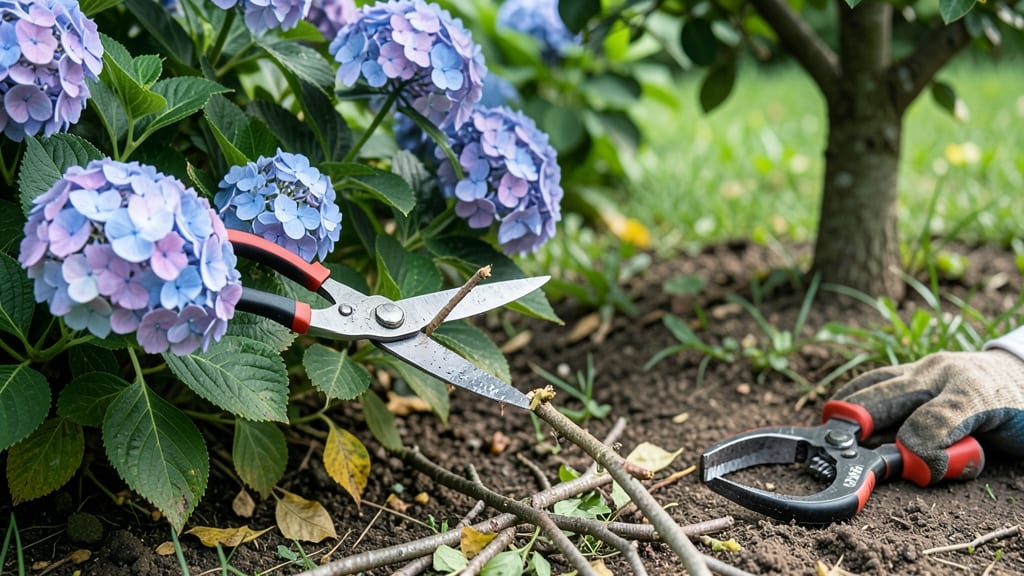
My Felco pruning clippers changed how I prune—clean cuts that heal faster and keep plants thriving. 🌿 The secret isn’t just the sharp blades; it’s the technique that prevents disease and encourages new growth.
I’ve pruned roses, fruit trees, and even my overgrown hydrangeas with these, and the difference is immediate: fewer ragged edges, no torn bark, and plants that bounce back stronger.
Start by making cuts at a 45-degree angle, just above a leaf node or bud. This simple angle directs water away from the wound, speeding up healing. For thick branches, use the bypass mechanism—never force it.
A good pair of Felco clippers should glide through wood like butter, not struggle. I’ve learned the hard way that forcing a cut leads to crushed stems and slower recovery.
After each session, clean the blades with rubbing alcohol to prevent sap buildup and rust. Store them in a dry place, and sharpen them annually for smooth, precise cuts every time. The payoff?
Plants that look healthier, produce more, and stay disease-resistant. My roses now bloom longer, my fruit trees yield bigger harvests, and my hedges stay neatly trimmed without stressing the plants.
Whether you’re pruning perennials, shrubs, or young trees, Felco clippers handle the job with effortless control. The key is patience—take your time, make clean cuts, and avoid over-pruning. Your plants will thank you with stronger growth and fewer problems down the road.
📚 In This Guide
- What you need
- Instructions
- Tips and common mistakes
- Wrapping up and next steps
What you need
- ● Felco Pruning Clippers (e.g., Felco F-2 or Felco Classic): 1 pair (ensure the blade size matches your needs—4.5" (115mm) for small branches, 5.5" (140mm) for medium/large). Check for sharp, stainless steel blades and ergonomic handles for comfort.
- ● Pruning shears or loppers (for thicker branches, 1.5"–2.5" cutting capacity).
- ● Gloves (gardening gloves with reinforced palms for grip and protection).
- ● Disinfectant (70% isopropyl alcohol or bleach solution (1:9 ratio) to sanitize tools between cuts).
- ○ Pruning sealant (optional but recommended for large cuts to prevent disease—e.g., Tree Seal or pruning wax).
- ● Sharpener (Felco-specific blade hone or file to maintain edge).
- ● Bucket or bag (for collecting clippings—1–2 gallon capacity depending on project size).
- ● Extension pole (for hard-to-reach branches, 3–6 ft long).
- ● Safety glasses (to protect eyes from debris).
- ● Knee pads (for comfort during prolonged pruning sessions).
- ● Plant identification guide (app or book to confirm what you’re trimming!).
- ● String or twine (to tie branches post-pruning if needed).
How to use Felco pruning clippers for perfect cuts every time
Here's my go-to method for using Felco pruners to keep plants thriving—no guesswork, just clean, precise cuts that heal properly.
🪴 Step 1: Inspect and Prepare Your Clippers
Before you even touch a plant, check your Felco pruners for sharpness. Run your thumb along the cutting edge—it should glide smoothly without catching. If it feels dull, sharpen with a fine-grit whetstone or take them to a professional sharpener. A dull blade crushes stems instead of making clean cuts, which invites disease.
Oil the pivot screw with light machine oil if it feels stiff. This keeps the blades aligned for years. I like to hold the clippers open with one hand and squeeze the handles firmly to test the spring tension—it should snap back instantly. If it feels sluggish, the spring may need replacement. Store them with the blades open to prevent rust and keep them in a dry place.
✂️ Step 2: Choose the Right Cutting Technique
For most pruning, position the blade just above a bud or branch collar at a 45-degree angle. This creates a larger surface for the wound to seal over. Look for the slight swelling at the base of the branch where it meets the stem—that's the collar. Cutting too close removes protective tissue and exposes the plant to rot.
For thicker branches (up to ½ inch diameter for Felco #2), use the full blade length. For delicate stems or deadheading, use the smaller cutting edge. Never cut when the blade is closed—this pinches the stem and tears tissue. Always open the blades fully before making contact. You'll hear a clean "snap" with proper technique.
☀️ Step 3: Prune at the Right Time for Each Plant
Timing matters more than most gardeners realize. For flowering shrubs like roses, prune just after they finish blooming—this encourages next year's buds to form. For fruit trees, do most pruning during dormant season (late winter/early spring) when the plant isn't actively growing. Evergreens can be shaped anytime, but avoid heavy pruning in late summer to prevent winter dieback.
Watch for visual cues: Prune when you see new growth beginning but before it gets longer than ½ inch. This ensures you're not removing next season's potential. I make a habit of carrying my Felcos in my gardening belt pouch—those perfect pruning moments come and go in minutes. Always clean your blades with rubbing alcohol between cuts on different plants to prevent spreading disease.
🌿 Step 4: Maintain Your Clippers After Use
After pruning, wipe the blades with a clean cloth to remove plant sap. Let them air dry completely before storing—moisture trapped in the hinge will cause rust. I keep a small bottle of mineral oil in my tool shed for occasional maintenance. Apply a drop to the pivot point if you notice any stiffness after several uses.
Sharpen your clippers every 10-15 hours of use or when you notice resistance. A properly maintained Felco will last decades with regular care. I store mine in a padded case when not in use to protect the blades. The key is consistency—just 5 minutes of maintenance after each pruning session keeps them ready for next time.
⏰ Step 5: Recognize When to Upgrade Your Technique
As plants grow, you'll occasionally encounter branches too thick for your Felcos. That's when you'll need loppers or a pruning saw. Felcos typically handle up to ½ inch diameter cleanly, but anything thicker requires different tools. Look for the branch collar even on larger cuts—it's still your target for clean healing.
You'll develop a feel for what each plant needs over time. Some plants like boxwood respond well to frequent light pruning, while others like hydrangeas need more dramatic shaping. Pay attention to how each cut affects the plant's shape and growth pattern. The more you use your Felcos, the more intuitive the process becomes—you'll start recognizing the perfect cutting spots just by looking at the plant's structure.
Tips & tricks for perfect pruning with Felco clippers
These simple tricks will help you get the most out of your Felco pruners and keep your plants thriving for years.
Blade Alignment Matters: Always check blade alignment before pruning by opening the clippers fully and ensuring the blades meet perfectly. Misaligned blades create uneven cuts that tear plant tissue instead of making clean slices. I test alignment by holding the clippers up to a bright light—any gap between the blades means they need adjustment. This small step prevents jagged wounds that invite disease.
Angle Practice: That 45-degree angle in Step 2 isn't just theory—it's critical for plant health. Practice on scrap wood first to get comfortable with the pressure needed. Too shallow, and you'll leave a stub; too steep, and you'll cut into the branch collar. Aim for a cut where the top edge is slightly longer than the bottom edge when viewed from the side. This creates maximum healing surface area.
Seasonal Timing: The dormant season timing in Step 3 is non-negotiable for most plants, but here's the pro move: mark your calendar for the full moon in late winter—this is when many trees naturally flush with new growth. Pruning at this time gives you the best window to shape without stressing the plant. For flowering shrubs, wait until you see the first few blooms fade before pruning to preserve next year's flowers.
Maintenance Shortcuts: Don't wait until your clippers feel dull to sharpen—make it a habit to run a whetstone along the blades after every 5 minutes of use during pruning sessions. I keep a small sharpening kit in my gardening belt pouch. The 10-15 hour maintenance guideline is perfect, but remember that sap buildup can dull blades faster. A quick wipe-down after each use extends the time between sharpenings significantly.
Pro Tips for Felco Clippers Pruning
- These simple tricks will help you get the most out of your Felco pruners and keep your plants thriving for years.
- Blade Alignment Matters: Always check blade alignment before pruning by opening the clippers fully and ensuring the blades meet perfectly.
- Angle Practice: That 45-degree angle in Step 2 isn't just theory—it's critical for plant health.
Frequently asked questions
Got questions about using Felco pruning clippers? You’re not alone!
Whether you're a gardening newbie or a seasoned pro, these Frequently Asked Questions will help you master precision pruning like a pro.
What makes Felco clippers better than regular scissors or shears?
Felco pruning clippers are designed specifically for gardening with bypass blades that cut cleanly without crushing stems. Unlike scissors, they handle thicker branches (up to 2.5" for the F-2), reduce disease spread with sterilizable blades, and offer ergonomic comfort for long pruning sessions. Plus, their precision promotes faster healing in plants!
When is the best time to prune with Felco clippers?
The ideal timing depends on your plant:
- Fruit trees/shrubs: Prune late winter/early spring (before buds swell) for summer-bearing varieties, or immediately after harvest for fall-bearing.
- Flowering plants: Trim after blooming to encourage next year’s flowers (except spring-bloomers like lilacs—prune right after flowering).
- Evergreens:** Prune late winter to avoid stressing the plant during active growth.
Pro tip: Avoid heavy pruning in extreme heat or cold—plants heal best in mild weather!
Are Felco clippers worth the investment over cheaper alternatives?
While budget clippers may work for light tasks, Felcos last decades with proper care (oiling, sharpening, and storage). Their durability, precision cuts, and reduced plant stress save time and money long-term. Think of them as an investment in your garden’s health—like a chef’s knife for plants!
How do I sharpen or maintain my Felco pruning clippers?
Keep your Felcos in top shape with these steps:
- Clean after use: Wipe blades with rubbing alcohol to prevent rust.
- Oil regularly: Apply a few drops of mineral oil to the pivot screw and blades every few uses.
- Sharpen annually: Use a Felco sharpening file (or a triangular file) to maintain the blade edge. Follow the manufacturer’s guide for angles.
- Store properly: Hang them or store in a dry place to prevent blade damage.
Pro tip: If blades feel dull, stop cutting—dull clippers tear stems, causing more harm than good!
Can I use Felco clippers for non-gardening tasks (e.g., trimming branches indoors)?
While Felco clippers are ideal for plants, they can handle light indoor tasks like trimming houseplant stems or small branches (within their size limit). However, avoid cutting thick wood, metal, or frozen branches—these can damage the blades. For non-gardening jobs, consider a dedicated pair to extend your Felco’s lifespan!
Wrapping up and next steps
Mastering the art of pruning with Felco clippers isn’t just about trimming—it’s about nurturing your plants for long-term vitality. 🌱 Whether you’re a seasoned gardener or just starting, these precision tools make the job easier, cleaner, and more effective.
With the right technique, you’ll encourage stronger growth, better blooms, and a thriving garden all year round.
Ready to take your green thumb to the next level? Grab your Felco clippers, head outside, and start pruning with confidence! Your plants—and your future harvests—will thank you.