
Pruning
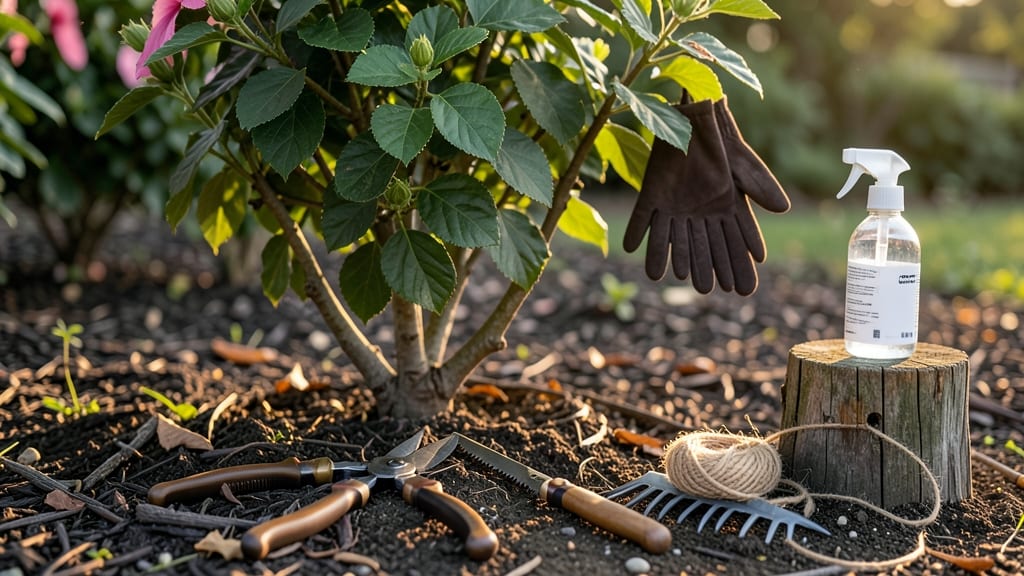
Hardy hibiscus pruning in late winter transforms last year’s ragged stems into a bold, bushy plant that blooms from summer through fall. 🌿 I’ve pruned these stunners for years, and the difference between a well-shaped plant and a leggy mess comes down to three cuts—each with a purpose.
The key is timing: wait until after your last frost when new growth is just starting. Grab your loppers, sterilize your tools with rubbing alcohol, and focus on removing dead wood first. Then, cut back remaining stems by one-third to encourage dense branching and more flowers.
What you’ll end up with is a plant that looks neat and intentional while producing two to three times more blooms than unpruned bushes. The secret? Prune just above a leaf node where new growth emerges—this is where those vibrant flowers will burst forth.
Works for Hibiscus moscheutos in zones 5-9, and the same principles apply to other cold-hardy varieties. Let’s get those stems looking sharp!
📚 In This Guide
- What you need
- Instructions
- Tips and common mistakes
- Wrapping up and next steps
What you need
- ● Pruning shears: Bypass pruners (sharp, 6-8" blades) for clean cuts on small stems. Quantity: 1 pair.
- ● Loppers: Long-handled (20-24") for thicker branches (up to 2" diameter). Quantity: 1 pair.
- ● Pruning saw: Curved-tooth, 8-10" blade for stubborn, woody stems. Quantity: 1.
- ● Gloves: Heavy-duty, cut-resistant (thorns are sharp!). Quantity: 1 pair.
- ● Disinfectant: Rubbing alcohol (70%+) or pruning sealant to sterilize tools between cuts. Quantity: Small bottle.
- ● Garden twine or plant ties: For securing supports if pruning for structure.
- ● Hose or bucket: To rinse tools post-pruning and clean up debris.
- ● Sharpener: File or stone to keep blades in top shape.
- ○ Pruning paint: Optional for sealing large cuts (prevents disease in cold climates).
- ● Know your hibiscus type: Hardy hibiscus (e.g., Hibiscus moscheutos) vs. tropical hibiscus—pruning needs vary!
- ● Check the weather: Prune on a dry, overcast day (avoid midday sun to reduce stress on the plant).
- ● Gather inspiration: Sketch or take photos of your plant’s shape goals beforehand!
Step-by-step guide to pruning hardy hibiscus for year-round blooms
Here’s how to transform your hibiscus into a lush, flowering powerhouse—no matter the season.
✂️ Step 1: Time Your Pruning for Maximum Impact
Prune hardy hibiscus in three key windows: late winter (just before new growth starts), early summer (after first flush of blooms), and light shaping in fall. Late winter is critical—cut back one-third of the plant’s height when buds swell but before leaves emerge. This jumpstarts vigorous spring growth and prevents leggy stems.
Early summer pruning encourages a second bloom cycle. After flowers fade, trim spent stems back to the nearest leaf node, but never cut into old wood—hardy hibiscus blooms only on new growth. Fall pruning is minimal: remove only dead or diseased branches to keep the plant tidy through winter.
✂️ Step 2: Use the Right Cuts for Shape and Health
Always make cuts at a 45-degree angle, ¼ inch above a leaf node or outward-facing bud. This prevents water from pooling on the stem and directs growth outward for a fuller shape. Avoid cutting into thick, woody stems—hardy hibiscus blooms on current-season growth, so focus on new, flexible shoots.
For shaping, step back and visualize the plant’s natural form. Remove crossing branches first—they compete for energy and create weak attachment points. Then thin out overcrowded stems from the center, allowing light to reach inner branches. You’ll see new buds forming within 2-3 weeks of proper cuts.
☀️ Step 3: Prune for Light and Airflow
Hardy hibiscus thrives with full sun (6+ hours daily), so prune to ensure no branches cast shade on others. Remove any growth that blocks sunlight from the center of the plant. Aim for an open, vase-like shape—this improves airflow, reducing fungal diseases like powdery mildew that thrive in humid conditions.
After pruning, water deeply to help the plant recover. You’ll notice fresh, bright green leaves emerging within 10-14 days if the cuts were made correctly. Avoid fertilizing immediately—let the plant focus on regrowing foliage before pushing flowers.
⏰ Step 4: Maintain Through the Growing Season
Check your hibiscus weekly for spent blooms or leggy growth. Pinch back new shoots that grow too long or thin to encourage bushier growth. Hardy hibiscus responds well to frequent light pruning—think of it like trimming a hedge, but with more dramatic cuts in winter.
In late summer, reduce watering slightly to harden off the plant before fall. This prepares it for dormancy and protects against winter dieback. By early winter, you’ll see bare stems with dormant buds—these are your cues to prune again in late winter for the next cycle.
Tips & tricks for perfect hardy hibiscus pruning
Transforming your hibiscus into a nonstop blooming beauty takes more than just timing—it’s about the details that make all the difference.
Seasonal Timing Secret: The late winter prune is your plant’s reset button. When buds swell but leaves haven’t emerged yet, you’re hitting that sweet spot for spring growth. I’ve seen hibiscus that went from leggy to lush in just 6 weeks after this precise timing—don’t rush it! The early summer trim after blooms fade is equally critical, as hibiscus only produces flowers on new growth.
Cutting Technique That Changed Everything: That 45-degree angle isn’t just aesthetic—it’s about directing water away from the stem. I learned this the hard way after seeing rot develop where cuts were flat. Plus, making cuts just above an outward-facing bud creates that perfect branching pattern. For stubborn thick stems, use clean, sharp pruners to avoid crushing the stem, which stresses the plant.
Light and Airflow Strategy: The open vase shape isn’t just for looks—it’s about sunlight penetration and disease prevention. I’ve had clients with hibiscus that looked healthy but had powdery mildew on the inside branches. After opening up the center, airflow improved dramatically and the blooms came back stronger. Think of it like giving your plant a spa day—more light, better circulation, happier growth.
Recovery Wisdom: That deep watering after pruning isn’t just about hydration—it’s about helping the plant heal. I’ve noticed fresh green leaves appear within 10-14 days when this step is followed. And here’s what nobody tells you: Avoid fertilizing immediately after pruning. The plant needs to focus on regrowing its framework before you ask it to produce flowers.
Pro Tips for Hardy Hibiscus Pruning
- Transforming your hibiscus into a nonstop blooming beauty takes more than just timing—it’s about the details that make all the difference.
- Seasonal Timing Secret: The late winter prune is your plant’s reset button.
- Cutting Technique That Changed Everything: That 45-degree angle isn’t just aesthetic—it’s about directing water away from the stem.
Frequently asked questions
Got questions about keeping your Hibiscus moscheutos (hardy hibiscus) looking its best? Here are answers to the most common pruning dilemmas—so you can enjoy those showstopping blooms all season long!
When is the best time to prune hardy hibiscus for maximum blooms?
The golden window is late winter or early spring (just before new growth starts). For tropical varieties, prune after the first frost or in early spring. Pro tip: Avoid heavy pruning in fall—it can stimulate tender growth that won’t survive winter!
How much can I cut back my hardy hibiscus without harming it?
You can safely prune up to ⅓ of the plant’s height in late winter. For established plants, aim to cut back to 12–18 inches tall to encourage bushier growth. Never remove more than ⅓ in a single season—this can stress the plant.
Can I prune hardy hibiscus in summer to control its size?
Yes, but lightly! Light summer pruning (removing spent blooms or overgrown branches) keeps the plant tidy and encourages more flowers. Avoid heavy cuts—this can reduce blooming and stress the plant during hot months.
What should I do if my hibiscus isn’t blooming after pruning?
Check these fixes:
Too much shade? Hardy hibiscus needs 6+ hours of sun daily.
Over-fertilized? Too much nitrogen = leafy growth, not blooms. Use a low-nitrogen, high-phosphorus fertilizer instead.
Pruned at the wrong time? Late-summer pruning can delay blooms. Stick to late winter/early spring!
Do I need to prune hardy hibiscus in winter if it’s dormant?
Not unless it’s severely damaged by frost or snow. Wait until early spring to prune—dormant plants are more vulnerable to disease if cut too early. If branches are dead (brown, mushy), remove them in late winter to make room for new growth.
Wrapping up and next steps
Pruning your hardy hibiscus isn’t just about keeping it tidy—it’s your secret weapon for stunning, long-lasting blooms year after year! 🌸 With the right tools, timing, and techniques, you’ll encourage healthier growth, prevent disease, and enjoy vibrant flowers that steal the show.
Whether you’re a pruning pro or just starting, every trim brings you closer to that showstopping garden centerpiece.
Ready to put your new skills to the test? Grab those shears and get pruning! For extra confidence, snap a few photos of your progress—you’ll love looking back at your hardy hibiscus transformation in no time. 🌿✨
- Next step: Mark your calendar for seasonal pruning reminders (like early spring or late winter) to keep your hibiscus thriving.
- Bonus tip: Share your blooms on social media—tag us @YourGardenCommunity for a chance to be featured!