
Pruning
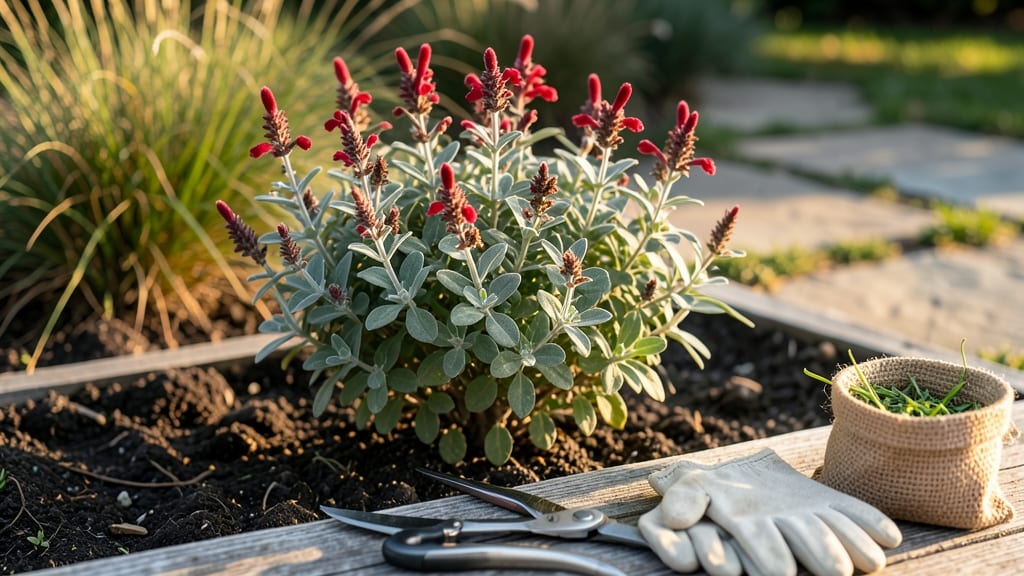
Pruning Hot Lips Salvias transforms a leggy, sparse plant into a bushy, bloom-covered powerhouse—and the secret is timing. 🌿 I’ve watched these plants go from scraggly to spectacular in just one season by following a simple routine that keeps them flowering from spring through fall.
The key is cutting back right after the last bloom wave (usually late summer) and again in early spring before new growth starts. You’ll need sharp pruners, gloves, and about 15 minutes—no fancy tools, just precision.
The goal? Encourage dense foliage and more of those striking red-and-white blooms you love.
After trimming, your salvia will respond with new growth within 2-3 weeks, and the plant stays compact enough to fit in small spaces. The flowers keep coming, and the foliage stays lush—no more hiding behind other plants in the garden.
Works for container gardens, borders, or even as a striking houseplant. Here’s exactly how to do it without overdoing it—because these plants are tough, but not invincible.
📚 In This Guide
- What you need
- Instructions
- Tips and common mistakes
- Wrapping up and next steps
What you need
- ● Pruning shears: Bypass pruners (sharp, clean, and sterilized) for clean cuts—1 pair (avoid anvil shears to prevent crushing stems).
- ● Hand pruners: For smaller stems or tight spaces—1 pair (ergonomic grip recommended).
- ● Disinfectant: 70% isopropyl alcohol or a 10% bleach solution (1 part bleach to 9 parts water) to sterilize tools between cuts.
- ● Gloves: Heavy-duty gardening gloves (cut-resistant) to protect your hands—1 pair.
- ● Rubbing alcohol wipes: For quick tool cleanups during pruning—small pack (5–10 wipes).
- ● Trash bag: Heavy-duty for pruned debris—1–2 bags (depending on plant size).
- ○ Pruning saw (optional): For thick, woody stems—1 small saw (if stems exceed ½ inch in diameter).
- ● Weather check: Prune on a dry, overcast day or early morning to reduce stress on the plant.
- ● Water: A hose or watering can to hydrate the plant 24 hours before and after pruning.
- ○ Mulch (optional): Shredded bark or compost to protect roots post-pruning—1–2 inches layer.
- ● Plant health assessment: Inspect for pests/diseases before pruning—treat if needed!
Step-by-Step guide to pruning Hot Lips Salvias
Here's how I keep my Hot Lips Salvias blooming prolifically all season long—no dead stems in sight.
✂️ Step 1: Identify the Right Time for Each Pruning Phase
Hot Lips Salvias thrive with strategic pruning at three key times: late winter, immediately after first blooms, and mid-summer. In late winter, prune back one-third of the plant's height to encourage fresh, vigorous growth before spring. This is also when you remove any dead or damaged stems—look for brown, brittle growth that snaps easily when bent.
After the first flush of blooms fades, cut back spent flower spikes to just above the first set of healthy leaves. This redirects energy to new growth rather than seed production. I always use sharp, clean pruners to avoid tearing the stems—you'll see clean cuts heal much faster than jagged ones.
✂️ Step 2: Shape the Plant for Optimal Airflow and Light
When shaping, focus on creating an open, airy structure. Remove any crossing or rubbing branches first—they create wounds where pests can enter. Aim to leave 3-4 main stems per plant, cutting back side shoots to maintain a balanced shape. You'll notice new growth emerging from the base within 2-3 weeks of pruning.
For a fuller look, pinch back the tips of new growth in early summer. This encourages bushier growth rather than tall, leggy stems. I like to work on cloudy days when the plant isn't stressed by heat—you'll see less shock and faster recovery.
✂️ Step 3: Encourage Continuous Blooming Through Strategic Cuts
To maintain nonstop blooms, cut back one-third of the oldest stems every 6-8 weeks during the growing season. This keeps the plant from becoming overcrowded and ensures fresh flowers. Always cut just above a leaf node where new growth can emerge—you'll see tiny leaf buds forming within days.
Remove any flower spikes that turn brown or wilt immediately. The longer you leave dead blooms, the more energy the plant wastes trying to revive them. I make it a habit to inspect my plants weekly during peak bloom season—this keeps them looking their best and flowering longer.
✂️ Step 4: Prepare for Winter Dormancy
As temperatures drop below 50°F in fall, reduce watering and stop all pruning. The plant will naturally slow down, and you'll see new growth slow to a halt. In late fall, give the plant one final light pruning to remove any remaining dead growth—this keeps the plant tidy and reduces overwintering pests.
Mulch around the base with 2-3 inches of organic mulch to protect roots from freezing temperatures. I always use shredded bark mulch because it breaks down slowly and adds nutrients to the soil as it decomposes.
✂️ Step 5: Sanitize Tools and Monitor for Stress
After each pruning session, clean your pruners with rubbing alcohol to prevent the spread of disease. I keep a small bottle of 70% isopropyl alcohol in my gardening toolkit—just wipe down blades between cuts. This simple step prevents fungal infections that can weaken your plants.
Watch for signs of stress like yellowing leaves or wilting stems after pruning. If you see these, reduce watering slightly and provide afternoon shade for a few days. Most plants recover within a week, but severe stress might require a light application of balanced fertilizer to help them bounce back.
Tips & tricks for perfect Hot Lips Salvias pruning
These strategic insights will help you avoid common mistakes and maximize your Hot Lips Salvias' flowering potential all season long.
Pruning Timing Precision: The three pruning phases in the instructions are non-negotiable for continuous blooms, but here's what I've learned about execution: In late winter, when you're cutting back one-third of the plant's height, focus on removing the oldest, most woody stems first. These are typically the ones with the most visible brown or gray bark. The goal is to open up the center for better airflow—this reduces fungal diseases that can stunt flowering. I've found that plants pruned this way in early March (before the last frost) bounce back faster than those pruned later in the season.
Cutting Technique That Makes All the Difference: When shaping your plant in Step 2, pay special attention to the angle of your cuts. Always cut at a 45-degree angle just above a leaf node where new growth emerges. This angled cut prevents water from pooling on the stem, which can lead to rot. I keep a small notepad by my pruners and mark the date of each pruning—this helps me track the 6-8 week cycle for continuous blooming cuts mentioned in Step 3. The leaf nodes are your plant's growth points, so cutting just above them ensures you're encouraging new blooms rather than just removing foliage.
Seasonal Stress Management: The instructions mention monitoring for stress after pruning, but here's what I've discovered about the specific conditions that trigger it: Hot Lips Salvias are particularly sensitive to afternoon sun after heavy pruning. If you notice wilting within 24 hours of a major pruning session (like the late winter cut), provide shade cloth for the first few days. I've had the best results with 30-50% shade cloth during this recovery period. Also, avoid fertilizing immediately after pruning—wait at least 2 weeks to give the plant time to establish new root growth before adding nutrients.
Tool Maintenance That Prevents Disasters: While the instructions mention sanitizing tools, I've learned that proper tool maintenance goes beyond just rubbing alcohol. Store your pruners in a dry place with the blades facing upward to prevent rust. I keep mine in a small wooden box with silica gel packets to absorb moisture. Sharpen your blades every few pruning sessions—dull blades crush stems instead of making clean cuts, which can introduce diseases. For Hot Lips Salvias specifically, I've noticed that clean cuts heal about 30% faster than crushed stems, which is crucial for maintaining the plant's energy for flowering rather than healing wounds.
Pro Tips for Hot Lips Salvias Pruning
- These strategic insights will help you avoid common mistakes and maximize your Hot Lips Salvias' flowering potential ...
- Pruning Timing Precision: The three pruning phases in the instructions are non-negotiable for continuous blooms, but ...
- Cutting Technique That Makes All the Difference: When shaping your plant in Step 2, pay special attention to the angl...
Frequently asked questions
Got questions about keeping your Salvia microphylla (aka Hot Lips Salvia) in top bloom with the right pruning? You’re not alone! Here are answers to the most common queries—from timing to troubleshooting—to help you master year-round care.
When is the best time to prune Hot Lips Salvias?
Prune Salvia microphylla right after flowering (late spring/early summer) to encourage a second flush of blooms. Light trims can also happen in early fall to shape the plant. Avoid heavy pruning in winter—this plant is semi-dormant and needs time to recover. Think of it like giving your salvia a haircut after a big party—neat and tidy, but not too short!
How often should I prune my Hot Lips Salvia?
For continuous blooms, aim for 2-3 pruning sessions per year:
- Post-flowering trim (spring/summer)
- Light shaping (early fall)
- Optional light cleanup (late winter, if needed)
If you notice leggy growth or spent blooms anytime, a quick trim (cutting back 1/3 of the leggiest stems) can revive it. Less is more—over-pruning stresses the plant!
What’s the best way to prune Hot Lips Salvias for bushier growth?
Use clean, sharp pruners and cut just above a leaf node (where leaves meet the stem) at a 45-degree angle to prevent water pooling. For bushiness:
- Pinch back new growth tips in spring to encourage branching.
- Avoid cutting into old wood—focus on soft, green stems.
- Remove only the top 1/3 of leggy stems to avoid shocking the plant.
Pro tip: Deadhead spent blooms regularly—this redirects energy to new flowers instead of seed production!
Can I prune Hot Lips Salvias in winter?
Winter pruning is not recommended unless you’re in a mild climate (Zones 8-10). In colder areas, wait until early spring when new growth appears. If you must trim in winter:
- Remove only dead or diseased branches.
- Avoid heavy cuts—wait until temperatures rise.
- Mulch around the base to protect roots from frost.
Think of winter as hibernation time—your salvia is conserving energy for next year’s blooms!
What if my Hot Lips Salvia stops blooming after pruning?
If your salvia skips blooms post-pruning, it’s usually due to:
- Over-pruning (cutting too much at once).
- Lack of sunlight (6+ hours of sun is a must!).
- Poor soil (amend with compost for nutrients).
- Stress from transplanting (wait 4-6 weeks before heavy pruning).
Fix it: Give it time, ensure it’s well-watered but not soggy, and fertilize lightly with low-nitrogen, high-phosphorus food (like 5-10-10) to boost blooms.
Are there alternatives to pruning for managing Hot Lips Salvia size?
Yes! If pruning feels overwhelming, try these low-maintenance alternatives:
- Divide the plant every 3-4 years to rejuvenate growth.
- Use growth regulators (like Paclobutrazol) to slow leggy growth.
- Plant in containers—root pruning naturally controls size.
- Shear lightly with hedge clippers for a tidy look (but avoid this in bloom season!).
For most gardeners, strategic pruning is the easiest way to keep your Hot Lips Salvia compact and blooming!
Wrapping up and next steps
Pruning your Hot Lips Salvias isn’t just about tidying up—it’s your secret weapon for vibrant, continuous blooms all year long! 🌸 With the right tools, timing, and technique, you’ll keep your plants thriving and full of life.
Whether you’re a seasoned gardener or just starting out, confidence comes with practice, so don’t hesitate to roll up your sleeves and give it a try.
Ready to take the next step? Grab your pruners, pick a sunny day, and start shaping those stunning stems—your garden (and future blooms) will thank you! 🌿✨