
Pruning
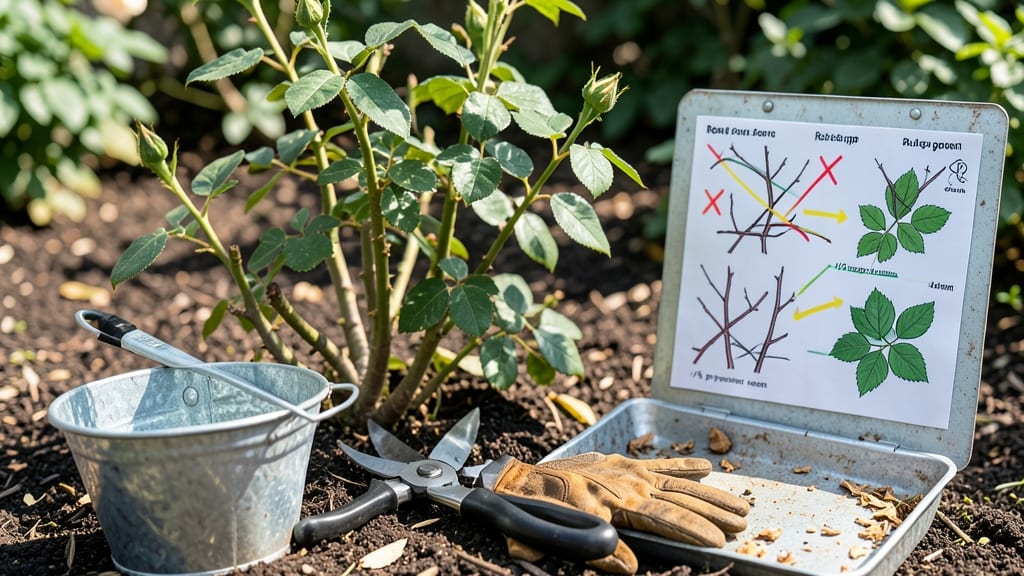
To prune roses properly means cutting back at the right times each year — a schedule that keeps your 🌹 thriving and blooming like crazy.
Most gardeners wait until summer, but that’s when you’re already missing the best window. Prune too late, and you stunt new growth; too early, and you risk frost damage. The secret lies in understanding when your rose type needs attention — and it’s not just once a year.
Hybrid teas and floribundas demand a late-winter trim, while climbers and shrubs often need two cuts: once in spring and again after blooming. I’ll walk you through the exact timing, tools, and techniques to avoid common mistakes that leave roses weak or bare.
By the end, you’ll know not just how to prune, but when to do it for roses that burst with color season after season.
Best times of year to prune roses for maximum growth
Timing your rose pruning correctly is the secret to vibrant blooms and disease-resistant plants. Unlike many plants, roses need seasonal pruning to thrive, with each cut serving a unique purpose—whether it's shaping growth, encouraging flowers, or preparing for winter.
The best time to prune depends on your climate zone and the rose variety, but these general guidelines work for most gardeners in USDA Zones 5-9. Let's break down the year-round schedule that keeps your roses healthy and blooming beautifully.
Most gardeners focus on spring pruning because it's when roses wake from dormancy, but late winter and summer cuts also play critical roles. For example, a late-winter prune removes dead wood and shapes the plant before new growth begins, while a summer trim focuses on deadheading and airflow.
Skipping these steps can lead to overcrowded canes, fewer blooms, and even disease outbreaks. Let's explore the optimal pruning window for each season and how to adjust for your local climate.
| Season | Pruning Goal | Best Time | Climate Adjustments |
|---|---|---|---|
| Late Winter | Remove dead wood, shape plant | Just before buds swell (Feb-Mar) | Cold zones: Wait until frost danger passes. Warm zones: Prune earlier (Jan-Feb). |
| Early Spring | Encourage new growth, open center | After last frost (March-April) | Temperate zones: Prune when days warm above 50°F. Warm zones: May-June for climbers. |
| Summer | Deadhead, improve airflow | After blooming (June-August) | Hot climates: Prune in early morning to avoid stress. Humid zones: Focus on disease prevention. |
| Fall | Prepare for dormancy, remove weak growth | 6-8 weeks before first frost (Sept-Oct) | Cold zones: Prune aggressively to reduce winter damage. Mild zones: Light prune only. |
Your late-winter prune (February-March in most regions) is all about cleaning up and shaping the plant. This is when you remove dead or diseased canes, which harbor fungal spores that can spread during the growing season.
Look for canes that are blackened, mushy, or hollow—these should be cut back to healthy wood. For hybrid teas and floribundas, also trim back last year's blooms to encourage stronger new growth.
In cold climates (Zones 5-7), wait until the ground thaws but before buds swell—typically late February to early March.
In warm climates (Zones 8-10), you can prune as early as January because there’s no risk of late frosts damaging new growth. However, avoid pruning too early in humid zones, as wet conditions can slow healing and increase black spot risk.
If you're unsure, err on the side of pruning slightly later—even if it means waiting until March. The key is to finish before new shoots emerge, which signals the start of the active growing season.
This timing ensures your rose has 6-8 weeks to recover before summer heat arrives.
When spring arrives (March-April in most areas), your early-spring prune should focus on opening up the center of the plant to improve air circulation and sunlight penetration. This is when you make 30-50% cuts to last year's growth, depending on the rose type.
For example, climbing roses need less aggressive pruning (only remove weak or crossing canes), while shrub roses can handle harder cuts to encourage bushier growth. Always cut just above an outward-facing bud to direct energy away from the center.
In temperate zones, aim to prune after the last frost date but before leaf-out—typically late March to early April.
Summer pruning is often overlooked, but it’s essential for continuous blooming. After each flush of flowers fades, deadhead (remove spent blooms) to redirect the plant’s energy into new buds rather than seed production. For repeat-blooming roses, this means monthly trims
How to adjust pruning frequency based on rose type
Not all roses thrive on the same pruning schedule—some need aggressive cuts twice a year, while others barely tolerate a trim. Understanding your rose type's growth habits and bloom cycles is key to keeping them healthy and blooming beautifully.
Hybrid teas, for example, demand precise pruning to encourage their signature large, single blooms, while old garden roses often resist heavy cuts. Let’s break down how often to prune each type for optimal results.
Your rose’s pruning frequency depends on its classification and whether it’s a repeat bloomer or once-blooming variety. Repeat bloomers like floribundas and hybrid teas need two prunings per year—one in late winter and another after the first bloom cycle—to maintain their shape and encourage continuous flowers.
Meanwhile, climbers and shrub roses often require minimal pruning to avoid stressing their natural growth patterns.
For hybrid teas, the most common mistake is pruning too late in spring, which delays blooming. Aim to finish your late-winter prune by early March in most climates.
After the first flush of blooms fades, give them another trim to encourage a second wave. This two-prune approach keeps hybrid teas producing their iconic showstopping blooms all season.
On the other hand, old garden roses often resent heavy pruning. These heirloom varieties prioritize natural beauty over forced blooms, so limit yourself to removing dead or crossing branches in late winter.
Over-pruning can stress these roses, leading to fewer flowers and weaker stems. If your old garden rose looks healthy, you might skip pruning entirely and just tidy up as needed.
Climbing roses are a special case—they need minimal pruning to avoid damaging their long canes. Focus on shaping cuts in late winter to remove any dead or weak growth.
Never cut into old wood, as this is where next year’s blooms will form. A light touch ensures these roses continue their dramatic vertical displays year after year.
Remember, every rose responds to pruning based on its local climate and individual health. If you’re unsure, observe your roses after pruning: vigorous new growth means you’ve done well, while yellowing leaves or slow recovery signals over-pruning. Adjust your frequency based on what you see each year.