
Pruning
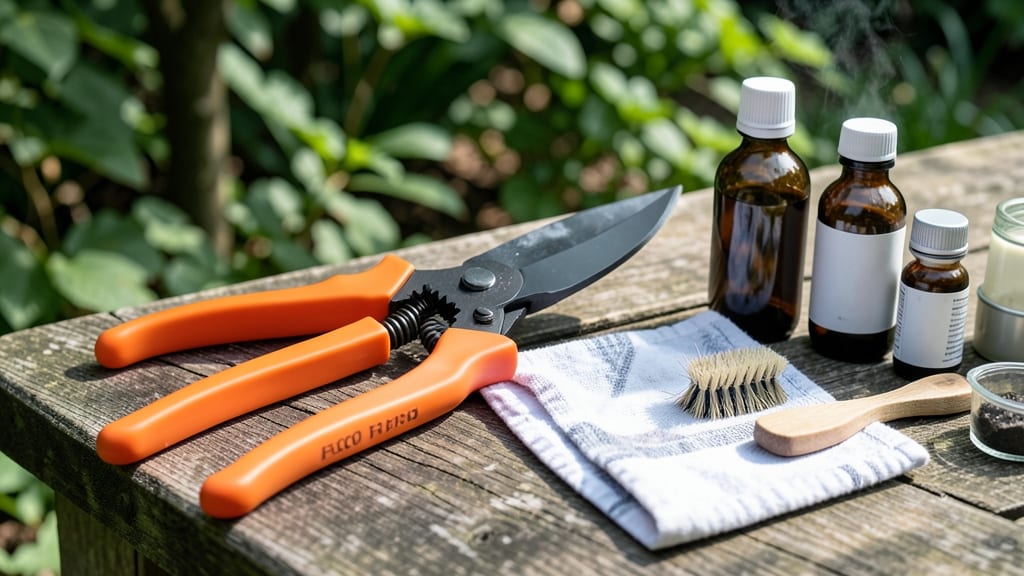
How to clean Felco pruners the right way will save you from rusty, sticky blades—and the frustration that comes with them. ✂️ A quick wipe-down just isn’t enough. Sap buildup and rust turn a simple tool into a stubborn mess, but this 5-minute vinegar-and-oil method keeps blades sharp and hinges smooth for years. I’ve cleaned mine this way every season, and they still cut like butter after a decade.
You’ll need just three things: white vinegar (or rubbing alcohol), a clean cloth, and a dab of light machine oil (like 3-in-1). No fancy tools, no harsh chemicals—just a way to strip away sap, dirt, and rust before it starts.
The process is simple, but skipping steps (like not drying the blades) is how rust sneaks back in.
Start by soaking the blades in vinegar for 10 minutes to dissolve sap, then scrub with a brush to loosen grime. Wipe dry, apply oil to the pivot point and hinge, and reassemble with a satisfying click.
Your pruners will stay rust-free, sharp, and effortless—no more struggling with sticky blades or squeaky hinges.
Pro tip: Clean them after every heavy use (think: late-summer pruning sprees) and store them oiled and dry in a case. I’ve seen pruners last 20+ years with this routine—no magic, just consistency. Ready to make yours last that long?
📚 In This Guide
- What you need
- Instructions
- Tips and common mistakes
- Wrapping up and next steps
What you need
- ● Felco pruners (any model, but check for rust or debris first!)
- ● White vinegar – 1 cup (for soaking and rust removal)
- ● Rag or paper towels – 2-3 (for drying and wiping)
- ● Mineral oil or pruner oil – 1 small bottle (for lubrication)
- ○ Soft-bristle brush (optional but helpful for stubborn grime)
- ● Small container or bowl (to hold vinegar while soaking)
- ○ Safety gloves (optional, to protect hands from vinegar)
- ● Fine-grit sandpaper (220-grit) – for removing light rust or pitting
- ● WD-40 or rust converter spray – for extra stubborn corrosion
- ● Microfiber cloth – for a streak-free shine and extra drying
- ● Toothbrush (old, soft-bristled) – for tight spots and crevices
Step-by-step instructions for cleaning Felco pruners
Here’s my foolproof method to restore your Felco pruners to like-new condition—no rust, no fuss.
💧 Step 1: Disassemble and Soak in Vinegar Solution
Start by removing the blade and bolt from the pruner body. Lay them out on a clean towel—this keeps track of parts and prevents losing tiny screws. Fill a bowl with equal parts white vinegar and warm water (about 1 cup each). Submerge the metal parts for 10-15 minutes to dissolve sap, resin, and mineral deposits. You’ll see bubbles form as the solution breaks down grime.
For stubborn buildup, let them soak longer—up to 30 minutes—but check periodically. Vinegar’s acidity cuts through dried sap and prevents rust without damaging the metal. If you’re dealing with old, crusted-on residue, a wooden spoon can gently scrape it away while soaking.
✂️ Step 2: Scrub and Polish the Metal Parts
After soaking, use a stiff nylon brush (like a toothbrush or dedicated pruner cleaner) to scrub the blade edges, pivot point, and bolt threads. Focus on the cutting edges—these are where sap and dirt accumulate most. You’ll feel the grime lift as you work, especially around the pivot area where the blade meets the handle.
For extra shine and corrosion protection, apply a few drops of mineral oil to a clean cloth and rub it over all metal surfaces. This step isn’t just for looks—it creates a protective barrier against future rust. Pay special attention to the bolt and pivot point, as these are high-risk areas for wear. Wipe away excess oil with a dry cloth to avoid attracting dust.
🪴 Step 3: Clean the Handles and Reassemble
Wipe down the handles with a damp cloth to remove dirt and sap residue. Felco’s composite handles resist moisture, but sap can still cause discoloration over time. For tough stains, a mild soap solution works—just avoid soaking the handles, as prolonged moisture can degrade the material. Dry them thoroughly before reassembling.
Reinsert the blade and bolt, ensuring the blade aligns perfectly with the cutting edge. Tighten the bolt firmly but not excessively—over-torquing can strip threads or damage the pivot. Test the pruners by making a few cuts on a scrap branch. If the blade isn’t sharp or the pivot feels stiff, repeat the cleaning process or consider sharpening the blade.
☀️ Step 4: Store Properly to Prevent Rust
After cleaning, store your Felco pruners in a dry, well-ventilated place. Hang them by the blade or lay them flat on a towel to allow air circulation. If you’ll be storing them long-term (like winter), apply a thin coat of mineral oil to the metal parts before putting them away. This extra step keeps them rust-free until your next pruning session.
I like to keep mine in a tool caddy with silica gel packets to absorb any lingering moisture. Avoid storing them in a closed container, like a toolbox, where humidity can build up. A quick wipe-down after each use—especially after wet weather—saves time and extends the life of your pruners.
Tips & tricks for perfect Felco pruner maintenance
Between us, these little tricks will save you from tossing your pruners—and your sanity—after a season of heavy use. Trust me, I've learned the hard way when I skipped these steps.
Soak Time Strategy: The 10-15 minute soak in vinegar solution is your first line of defense, but don't rush it. Stubborn sap buildup needs that full 30 minutes to fully dissolve—especially around the pivot point where grime loves to hide. I've seen pruners that looked hopeless after just 10 minutes of soaking, only to reveal hidden rust when I extended to 30 minutes. Pro tip: If you're dealing with old, crusted-on residue, add a wooden spoon to gently scrape while soaking—it's like giving your pruners a spa treatment.
Scrubbing Technique: When you're scrubbing those blade edges in Step 2, focus on the areas you can't see—the pivot point and bolt threads are where most corrosion starts. Use that stiff nylon brush at a 45-degree angle to get into crevices, and don't forget the underside of the blade where sap collects. I always test the cleanliness by running my finger along the edges—if you can still feel grit, scrub another 30 seconds. The goal is to leave the metal completely smooth, not just visually clean.
Oil Application Secret: That mineral oil step isn't just about shine—it's your pruners' armor against future rust. After applying, let the oil soak in for 2-3 minutes before wiping away excess. I've found that applying oil immediately after cleaning creates a more effective barrier than waiting. For extra protection, I like to apply a second thin coat after the pruners have dried completely—this gives you double the rust prevention for minimal effort. Think of it as the sunscreen for your pruning tools.
Storage Wisdom: The dry, well-ventilated storage advice is crucial, but here's what nobody tells you—hanging pruners by the blade actually helps prevent rust better than laying them flat. The blade's position allows any residual moisture to drip away rather than pool. I keep mine in a tool caddy with silica gel packets, but even a simple wall hook with a towel underneath works wonders. The key is to eliminate any chance of moisture buildup, which is the #1 enemy of your pruners' longevity.
Pro Tips for Clean Felco Pruners
- Between us, these little tricks will save you from tossing your pruners—and your sanity—after a season of heavy use.
- Soak Time Strategy: The 10-15 minute soak in vinegar solution is your first line of defense, but don't rush it.
- Scrubbing Technique: When you're scrubbing those blade edges in Step 2, focus on the areas you can't see—the pivot point and bolt threads are where most corrosion starts.
Frequently asked questions
Got questions about keeping your Felco pruners in top shape? You’re not alone! Here are some of the most common concerns—and quick fixes—to keep your pruning tools sharp, rust-free, and ready for action.
How often should I clean my Felco pruners?
Clean your Felco pruners after every use—especially if they’ve been cutting wet or sap-covered branches. Sap and moisture left behind can cause rust or gum up the blades. A quick wipe-down with a damp cloth and a drop of oil after each session prevents buildup and extends their lifespan.
Can I use soap and water to clean Felco pruners?
Yes! Mild soap and warm water are great for removing sap, dirt, and debris. Avoid harsh detergents or bleach—they can strip protective coatings or corrode metal. After washing, dry them thoroughly and apply a light coat of oil to prevent rust. Pro tip: Use a toothbrush for stubborn grime in the hinge or blade grooves!
What if my Felco pruners are already rusty?
Don’t panic! Rust on Felco pruners is usually surface-level. Scrub the affected areas with fine steel wool or a rust eraser, then rinse with water. Dry completely and apply a thin layer of mineral oil or WD-40 to protect the metal. For heavy rust, soak the blades in vinegar for 30 minutes, then scrub and oil.
Is it safe to use vinegar on Felco pruners?
Vinegar is a natural rust inhibitor and deep cleaner. Mix equal parts white vinegar and water, soak the pruners for 10–15 minutes, then scrub off residue. Rinse with water and dry well. Skip this step if your pruners have rubber grips—vinegar can degrade them over time. Always follow up with oil to protect the metal.
How do I fix a stiff or squeaky Felco hinge?
A stiff hinge usually means dryness or sap buildup. Apply a few drops of light machine oil or 3-in-1 oil to the hinge, then open and close the blades a few times to distribute it evenly. For squeaking, a tiny bit of graphite powder (from a pencil) can work wonders as a dry lubricant.
Bonus Tip:
Store your Felco pruners in a dry, elevated spot (like a wall-mounted hook) to prevent moisture buildup. Avoid leaving them in damp tool sheds or directly on concrete. A silica gel packet in the storage case can also help absorb excess humidity!
Wrapping up and next steps
Keeping your Felco pruners sharp and rust-free is easier than you think—just a few minutes of care makes all the difference! 🌿 With vinegar, oil, and a little elbow grease, you’ll extend their lifespan and ensure smooth cuts every time. Now that you’re equipped with the know-how, grab those pruners and give them the TLC they deserve!
Ready to tackle your next pruning project? Stock up on vinegar and oil (or bookmark this guide for quick reference) and get back to gardening with confidence. Happy pruning! ✂️