
Pruning
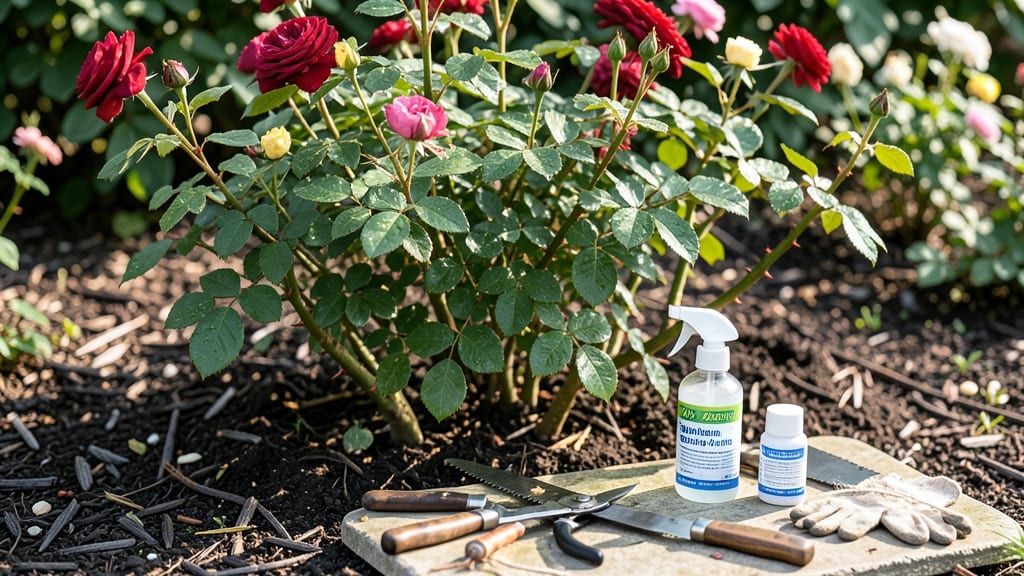
Learning how to properly prune a rose bush isn’t just cutting—it's the difference between three blooms and a bush bursting with color. ✂️ I've watched my own roses go from sad, tangled messes to the showstopper of the garden after mastering this simple technique.
The key is timing, sharp tools, and knowing exactly where to cut to encourage new growth. Most people prune too late or too aggressively, both of which stress the plant. Instead, focus on removing dead wood first, then shaping the bush to let light and air reach the center.
A well-pruned rose sends out stronger canes that produce more buds, and the blooms arrive earlier in the season. You'll see new red shoots within 10-14 days of proper pruning. The best time to prune depends on your climate, but late winter or early spring—just before new growth starts—is ideal.
For repeat-blooming roses, a light trim after the first flush of flowers keeps them productive all season. Just avoid cutting into old wood; you want to make your cuts just above an outward-facing bud. Avoid these common mistakes: using dull shears, leaving stubs, or pruning too close to the ground.
Sharp cuts heal faster, and the right angle prevents water from pooling on the wound. With practice, you'll shape roses that stay healthy, bloom abundantly, and resist disease better than ever.
📚 In This Guide
- What you need
- Instructions
- Tips and common mistakes
- Wrapping up and next steps
What you need
- ● Bypass pruners – Sharp, clean, and disinfected (1 pair). Avoid anvil pruners—they can crush stems.
- ● Loppers – For thicker branches (¼"–1" diameter). Opt for bypass-style with long handles (1 pair).
- ● Pruning saw – For stubborn, thick stems (>1" diameter). A curved-tooth saw prevents tear-out (1 saw).
- ● Garden gloves – Heavy-duty, cut-resistant (1 pair) to protect from thorns and bacteria.
- ● Disinfectant – 70% isopropyl alcohol or bleach solution (1:9 ratio with water) to sterilize tools between cuts.
- ● Rubbing alcohol or bleach wipes – For quick tool sanitization mid-pruning.
- ● Buckets or bags – For collecting pruned branches (1–2). Line bags with trash bags for easy disposal.
- ● Sharpie or marker – To label canes if grafting or identifying varieties (1).
- ● Hand pruners – For precision trimming on small stems (1 pair).
- ● Knee pad or stool – If your rose bush is tall or dense (1).
- ● Pruning sealant – Not recommended for roses (they heal better without it), but useful for large wounds on grafted roses.
- ● Garden hose or spray bottle – To rinse tools and remove sap residue.
- ● Notebook or app – To sketch your rose’s structure before/after pruning (e.g., iNaturalist or Gardenate).
Step-by-Step guide to pruning your rose bush
Here’s how to revive your rose bush with clean cuts and confident strokes—no guesswork needed.
✂️ Step 1: Gather the Right Tools and Timing
Prune roses in late winter or early spring (just before new growth starts) or after the first flush of blooms in late spring. Never prune in fall—you’ll encourage tender new growth that won’t survive winter. Grab sharp bypass pruners (dull blades tear stems, inviting disease) and a sterilized saw for thicker branches. I always clean my tools with rubbing alcohol between cuts to prevent spreading bacteria.
Wear gloves—roses have thorns that pack a punch! Check the weather too. Prune on a dry, cloudy day to reduce stress on the plant. If you must prune when rain’s forecast, do it at least 4 hours before so cuts can dry and seal naturally.
✂️ Step 2: Remove Dead, Diseased, or Crossing Branches First
Start by cutting out any dead or diseased wood—it’s the easiest way to improve airflow and reduce pests. Dead branches are gray, brittle, and hollow when snapped. Diseased wood often has black spots, mold, or oozing sap. Cut these back to healthy green tissue (about ¼ inch above a bud that faces outward).
Next, remove crossing or rubbing branches—these create wounds where pathogens enter. Look for stems that touch or overlap others. Make your cut at a 45-degree angle, about ⅛ inch above an outward-facing bud. This ensures the branch grows away from the plant’s center, improving light penetration and bloom production.
✂️ Step 3: Shape the Bush for Airflow and Light
Step back and visualize the plant’s natural shape. Roses bloom best when they’re open and airy, not dense. Aim to create a rounded, vase-like form—this lets sunlight reach the center where new buds form. Cut back overly long canes to 18-24 inches tall, making your cuts just above a strong, outward-facing bud.
For hybrid teas and floribundas, prune to half their height in late winter. For climbing roses, prune to ⅓ their height and focus on removing old canes (those thicker than a pencil) to encourage new growth. Always leave 3-5 strong canes per plant—they’ll support next year’s blooms.
✂️ Step 4: Thin Out Overcrowded Growth
Look for weak, spindly stems growing inward or suckers (shoots at the base that aren’t part of the main plant). These compete for nutrients and reduce flower quality. Cut these all the way to the ground—they won’t recover. You’ll know you’re doing it right when you see more space between branches and sunlight hitting the center.
For repeat-blooming roses, prune spent blooms throughout the season by cutting back to the first healthy leaf below the bloom. This encourages more flowers. Avoid "deadheading" by just snipping the flower head—this leaves a stub that can rot. Always cut just above a bud to promote new growth.
🌿 Step 5: Clean Up and Mulch for Recovery
Rake up all clippings and debris—never leave them on the ground. They harbor pests and diseases. Sterilize your tools again with rubbing alcohol before putting them away. Now’s the time to add 2-3 inches of mulch (like shredded bark) around the base. This keeps roots cool and conserves moisture while the plant recovers.
Water deeply after pruning to help the plant recover from stress. You’ll see new green shoots within 2-3 weeks—that’s your signal the pruning worked. Avoid heavy fertilizing right after pruning; wait until new growth is 4-6 inches tall before feeding with a balanced rose fertilizer (like 10-10-10).
Tips & tricks for perfect rose bush pruning
Here's the thing about pruning roses—it's not just about cutting branches. It's about creating the perfect environment for your plant to thrive. These are the details that'll make all the difference in your rose bush's next blooming season.
Tool Preparation: You can't overstate how important sharp tools are. I learned this the hard way after ruining three batches of pruning with dull shears. Always test your pruners by cutting a piece of paper—if it tears instead of cuts cleanly, sharpen them. And don't forget to sterilize between cuts! I keep rubbing alcohol in a small spray bottle right next to my pruning area for quick clean-ups. This prevents spreading fungal diseases that can devastate your roses.
The 45-Degree Angle Secret: When making cuts in Step 2 and Step 3, that angled cut isn't just for looks—it's about directing water runoff away from the bud. Make your cuts about ⅛ inch above an outward-facing bud at a 45-degree angle. This creates a natural water-shedding surface and encourages new growth to emerge away from the plant center. Think of it like creating a tiny roof over your bud that keeps it dry and protected.
Bud Selection Matters: Not all buds are created equal. When pruning in Step 3 and Step 4, always look for buds that are plump, firm, and facing outward. Avoid buds that are shriveled or facing inward—they won't produce strong growth. I like to run my thumb along the cane to feel for these healthy buds before making any cuts. This simple tactile check saves me from making unnecessary cuts that could weaken my rose bush.
Seasonal Timing for Repeat Bloomers: For those repeat-blooming roses mentioned in Step 4, timing is everything. After the first flush of blooms, prune spent flowers back to the first healthy leaf below the bloom. This encourages continuous flowering throughout the season. But here's what nobody tells you—if you prune too aggressively after the first flush, you might sacrifice some of that early bloom production. Balance is key: maintain the plant's shape while encouraging new growth.
Pro Tips for Properly Prune A Rose Bush
- Here's the thing about pruning roses—it's not just about cutting branches.
- Tool Preparation: You can't overstate how important sharp tools are.
- The 45-Degree Angle Secret: When making cuts in Step 2 and Step 3, that angled cut isn't just for looks—it's about directing water runoff away from the bud.
Frequently asked questions
Got questions about pruning your rose bush? You're not alone! Here are some of the most common concerns—plus straightforward answers to keep your roses thriving.
When is the best time to prune a rose bush?
The ideal time is late winter or early spring before new growth starts. For climbers and ramblers, prune right after flowering. Avoid pruning in fall—it can stimulate tender growth that won’t survive winter. Pro tip: If you missed the window, a light pruning in summer is better than none at all!
How do I know if I’m pruning too much?
If you’re cutting back more than one-third of the bush’s height, you’re likely overdoing it. Look for healthy canes (thick, brown, and woody) to keep—thin, weak, or diseased stems should go. A good rule: “Cut for the future, not the past.” Focus on shaping, not drastic reductions.
What should I do if my rose bush bleeds sap after pruning?
Sap bleeding (or “weeping”) is normal and harmless—it’s the plant’s way of sealing wounds. To minimize it, prune on a dry, cool day (not after rain) and use sharp tools. Avoid pruning in extreme heat, which can stress the plant. No need to panic! It won’t hurt your rose.
Can I prune roses in summer for more flowers?
Yes! Light summer pruning (called “deadheading”) encourages more blooms. Snip off faded flowers just above a five-leaflet leaf to redirect energy. Avoid heavy pruning—stick to trimming only spent blooms or overly leggy stems. Bonus: This keeps your roses looking tidy and flowering longer!
What if I prune at the wrong time and my rose bush doesn’t bloom?
Don’t stress! Roses are resilient. If you pruned too late (e.g., mid-summer), give it time—new growth may take 4–6 weeks to form buds. For next year, prune in early spring and fertilize lightly in spring/fall. Over-pruning is rare, but under-pruning (leaving too many weak stems) is the real culprit for sparse blooms.
Wrapping up and next steps
Pruning your rose bush might feel intimidating at first, but with the right tools, timing, and technique, you’ll unlock a healthier, more vibrant plant—and maybe even more stunning blooms! 🌹 Remember, sharp cuts, clean tools, and patience are your best friends.
Now that you’re armed with knowledge, grab those pruners and give your rose bush the care it deserves.
Ready for the next step? Monitor your plant’s progress after pruning and adjust as needed. Happy gardening—and here’s to a flourishing, fragrant future!