
Pruning
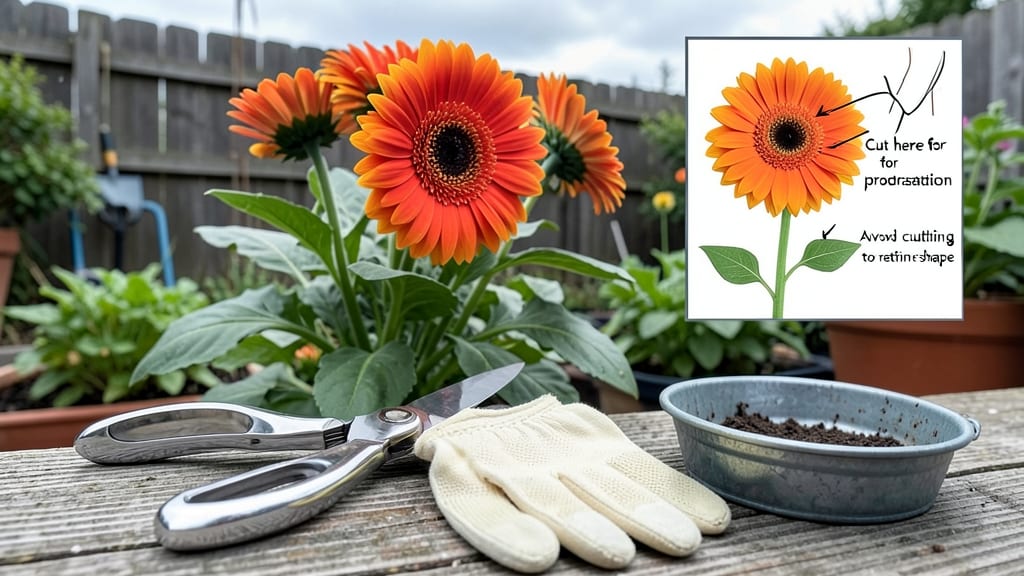
Your daisy plants will thank you with nonstop blooms all season—pruning is the secret weapon. 🌼 I’ve pruned Shasta daisies for years, and the difference between a well-tended plant and a leggy, sparse one is just a few strategic cuts at the right time.
Most gardeners skip this step, but it’s what turns a pretty plant into a showstopper.
The key is timing: deadhead spent blooms in spring and summer to encourage more flowers, then do a light shaping trim in early fall to tidy up before winter.
You’ll need sharp pruners and a clean cut—just above a leaf node—so new growth emerges strong. Avoid cutting into old wood, or you’ll stunt next year’s blooms.
By the end of summer, you’ll have fuller plants with weeks-long extensions of fresh blooms, plus fewer pests hiding in dead foliage. The plants stay compact, resist flopping, and bounce back faster after rain or wind. It’s the easiest way to double your daisy harvest without extra work.
Works for Shasta, gerbera, and other perennial daisies—just adjust the timing for your climate. Here’s how to do it right, step by step, so you never miss a bloom again.
📚 In This Guide
- What you need
- Instructions
- Tips and common mistakes
- Wrapping up and next steps
What you need
- ● Pruning shears (bypass or anvil type) – Choose sharp, sterilized shears (4-6 inches long) for precision cuts.
- ● Garden gloves – Thick, durable gloves (e.g., leather or nitrile-coated) to protect hands from thorns and dirt.
- ● Disinfectant (70% isopropyl alcohol or bleach solution) – 1 part bleach to 9 parts water to sterilize tools between cuts.
- ○ Garden twine or plant ties (optional for support) – Useful if your daisies are tall or leggy (e.g., 1/4-inch wide twine).
- ● Garden waste bag or bucket – For collecting pruned stems and debris (10-20 gallon capacity recommended).
- ● Watering can or hose with nozzle – To hydrate plants post-pruning (1-2 gallons of water).
- ● Hand pruners (for smaller stems) – Compact shears (3-4 inches) for tight spaces.
- ● Loppers (for thick stems) – 8-10 inch loppers for woody or stubborn growth.
- ● Pruning saw (for very thick bases) – Only needed if dealing with mature, overgrown daisy bases.
- ● Fertilizer (balanced 10-10-10 or compost) – To replenish nutrients after pruning (1 cup per plant).
- ● Mulch (straw or shredded bark) – To retain moisture and protect roots (2-3 inches thick).
Step-by-step guide to pruning daisy plants for abundant growth
Daisies thrive with the right cuts—here’s how to keep them blooming all season long.
✂️ Step 1: Deadhead Spent Blooms Regularly
Start by pinching or snipping off faded flower heads as soon as they wilt. Use clean, sharp pruners or your fingers to remove the entire spent bloom down to the first set of healthy leaves. This prevents the plant from redirecting energy into seed production and encourages more flowers to form.
Real talk: Don’t wait until blooms turn brown or fall apart—you’ll miss the prime window for new growth. I check my daisies every morning after watering, and it takes just a minute to keep them tidy. Watch for fresh buds forming at the base of the stems; that’s your signal the plant is responding well to the cuts.
✂️ Step 2: Trim Leggy Stems in Mid-Season
By late spring or early summer, some stems may stretch tall and thin, producing fewer flowers. Cut these back by about one-third of their length, just above a set of leaves or a healthy side bud. This encourages bushier growth and stronger stems that support more blooms.
Here’s the thing—don’t overdo it. Focus only on stems that are clearly leggy or woody at the base. You’ll see new side shoots emerge within a week or two, and those will produce fresh flowers. If you cut too aggressively, you might shock the plant into dormancy too early in the season.
✂️ Step 3: Lightly Shape the Plant After Flowering Peaks
Once the first major flush of blooms fades—usually in early to mid-summer—give the plant a light trim to remove any dead or crossing branches. Use your pruners to cut back stems to an outward-facing leaf or bud, keeping the plant’s natural shape. This improves airflow, reducing the risk of fungal diseases.
I like to step back and look at the plant from all sides before cutting. If one side looks sparse, I’ll trim back a few stems on the fuller side to balance it out. The goal is to maintain an open, airy structure—daisies hate being crowded, and good airflow keeps them healthier longer.
✂️ Step 4: Cut Back for Winter Prep (Late Fall)
As temperatures drop and growth slows in late fall, give your daisies a final haircut. Cut back all stems to about 2-3 inches above the ground. This removes any remaining foliage that could harbor pests or diseases over winter and helps the plant redirect energy to its roots.
Don’t worry—daisies are tough and will bounce back in spring. If your climate gets very cold, you can even leave the stems slightly taller to provide extra insulation for the crown. Just make sure to clean up any debris around the base to prevent rot or pests from moving in.
⏰ Step 5: Early Spring Cleanup Before New Growth
In early spring, once new shoots appear, do a final tidy-up. Remove any dead or damaged stems at the base, and trim back any remaining old growth that looks weak or diseased. This makes room for fresh, vigorous growth and keeps the plant looking its best as it prepares for another season of blooms.
Here’s where it gets fun—watch the new leaves unfurl and the buds form within a few weeks. With regular pruning, your daisies will reward you with bigger, healthier blooms all season long. And if you missed a step or two, don’t stress. Daisies are forgiving, and even a little late pruning will still give you great results.
Tips & tricks for pruning daisy plants
Keeping your daisies blooming all season takes just a few smart cuts—and avoiding these common mistakes makes all the difference.
Timing is Everything: In Step 1, don't wait until blooms are completely brown to deadhead. The moment you notice petals wilting or curling at the edges, that's your cue. I've learned this the hard way—waiting just one extra day means the plant starts investing energy in seed production instead of new flowers. Check your daisies every morning after watering to catch those early signs.
The One-Third Rule for Leggy Stems: When trimming those leggy stems in Step 2, measure carefully—cutting back exactly one-third of the stem length (not height!) is key. I mark the spot with my thumb first to visualize where to cut. Always cut just above a healthy side bud or leaf node, not in the middle of a stem. This ensures new growth will emerge from the right spot.
Airflow is Non-Negotiable: During Step 3's shaping phase, focus on creating space between stems. I step back every few cuts to check for balance—if one side looks too dense, I'll trim back a few stems there. Good airflow prevents fungal diseases like powdery mildew, which can turn your beautiful daisies into a sad, spotted mess. Think of it like giving your plants a breath of fresh air.
Winter Prep Secrets: For Step 4's late fall cutback, I always leave the stems slightly taller (about 4 inches) in colder climates. That extra insulation helps protect the crown during harsh winters. And here's a pro move: after cutting, I'll rake up all the debris and compost it—never leave old plant material near the base, as it can harbor pests over winter.
Pro Tips for Prune A Daisy Plant
- Keeping your daisies blooming all season takes just a few smart cuts—and avoiding these common mistakes makes all the difference.
- Timing is Everything: In Step 1, don't wait until blooms are completely brown to deadhead.
- The One-Third Rule for Leggy Stems: When trimming those leggy stems in Step 2, measure carefully—cutting back exactly one-third of the stem length (not height!) is key.
Frequently asked questions
Got questions about pruning daisies? You’re not alone! Here are some of the most common queries—plus simple, actionable answers to keep your plants thriving.
When is the best time to prune daisies?
Prune daisies early spring (just as new growth emerges) and late fall (after frost) to encourage fresh blooms. For perennial varieties, a light trim after each flowering cycle (every 6–8 weeks) keeps them bushy. Annual daisies? Focus on deadheading spent blooms to prolong flowering.
How much should I cut back my daisy plant?
For perennials, cut back 1/3 of the plant in early spring to remove dead foliage and encourage new growth. In fall, trim halfway down to protect roots over winter. Annuals can be pruned more aggressively—cut to 6 inches tall if they’re leggy or overgrown.
What if I prune at the wrong time?
Pruning too late in the season (after first frost for perennials) or too aggressively in summer can stress your plant. If you accidentally over-prune, don’t panic! Water deeply and fertilize lightly to help recovery. Pro tip: Always leave at least 2–3 sets of leaves to ensure regrowth.
Do I need special tools to prune daisies?
Nope! A sharp pair of bypass pruners or clean scissors work great for most jobs. For larger stems, loppers or a hand saw can help. Sterilize tools with rubbing alcohol between cuts to prevent disease. No tools? Snip with clean scissors—just avoid tearing stems!
What should I do with the cuttings?
Use pruned stems for propagation! Dip cuttings in rooting hormone (optional) and plant in moist potting mix. Keep them in bright, indirect light until roots form (4–6 weeks). Bonus: Toss healthy trimmings into compost—daisy leaves break down quickly and enrich soil.
Wrapping up and next steps
Pruning your daisy plants doesn’t have to be intimidating—just a little timing, technique, and tender care go a long way! By following seasonal guidelines and keeping tools sharp, you’ll encourage longer blooms, stronger stems, and a bushier plant that thrives year after year.
Now that you’re armed with the know-how, grab those shears and get ready to transform your garden into a vibrant, low-maintenance paradise!
🌱 Next step: Pick a sunny day, gather your supplies, and start pruning with confidence. Your daisies will thank you with bigger, brighter blooms all season long! 🌼