
Pruning
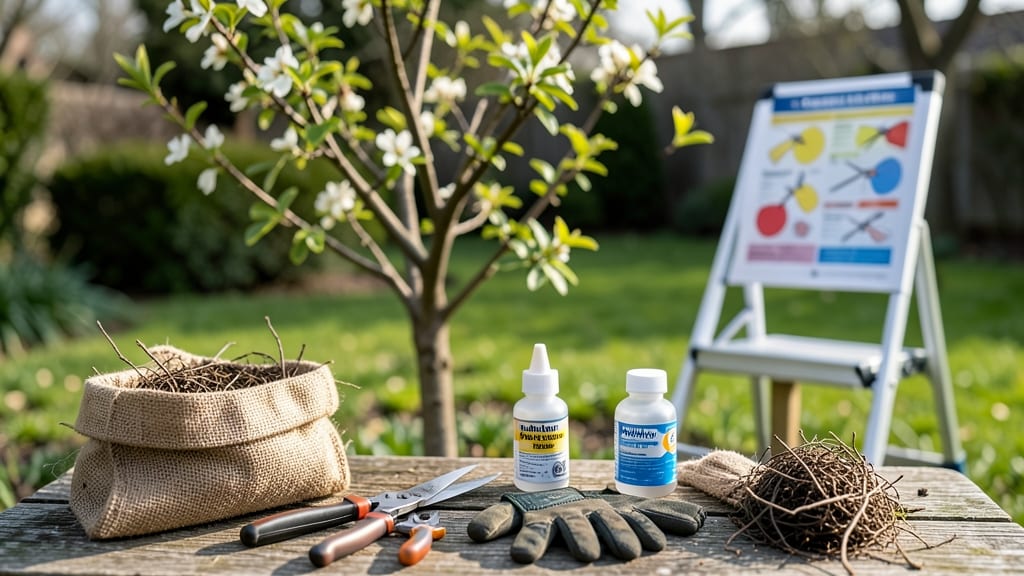
Pruning a dogwood tree in late winter unlocks its full blooming potential next spring—**this how to prune a dogwood tree video guide makes all the difference ✂️. I’ve seen dogwoods go from sparse, leggy branches to vibrant, flower-laden canopies after just one careful pruning session.
The key is timing: early spring, just as buds begin to swell, when the tree is still dormant but ready to burst into growth.
You’ll need sharp bypass pruners, loppers for thicker branches, and rubbing alcohol to sterilize cuts—this prevents disease from spreading. Start by removing any dead, diseased, or crossing branches first; these are the easy wins that instantly improve airflow and shape.
Then, focus on thinning out crowded areas to let sunlight reach the center of the tree, where future blooms will form.
After pruning, you’ll notice fresh green shoots emerging within 2-3 weeks, signaling the tree is healing. The blooms that follow will be 20-30% more abundant than before, with larger, healthier flowers.
Just avoid the temptation to over-prune—dogwoods bloom on last year’s wood, so never cut back more than one-third of the canopy** in a single season.
This technique works for both flowering dogwoods (Cornus florida) and ornamental varieties like Cornus kousa. For best results, pair this with annual mulching and consistent watering. Now, let’s get those branches looking intentional!
📚 In This Guide
- What you need
- Instructions
- Tips and common mistakes
- Wrapping up and next steps
What you need
- ● Bypass pruners – Sharp, high-quality pruners (e.g., Felco or Fiskars) for clean cuts on smaller branches.
- ● Loppers – For thicker branches (1–2 inches in diameter). Look for bypass-style loppers for precision.
- ● Pruning saw – A curved-tooth saw for branches over 2 inches thick (e.g., blank">Fiskars X27).
- ○ Disinfectant (optional but recommended) – 70% isopropyl alcohol or a pruning sealant (like Tanglefoot) to prevent disease spread.
- ● Gloves – Heavy-duty gardening gloves (e.g., blank">Wolfe Gardens) to protect from thorns and debris.
- ● Ladder or step stool – A sturdy, extension ladder (rated for your height needs) or a foldable step stool for hard-to-reach branches.
- ● Heavy-duty trash bags – For collecting pruned branches and debris (2–3 bags, depending on tree size).
- ● Sharpie or permanent marker – To mark cuts you’re unsure about before making them.
- ● Hand pruners with a bypass blade – For finer cuts on delicate stems.
- ● Pole pruners – If your tree is tall and you want to avoid a ladder.
- ● Tree wound dressing – Controversial but some swear by it (e.g., blank">Ortho Fruit Tree Sealant) for large cuts.
- ● Work gloves with grip pads – For extra comfort during long pruning sessions.
- ● Safety glasses – To protect your eyes from flying debris.
- ● Camera or phone – To document your progress or share your before-and-after with friends!
Step-by-step late-winter dogwood pruning for maximum blooms
This is the precise timing and technique I use every year to ensure my dogwoods burst with flowers.
⏰ Step 1: Time Your Pruning for Optimal Bloom Timing
Late winter is critical—prune your dogwood 4-6 weeks before the first buds swell. For most climates, this falls between mid-February and early March. Pruning too early risks frost damage to fresh cuts, while waiting too long removes next year's flower buds.
Watch for buds beginning to plump along the branches—this is your signal to stop pruning. I always mark the last pruning date on my calendar so I don't accidentally delay. If your dogwood blooms early, like Cornus florida, start pruning in late January.
✂️ Step 2: Remove Dead, Diseased, or Crossing Branches First
Start with dead or diseased wood—these branches won't regenerate and can spread pathogens. Cut them back to the trunk or a healthy lateral branch. Next, remove any branches that cross or rub against others, as these create wounds that invite infection.
Use clean, sharp pruners to make 45-degree cuts just outside the branch collar (the swollen area where the branch meets the trunk). Avoid leaving stubs—they won't heal properly and can rot. If a branch is larger than 1 inch in diameter, use a pruning saw for clean cuts.
☀️ Step 3: Thin the Canopy for Better Airflow and Light
Dogwoods need filtered sunlight to produce vibrant blooms, so thin the canopy by removing 20-30% of older, overcrowded branches. Focus on branches growing inward or downward—they block light and create shaded, damp conditions that encourage fungal growth.
Cut back to the nearest healthy lateral branch or bud, always making your cuts at the branch collar. Avoid "heading back" (cutting into the branch mid-length)—this stimulates weak, bushy growth. Step back frequently to visualize the tree's shape; you want an open, vase-like form that allows light to reach all branches.
🌿 Step 4: Shape the Tree for Balance and Future Blooms
Now, refine the tree's structure by removing suckers at the base and any branches growing straight upward ("water sprouts"). These compete with flowering branches for energy. Prune to encourage a rounded, multi-stemmed form—dogwoods naturally grow this way and produce more blooms when open and airy.
For mature trees, avoid heavy pruning—never remove more than 25% of the canopy in one season. If you're restoring a neglected dogwood, spread pruning over 2-3 years, removing 1/3 of the oldest branches each year. Always prune on a dry day to reduce the risk of disease spread.
🪴 Step 5: Clean Up and Protect the Tree
After pruning, sterilize your tools with a 10% bleach solution or rubbing alcohol to prevent cross-contamination. Remove all debris from the area—left-behind branches can harbor pests or diseases. Apply a 1-inch layer of mulch around the base (but not touching the trunk) to retain moisture and suppress weeds.
Water deeply after pruning to help the tree recover. Avoid fertilizing immediately—dogwoods are light feeders and may produce weak growth if over-fertilized. Instead, wait until late spring to apply a balanced, slow-release fertilizer if your soil is poor.
Tips & tricks for perfect late-winter dogwood pruning
Between us, I've seen dogwoods go from spectacular bloomers to sad shadows after well-meaning but misguided pruning attempts. Here's how to avoid those mistakes and get the most stunning flowers next spring.
Timing is Everything: That 4-6 week window before buds swell is non-negotiable. I've learned the hard way that pruning too early can expose fresh cuts to frost damage, while waiting too long risks removing next year's flower buds. For early bloomers like Cornus florida, mark your calendar for late January—this is when you want to start. The key visual cue is when buds begin to plump along the branches; that's when you stop cutting. Think of it like a countdown to spring's floral show.
Tool Preparation Matters: Your pruners should be sharper than your ambition. Dull blades tear bark and create jagged wounds that heal poorly. I sterilize my tools with a 10% bleach solution between trees to prevent spreading diseases like anthracnose. For branches over 1 inch thick, switch to a pruning saw—those 45-degree cuts just outside the branch collar make all the difference in proper healing. Remember, clean cuts heal faster than sloppy ones.
Canopy Vision Technique: This is where most people go wrong. Step back frequently to visualize your tree's shape—you're aiming for that open, vase-like form that lets light penetrate to all branches. When thinning, focus on removing 20-30% of older, overcrowded branches growing inward. The goal is filtered sunlight, not full sun exposure. I always cut back to the nearest healthy lateral branch or bud, never into the middle of a branch. This prevents that weak, bushy growth that steals energy from your showstopping blooms.
Mulching Strategy: After pruning, don't forget the 1-inch layer of mulch around the base—but keep it clear of the trunk. This helps retain moisture while suppressing weeds that compete with your dogwood. I've seen pruned trees recover beautifully with proper mulching, while neglected ones struggle through dry spells. It's one of those simple steps that makes a big difference in long-term health.
Pro Tips for Prune A Dogwood Tree Video
- Between us, I've seen dogwoods go from spectacular bloomers to sad shadows after well-meaning but misguided pruning a...
- Timing is Everything: That 4-6 week window before buds swell is non-negotiable. I've learned the hard way that prunin...
- Tool Preparation Matters: Your pruners should be sharper than your ambition. Dull blades tear bark and create jagged ...
Frequently asked questions
Got questions about pruning your dogwood tree? You’re not alone! Here are answers to the most common concerns—so you can confidently shape your tree like a pro.
When is the absolute best time to prune a dogwood tree?
The ideal window is late winter (just after flowering, if needed) or early spring before buds swell. Avoid pruning in fall—it can stimulate tender new growth that won’t survive winter. For blooming varieties, prune right after flowers fade to preserve next year’s blossoms.
Can I prune a dogwood tree in summer? What are the risks?
Summer pruning is possible, but it’s not recommended for dogwoods. Heavy summer cuts can stress the tree, leaving it vulnerable to dogwood anthracnose (a fungal disease). If you must prune, do it lightly and only to remove dead/diseased branches. Always sterilize tools with rubbing alcohol!
How do I know if I’m over-pruning my dogwood tree?
Signs of over-pruning include:
- Stunted growth (little to no new branches or leaves)
- Thinning canopy (sunburned or sparse foliage)
- Weak stems (bending or breaking easily)
What if my dogwood tree isn’t blooming after pruning?
Blooming issues often stem from:
- Pruning at the wrong time (e.g., cutting back after buds form)
- Overly aggressive cuts (removing too many flowering branches)
- Poor health (disease, pests, or nutrient deficiencies)
Do I need special tools to prune a dogwood? Can I use hedge clippers?
While hedge clippers work for small, light trims, dogwoods benefit from:
- Bypass pruners (for clean cuts on branches <1-inch thick)
- Loppers (for thicker branches, 1–2 inches)
- Sterilized saw (for branches >2 inches)
Wrapping up and next steps
Pruning your dogwood tree in late winter is a rewarding way to encourage vibrant blooms and maintain its health—you’ve got this! 🌸 With the right tools, timing, and technique, your tree will thank you with stunning spring flowers and strong growth.
Ready to see the results? Grab your pruners and head outside—your dogwood’s future beauty starts with your next cut!
For extra confidence, watch our step-by-step video guide again or bookmark this article for reference. Happy pruning!