
Pruning
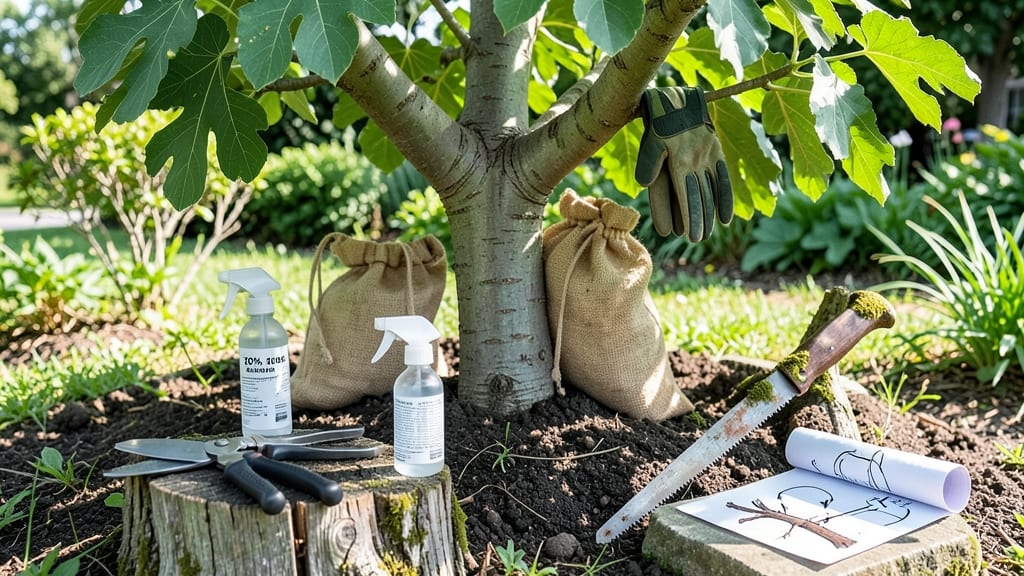
To prune a fiddle fig tree, trim dead or overgrown branches during late winter or early spring using clean, sharp shears to cut just above a leaf node at a 45-degree angle. Limit heavy pruning to once a year to avoid stressing the plant.
Fiddle fig trees thrive when you prune them strategically—timing and technique make all the difference. 🌿 The best time to trim is just before new growth begins, which typically aligns with late winter or early spring in most climates.
This timing helps the plant redirect energy into fresh foliage rather than struggling with damaged branches. I always use sterilized shears to prevent introducing bacteria or fungi, and I never cut more than 25% of the plant's foliage at once. This approach keeps the tree looking lush while avoiding shock.
What sets fiddle figs apart is their ability to regenerate from leaf nodes—those small bumps where branches meet the stem. Cutting just above a node encourages new shoots to sprout, giving your plant a fuller, bushier appearance.
If you notice leggy growth or sparse branches, this is your cue to prune selectively. Just remember: patience is key. Over-pruning can weaken the tree, so I recommend spacing out major cuts throughout the season rather than tackling everything at once.
💡 In This Article
- Best Pruning Times and Techniques for Fiddle Fig Trees
- Signs Your Fiddle Fig Needs Pruning (And What to Avoid)
Best pruning times and techniques for fiddle fig trees
The fiddle fig tree's pruning window is tightly linked to its natural growth cycle. In most climates, late winter to early spring is ideal because the tree is still dormant but about to burst into new growth.
This timing ensures you're not removing leaves that help fuel photosynthesis during the growing season. For example, in USDA zones 9-11 (where fiddle figs thrive), I've found that pruning in February or March gives the plant a full 6-8 weeks of warm weather to recover before summer's peak growth.
The key is to act just before you see new buds forming on the stems.
When making cuts, precision matters more than force. Use clean, sharp pruning shears to avoid crushing stems, which can introduce disease. The 45-degree angle cut just above a leaf node (where the branch meets the stem) is crucial—this angle helps water run off the cut, reducing rot risk.
Leaf nodes are those small, slightly raised bumps along the stem; they contain dormant buds that can sprout new branches. If you're unsure, make your cut 1/4 inch above the node to ensure you don't accidentally sever it.
For thicker branches, I recommend using a small saw for cleaner cuts that heal faster.
Fiddle figs respond beautifully to selective pruning, but the science behind their regrowth is fascinating. When you cut above a node, the plant's auxin hormones (natural growth regulators) shift from the removed branch to the remaining buds.
This hormonal shift triggers cell division in the dormant buds, leading to new shoots. What's surprising is how quickly this happens—within 2-4 weeks, you'll often see fresh growth emerging from the pruned areas.
This rapid response is why fiddle figs can recover so well from pruning, even if you make mistakes.
Climate plays a subtle but important role in timing. In cooler regions (like zone 8), wait until after the last frost to prune, as cold snaps can damage new growth.
Conversely, in hot climates (like zone 11), prune in early spring to avoid the intense summer heat, which can stress the plant. Another pro tip: Avoid pruning during flowering or fruiting periods, as this can reduce the tree's energy reserves.
The goal is to strike a balance—encourage fullness without overburdening the plant's resources.
Tools matter just as much as timing. Always sterilize your shears with rubbing alcohol between cuts to prevent spreading fungal spores. I also recommend using a pair of gloves when pruning, as fiddle fig sap can irritate skin.
For larger branches, consider using a pruning saw with a fine-toothed blade to make clean cuts without tearing the bark. The smoother the cut, the faster the tree can seal the wound and prevent infection.
Think of it like giving your tree a fresh haircut—precision and cleanliness go a long way.
One technique I've perfected is the "step-by-step pruning" method. Instead of removing large sections all at once, I prune in stages over 2-3 weeks, allowing the tree to adjust between sessions. This approach mimics how the tree would naturally shed leaves and reduces stress.
For example, if your fiddle fig has a leggy branch, I'll start by trimming the top 1/3 of the branch, then wait a week before addressing the lower sections. This gradual process helps the tree maintain its energy balance while still achieving a fuller shape.
Finally, don't overlook the role of light and air circulation in your pruning strategy. Removing crowded or crossing branches improves airflow, which reduces humidity around the foliage and discourages fungal diseases like powdery mildew. Aim to create an open, vase-like shape that allows sunlight to penetrate the inner branches.
This not only enhances the tree's health but also highlights its distinctive fiddle-shaped leaves. With the right technique, your fiddle fig can become a lush, vibrant centerpiece that thrives for years.