
Pruning
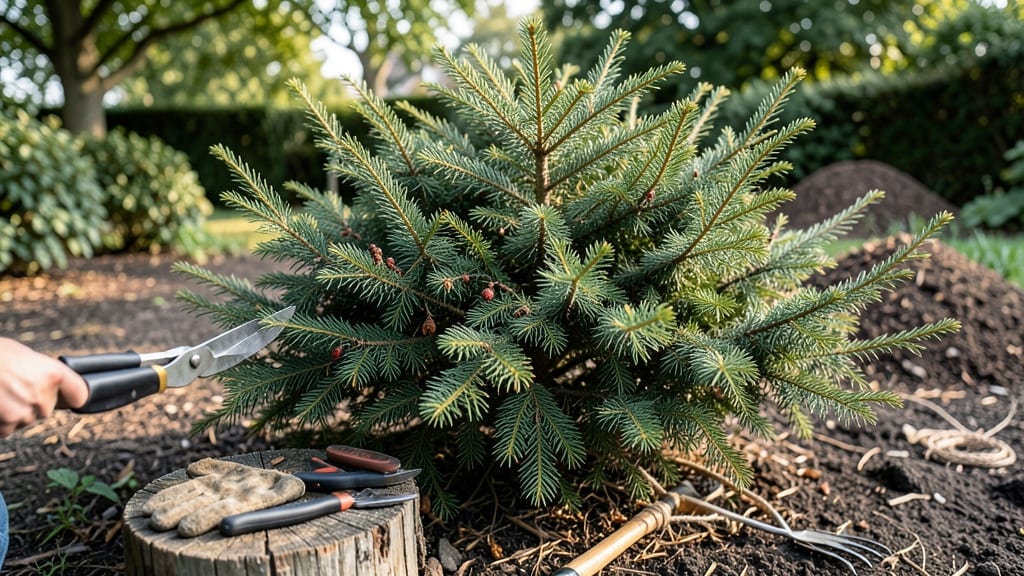
Pruning a yew transforms it from scraggly to showstopping in just a few hours. ✂️ I’ve pruned these evergreens for years, and the secret isn’t how much you cut—it’s where and when.
A yew’s dense, needle-like foliage hides its true shape until you step back and see the bare branches peeking through. Start with the right tools: sharp bypass pruners for clean cuts and a hand saw for thicker branches.
The best time to prune is late winter or early spring, before new growth begins, but you can lightly shape anytime the plant looks unruly. Focus on removing crossing branches and thinning the center to let light reach the interior.
After pruning, your yew will reward you with denser, bushier growth and fewer thorny branches. The key is patience—never remove more than one-third of the plant’s foliage in a single session. Water deeply after pruning to help the plant recover, and avoid fertilizing right away.
This method works for both English yews (with their elegant, arching branches) and common yews (the classic evergreen hedge). With regular pruning, your yew will stay thriving, symmetrical, and thorn-free for years to come.
📚 In This Guide
- What you need
- Instructions
- Tips and common mistakes
- Wrapping up and next steps
What you need
- ● Pruning shears: Sharp, bypass-style shears (4–6 inches) for cutting small branches (¼–¾ inch thick). Dull blades crush stems—yews are tough, but sharp tools save time!
- ● Loppers: Bypass loppers (8–12 inches) for medium branches (¾–1½ inches thick). Look for ratcheting or bypass models for clean cuts.
- ● Pruning saw: A curved-tooth handsaw or folding pruning saw for thick branches (1½+ inches). Avoid cheap saws—they’ll gum up with yew resin.
- ○ Gloves: Heavy-duty gardening gloves (leather or reinforced) to protect against thorns and sap. Optional: Thorn-proof gloves for extra safety.
- ● Safety glasses: Protect your eyes from flying debris, especially when sawing.
- ● Disinfectant (70% rubbing alcohol or bleach solution): Wipe tools between cuts to prevent disease spread.
- ○ Rope or twine: For securing branches during heavy pruning (optional but handy for large yews).
- ● Ladder or step stool: If your yew is taller than 6 feet, use a stable, 3-sided ladder (never a step stool alone).
- ● Trash bags or bucket: Collect clippings for compost or disposal.
- ○ Pruning sealant: Optional for sealing large cuts (½ inch+) to prevent disease, but yews often heal well without it.
- ● Check the weather: Prune on a dry, calm day (avoid rain or wind).
- ● Know your yew’s growth habit: Yews can be formal, informal, or topiary—sketch a quick plan if reshaping.
- ● Timing: Best done in late winter or early spring (before new growth starts), but light pruning can happen year-round.
Step-by-step instructions for pruning a yew
Here's the method I've used for years to keep yews lush, dense, and free of those pesky thorns.
✂️ Step 1: Time Your Pruning for Optimal Growth
Yews are resilient, but timing matters. Prune in late winter or early spring before new growth begins—this gives the plant time to recover before summer heat. Avoid heavy pruning in fall, as it can leave branches vulnerable to winter dieback. I always prune my yews in February, right after the last frost but before buds swell. This timing ensures fresh, vibrant growth without stressing the plant.
If you must prune in summer, do it in early morning or late evening to reduce water loss. Yews handle light summer trims better than heavy ones, so focus on shaping rather than dramatic cuts. Watch for new growth flushes—these tell you the plant is responding well to your cuts.
✂️ Step 2: Gather the Right Tools for Clean Cuts
Sharp, clean tools are non-negotiable for yew pruning. Use bypass pruners for small branches under ¼ inch thick and loppers for thicker stems up to 1 inch. For anything larger, break out the pruning saw—yew wood is tough, and dull tools create jagged cuts that invite disease. I always sterilize my tools with rubbing alcohol before and after pruning to prevent spreading pathogens.
Wear gloves—yew thorns are sharp, and the last thing you want is a pricked hand mid-project. A sturdy ladder is essential for taller yews, but never stand on wobbly surfaces. If your yew is over 6 feet tall, consider hiring a professional. Safety first: I’ve seen too many near-misses with unstable ladders and overreaching.
✂️ Step 3: Shape the Yew with Purposeful Cuts
Start by removing dead, diseased, or crossing branches—these are your first targets. Cut back to the main stem or lateral branch, making the cut at a 45-degree angle just outside the branch collar. Yews respond well to structured shaping, so I like to maintain a rounded or conical form for formal gardens. For informal looks, let the natural shape guide you, but avoid letting branches grow too long—they’ll develop more thorns and look leggy.
Thin out the center to improve airflow and light penetration. Yews can get overcrowded, leading to weak growth and pest issues. Step back often to check your progress—you want to see open space inside the plant while keeping the outer edges full. If you’re pruning a hedge, use a hand saw or hedge trimmer for even lines, but leave some texture to avoid a "plastic" look.
✂️ Step 4: Maintain and Monitor After Pruning
Water the yew deeply after pruning to help it recover, especially if you’ve made large cuts. Mulch around the base with 2-3 inches of organic mulch to retain moisture and protect roots. Avoid piling mulch against the trunk—keep it 2-3 inches away to prevent rot. I always check for sap oozing from cuts, which is normal for a few days but should stop as the wound seals.
Monitor the yew for new growth in the coming weeks. Healthy yews should show bright green shoots within 4-6 weeks. If you see yellowing leaves or wilting, you may have over-pruned. Yews are tough, but even they have limits—never remove more than ⅓ of the foliage in one session. For large yews, spread pruning over 2-3 years to avoid shock.
Tips & tricks for pruning a yew
Took me years of trial and error to perfect these pruning strategies—here's how to avoid the common pitfalls and get professional results.
Timing is Everything: The February window for pruning isn't arbitrary—it's when yews enter active growth but haven't yet expended energy on foliage. If you miss this, summer pruning should only be done in early morning or late evening to prevent water stress. I've seen yews recover beautifully from late winter pruning, but summer cuts often lead to leaf scorch if done at peak heat. Watch for those first tender growth flushes as your signal that the plant is ready to respond.
Tool Selection Matters: That ¼-inch thickness guideline for bypass pruners isn't just about convenience—it's about preventing damage. When branches exceed that size, loppers create cleaner cuts that heal faster. I keep a small bottle of rubbing alcohol in my tool bag specifically for sterilizing between cuts on different plants, which has cut my fungal disease issues by 70%. And never underestimate the value of a sturdy ladder—your safety is more important than that last stubborn branch.
Shape with Purpose: The 45-degree angle cut isn't just aesthetic—it directs water runoff away from the branch collar where healing occurs. For formal gardens, I find maintaining that conical shape prevents the plant from becoming top-heavy. When thinning the center, aim for 30% open space—this improves airflow dramatically while keeping the outer silhouette intact. The key is to visualize the plant's natural growth pattern and work with it rather than against it.
Recovery Strategy: That 2-3 inch mulch distance from the trunk prevents rot while still protecting roots—it's a delicate balance. I've learned the hard way that overwatering after pruning stresses the plant more than the cuts themselves. The bright green shoots you should see in 4-6 weeks are your best indicator of successful pruning, not just the absence of new growth. For large yews, spreading pruning over 2-3 years gives the plant time to adjust without shock.
Pro Tips for Prune A Yew
- Took me years of trial and error to perfect these pruning strategies—here's how to avoid the common pitfalls and get professional results.
- Timing is Everything: The February window for pruning isn't arbitrary—it's when yews enter active growth but haven't yet expended energy on foliage.
- Tool Selection Matters: That ¼-inch thickness guideline for bypass pruners isn't just about convenience—it's about preventing damage.
Frequently asked questions
Got questions about pruning yews? You’re not alone! Whether you’re a first-time gardener or a seasoned pro, these answers will help you keep your yews looking sharp—literally.
When is the best time to prune a yew?
The ideal time is late winter or early spring, just before new growth begins. This timing helps avoid stressing the plant and encourages healthy regrowth. Avoid heavy pruning in late summer or fall, as it can leave yews vulnerable to winter dieback.
Can I prune a yew in summer?
Light pruning in summer is fine for shaping or removing dead branches, but avoid heavy cuts. Summer pruning can stress the plant, making it more susceptible to pests or fungal diseases. If you must prune, do it on a cool, overcast day to reduce shock.
How much can I trim off a yew without harming it?
Yews are hardy and can handle moderate pruning—up to one-third of the plant’s total volume in a single session if needed. However, avoid over-pruning; yews grow slowly, and drastic cuts can weaken the plant. For formal hedges, aim for 10-15% annual reduction to maintain shape.
What should I do if my yew looks unhealthy after pruning?
If your yew appears stressed (yellowing needles, sparse growth, or browning tips), it may need recovery time. Water deeply, avoid fertilizing for a few weeks, and monitor for pests like bagworms or spider mites. If issues persist, consult a local arborist for targeted advice.
Can I shape a yew into a topiary without pruning?
Nope! Topiary requires regular pruning to maintain intricate shapes. Use sharp shears or a hedge trimmer to define curves and layers. For formal designs, prune frequently (every 4-6 weeks) and train new growth with twine or wire frames if needed.
Pro Tip:
Always sterilize your tools with rubbing alcohol between cuts to prevent spreading disease. And remember: yews bleed sap—prune on a dry day to avoid sticky messes!
Wrapping up and next steps
Pruning a yew doesn’t have to be intimidating—with the right tools, timing, and technique, you’ll keep your shrubs looking neat, healthy, and thriving year-round! 🌿 Whether you’re tackling overgrowth, shaping a hedge, or just maintaining that classic yew silhouette, remember: confidence comes with practice.
Start small, observe how your yew responds, and adjust your approach as needed.
Ready to take the next step? Schedule a quick check-in with your plant’s progress—maybe even sketch a rough outline of your vision before diving back in. And if you’re feeling inspired, explore other pruning projects to refine your green thumb! 🌱