
Pruning
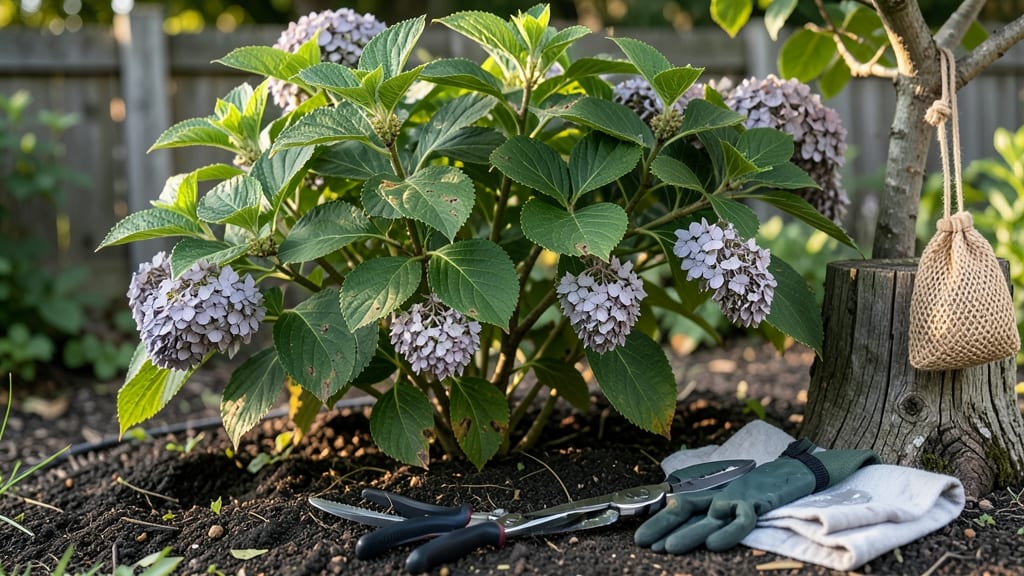
Pruning bigleaf hydrangeas for winter isn’t just about tidying up—it’s the secret to next year’s showstopping blooms. ✂️ I’ve learned the hard way that timing matters: prune too early, and you’ll sacrifice flowers; wait too long, and you risk weakening the plant.
The late winter/early spring window (just as buds swell but before leaves emerge) is your sweet spot for a foolproof reset. You’ll need sharp pruners, gloves, and a clear day to assess the plant’s structure. The goal?
Remove dead or crossing branches while preserving next year’s flower buds, which form on old wood. Bigleaf hydrangeas reward patience—proper pruning now means larger, more vibrant blooms by summer, with fewer floppy stems and better air circulation.
Start by cutting back 1/3 of the oldest stems to the ground, then trim the rest to open the center. The buds look like tiny green knobs—leave them!—and avoid heavy pruning on new growth.
Afterward, your hydrangea will look neater and stronger, setting the stage for a bigger, bolder display come bloom time. This method works for container-grown plants too, just scale the tools.
The key is consistency: repeat this process every 1-2 years, and your hydrangeas will thank you with years of lush, reliable blooms. Ready to transform last year’s scraggly mess into next year’s star?
📚 In This Guide
- What you need
- Instructions
- Tips and common mistakes
- Wrapping up and next steps
What you need
- ● Pruning shears or loppers – Choose bypass pruners (for clean cuts) or loppers (for thicker stems, ½"–1" diameter). Sharpen blades beforehand!
- ● Hand pruners – For smaller stems (up to ¼" diameter). Opt for ergonomic handles to reduce hand fatigue.
- ● Garden gloves – Heavy-duty, cut-resistant (e.g., 12–14" length) to protect against thorns and rough stems.
- ● Disinfectant (70% isopropyl alcohol or bleach solution) – 1 part bleach to 9 parts water. Wipe tools between cuts to prevent disease spread.
- ● Rake or leaf blower – To clear fallen leaves/debris from the pruning area (reduces slip hazards and pest hiding spots).
- ● Garden twine or zip ties – For securing large branches if temporary support is needed post-pruning.
- ● Wheelbarrow or trash bags – For hauling pruned branches away (aim for black or brown bags for composting, if allowed locally).
- ● Pruning saw – For stems thicker than 1.5" (rare in bigleaf hydrangeas, but useful for overgrown plants).
- ● Knee pads or stool – If your hydrangea is tall or the ground is uneven.
- ● Plant marker or spray paint – To label pruned branches if you’re experimenting with shaping.
- ● Compost bin access – Bigleaf hydrangea prunings can compost (if disease-free), but avoid woody stems over 1" thick.
- ● Timing – Prune after the first hard frost (late fall/early winter) but before new growth starts in spring.
- ● Weather check – Choose a dry, calm day (no rain forecast for 24 hours) to avoid soil erosion or fungal risks.
- ● Plant health assessment – Inspect for dead, diseased, or pest-infested branches before pruning. Remove these first, regardless of season.
Step-by-step instructions for pruning bigleaf hydrangeas for winter
Here's the method I rely on to maximize next year's blooms while keeping plants healthy through dormancy.
🪴 Step 1: Time Your Pruning for Optimal Dormancy
Prune bigleaf hydrangeas late fall to early winter, after the first hard frost but before sub-freezing temperatures persist. This timing lets the plant seal its energy into the roots while removing dead or weak growth. I always wait until after the first frost because it signals the plant to enter dormancy naturally.
Look for brown, crispy leaves and dormant stems as your cue—this means the plant has stopped active growth. If you prune too early, you risk encouraging new growth that won't harden off before winter. If you wait too late, the plant may struggle to recover in spring.
✂️ Step 2: Remove Dead, Diseased, or Weak Growth First
Start by cutting out any dead, diseased, or crossing branches using clean, sharp pruners. Dead wood is easy to spot—it's brown, brittle, and hollow when cut open. Diseased branches often have black spots, mold, or unusual growths. Remove these first to improve air circulation and reduce next year's pest risks.
Next, thin out weak or spindly stems that aren't producing blooms. These often grow in the center of the plant and compete with stronger branches. I like to step back and visualize the plant's shape—remove stems that disrupt the natural form or grow inward. This ensures light and nutrients reach the remaining branches.
🌿 Step 3: Prune for Shape and Airflow
Bigleaf hydrangeas bloom on old wood, so avoid heavy pruning of last year's growth. Instead, focus on light shaping cuts to maintain an open center. Aim to remove no more than 25-30% of the plant's total growth—this keeps the plant strong while encouraging larger blooms next season.
Cut just above a bud or lateral branch that faces outward. This maintains the plant's natural shape while promoting airflow. Avoid leaving stubs—cut cleanly about ¼ inch above the bud. If you're unsure which buds will produce flowers, don't worry: bigleaf hydrangeas are forgiving, and even pruned stems often regrow.
⏰ Step 4: Clean Up and Protect for Winter
After pruning, remove all debris from the base of the plant and surrounding area. This prevents pests and diseases from overwintering. I also apply a 2-3 inch layer of mulch around the base (though not directly against the stems) to insulate the roots and retain moisture.
If your winters are harsh, consider wrapping the plant in burlap or frost cloth to protect it from drying winds. Avoid plastic wraps—they trap moisture and can cause rot. Water the plant deeply before the first hard freeze to ensure it has enough moisture stored in its roots for dormancy.
Tips & tricks for perfect winter pruning of bigleaf hydrangeas
These are the hard-won lessons that'll help you transform your hydrangeas into next year's showstoppers without the common pitfalls.
Timing is Everything: The late fall to early winter window is your golden opportunity—prune after the first hard frost when leaves turn brown and crispy, but before temperatures drop below freezing for more than a few hours. I've seen too many gardeners rush this step and end up with tender new growth that won't survive winter. Think of it as nature's perfect pause button for your plant. If you're in a region with unpredictable weather, set a calendar reminder for two weeks after your first frost date.
Tool Preparation Matters: Your pruners are the unsung heroes of this process. Before you start, sharpen your pruning shears and disinfect them with rubbing alcohol—this prevents spreading disease between cuts. I also like to wipe down the blades with a clean cloth between each plant if I'm working with multiple hydrangeas. A dull blade crushes stems instead of making clean cuts, which stresses the plant. For thicker branches, use loppers with a bypass blade for cleaner cuts that heal better.
Visualize the Plant's Future: Step back and look at your hydrangea from all angles before making any cuts. The goal is to create an open center that allows sunlight and air to circulate freely. I imagine the plant's mature shape and remove stems that would grow inward or cross others. This isn't just about aesthetics—proper airflow reduces humidity buildup, which prevents fungal diseases. Remember, you're aiming to remove no more than 25-30% of the plant's total growth, so be judicious with your cuts.
Winter Protection Strategy: For plants in Zone 5 or colder, consider creating a protective barrier around the base after pruning. I've had great success with a 2-3 inch layer of mulch (like shredded bark) combined with a light wrapping of burlap around the stems. This combo insulates roots while preventing moisture buildup that could cause rot. The key is to keep the wrap loose—tight wraps can actually trap cold air and damage stems. Think of it as giving your hydrangea a cozy winter sweater.
Pro Tips for Prune Bigleaf Hydrangea For Winter
- These are the hard-won lessons that'll help you transform your hydrangeas into next year's showstoppers without the common pitfalls.
- I've seen too many gardeners rush this step and end up with tender new growth that won't survive winter.
- Tool Preparation Matters: Your pruners are the unsung heroes of this process.
Frequently asked questions
Got questions about pruning your bigleaf hydrangeas for winter? You’re not alone! Here are some of the most common concerns—and straightforward answers—to help you feel confident as you prep your plants for the off-season.
When is the exact best time to prune bigleaf hydrangeas?
Prune your bigleaf hydrangeas after the first hard frost (typically late fall to early winter) but before new growth starts in spring. This dormant season timing ensures you’re cutting back last year’s blooms without risking early buds. Think of it as a winter reset—your plant will thank you with bigger blooms next summer!
Do I cut back bigleaf hydrangeas all the way to the ground?
Nope! Unlike some hydrangeas, bigleaf varieties (like ‘Endless Summer’) don’t need drastic cuts. Trim back only the dead or weak stems by about ⅓ of their height to encourage fresh growth. Over-pruning can stress the plant, so aim for a light touch—think “shape, not shear.”
What if I missed the dormant season window? Can I still prune?
Yes, but time it right! If you wait until early spring (before buds swell), you can still prune lightly to shape the plant. Avoid pruning in late spring or summer, as this can remove next year’s flower buds. Patience pays off—your hydrangea will bounce back!
Will pruning now affect this year’s blooms?
Not at all! Bigleaf hydrangeas bloom on new wood, meaning this year’s flowers grow from fresh spring growth—not last year’s stems. Pruning in winter actually boosts next year’s blooms by removing clutter and redirecting energy. Think of it as a spa day for your plant!
What should I never do when pruning bigleaf hydrangeas?
Avoid these pruning pitfalls:
- Pruning in fall before frost—this can stimulate late growth that won’t survive winter.
- Using dull or dirty tools—clean cuts heal faster, and sharp shears prevent damage.
- Over-trimming healthy stems—stick to ⅓ of the plant’s height max.
- Ignoring dead wood—always remove stems that are brown, mushy, or hollow.
Pro tip: Take “before” photos if you’re unsure—it’s easier to visualize the changes!
Wrapping up and next steps
Pruning your bigleaf hydrangea in late winter or early spring isn’t just about tidying up—it’s your secret to bigger, healthier blooms next season!
By removing dead wood, shaping for airflow, and encouraging new growth, you’re setting the stage for a stunning summer display. Don’t wait—grab those pruners and give your plant the care it deserves!
Ready to transform your garden? After pruning, check out our guide on fertilizing and mulching to give your hydrangea the extra boost it needs for explosive growth. 🌿✨