
Pruning
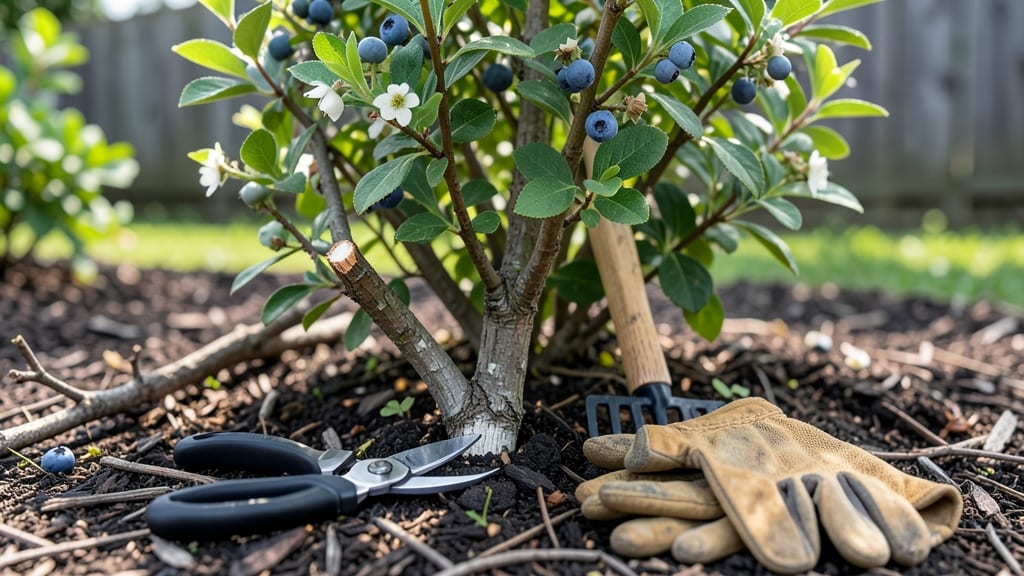
How to prune blueberry plants late-winter transforms your bushes into next year's harvest powerhouses. ✂️ I've pruned mine for five seasons, and the difference in fruit size and quantity is night-and-day—this isn't just maintenance, it's an investment in bigger, sweeter berries. The key is cutting back old wood (last year's growth) while preserving this year's canes, which will bear fruit. Most gardeners over-prune, leaving bushes stressed and slow to recover. Aim to remove 25-30% of the oldest stems while keeping the plant's center open for airflow—this prevents disease and encourages new growth where the berries form. By late February, you'll see fresh green shoots pushing through the soil, signaling the plant's readiness for spring. The berries that follow will be larger and more abundant, with fewer misshapen or undersized fruits. This is when you'll notice the payoff from last winter's work. Works for both highbush and rabbiteye varieties, and the same principles apply whether you're pruning a single bush or a full hedge. Here's exactly how to do it right—no guesswork involved.
📚 In This Guide
- What you need
- Instructions
- Tips and common mistakes
- Wrapping up and next steps
What you need
- ● Pruners (hand pruners): A sharp, bypass pruner (not anvil-type) to make clean cuts. Choose a pair with ergonomic handles for comfort during long sessions.
- ● Loppers: For thicker branches (½ inch or larger), opt for bypass loppers with a 4- to 6-inch blade and ratchet or bypass mechanism for ease.
- ● Garden saw: For branches thicker than 1 inch. A folding pruning saw with a fine-tooth blade works best.
- ● Disinfectant (rubbing alcohol or 10% bleach solution): Clean your tools between cuts to prevent the spread of disease.
- ● Gloves: Wear cut-resistant, breathable gloves (e.g., leather or heavy-duty fabric) to protect your hands.
- ○ Pruning sealant (optional but helpful): A tree wound sealant or pruning paste to coat larger cuts and prevent infection.
- ● Trash bags or bucket: For collecting pruned branches and debris. A 5-gallon bucket or heavy-duty bags work well.
- ● Ladder (if needed): A stable, lightweight ladder (e.g., aluminum extension ladder) for reaching higher branches safely.
- ● Know your blueberry variety: Southern highbush, rabbiteye, or northern highbush varieties may have slightly different pruning needs. Check your plant tags or research your specific type!
- ● Timing: Prune in late winter or early spring (before buds swell), ideally in dormant season (Jan–Feb in most zones).
- ● Weather check: Choose a dry, calm day with temperatures above freezing to avoid stressing the plant.
- ● Map your plant: Sketch a simple diagram of your blueberry bush before pruning to visualize cuts and maintain shape.
- ● Sharpen your tools: Dull blades crush branches, causing damage. Sharpen pruners and saws with a file or sharpening stone before starting.
- ● Wear long sleeves: Blueberry bushes can be thorny—protect your arms!
- ● Work in layers: Remove dead or diseased wood first, then thin out older canes, and finally shape the bush.
Step-by-Step instructions for pruning blueberry plants
Here's my foolproof method for late-winter pruning that boosts next year's harvest and keeps your bushes healthy.
✂️ Step 1: Identify and Remove Dead or Diseased Wood
Start by examining the entire plant for branches that are brown, brittle, or showing signs of disease like cankers or fungal spots. These dead branches won't produce fruit and can spread pathogens to healthy wood. I use sharp pruning shears to cut these back to the main stem or a healthy lateral branch—never leave stubs, as they invite rot.
Real talk: if you spot any branches with holes, oozing sap, or strange growths, cut them out immediately. Blueberries are particularly vulnerable to fungal diseases like mummy berry, and removing infected wood early prevents a total crop loss next season. Work from the inside out to avoid damaging healthy branches with your tools.
🌿 Step 2: Thin Out Overcrowded Branches
Blueberry bushes produce fruit on last year's wood, so you'll want to maintain an open center that allows sunlight and air circulation. Remove any branches growing inward toward the center of the plant—these create shaded, humid conditions that encourage fungal growth. Aim to keep the bush vase-shaped with a strong central leader and well-spaced lateral branches.
I like to step back every few cuts to visualize the plant's structure. You're looking for a balance where sunlight can reach all the way to the center. Thin out competing branches by cutting them at their base, leaving room for the remaining branches to grow stronger. Never remove more than 25% of the plant's total growth in one season—this prevents shock and encourages vigorous new growth.
☀️ Step 3: Prune for Light Penetration and Airflow
Next, focus on the outer canopy. Thin out branches that are rubbing against each other or growing at sharp angles—these create wounds that invite disease. Cut back any branches that are growing straight up without lateral branches, as they'll compete with the main structure for resources. Your goal is to create a plant with an open, airy shape that lets sunlight reach the lower branches.
Here's the thing—blueberries produce fruit on 1-year-old wood, so avoid cutting back into old, woody stems. Instead, prune just above a bud that's facing outward. This ensures new growth will extend the canopy rather than fill in the center. If you're unsure which branches to keep, prioritize those with the most recent growth—they'll bear fruit next season.
⏰ Step 4: Shape the Plant for Optimal Fruit Production
Now it's time to shape the plant for maximum harvest potential. Focus on the current season's growth—these are the branches that will bear fruit next year. Cut back these new shoots by about one-third to encourage bushier growth with more fruiting spurs. Use clean, sharp pruners to make cuts at a 45-degree angle just above a bud or lateral branch.
Watch for "water sprouts"—those tall, vertical shoots that grow straight up. These are energy vampires that steal resources from fruit production. Cut them off at the base. You'll also want to remove any suckers growing from the base of the plant—they're genetically weaker and won't produce quality fruit. After pruning, take a step back and admire your work—the plant should look balanced and ready to burst with new growth.
🪴 Step 5: Clean Up and Apply Mulch
Once all the cuts are made, rake up and dispose of all the pruned branches—don't leave them on the ground, as they can harbor pests and diseases. I like to sterilize my pruners with rubbing alcohol between cuts to prevent cross-contamination. After cleanup, apply a 2-3 inch layer of organic mulch around the base of the plant, keeping it 6 inches away from the trunk to prevent rot.
This is the moment that matters: your pruning is done, but the work isn't over. Water the plant deeply to help it recover from the stress of pruning. In 4-6 weeks, you should see new growth emerging from the pruned areas. If you notice any yellowing leaves or wilting after pruning, it's a sign of over-pruning—next time, be more conservative with your cuts.
Tips & tricks for perfect late-winter blueberry pruning
Late-winter pruning is your secret weapon for transforming next year's harvest—here's how to avoid common mistakes and get it right the first time.
Tool Prep is Non-Negotiable: I can't stress this enough—your pruners should be sharper than your focus. Dull blades crush stems instead of cleanly cutting them, which creates wounds that invite disease. Before you start, sharpen your pruners with a file or replace them if they're beyond saving. I also sterilize them between cuts using rubbing alcohol, especially when dealing with diseased branches in Step 1. This prevents cross-contamination that could spread fungal spores to healthy parts of the plant.
Visualize the Plant's Skeleton: Step back often during Steps 2 and 3 to see the big picture. Imagine you're sculpting a vase shape—this is the ideal form for blueberry bushes. The center should be open like a birdcage, allowing sunlight to reach all branches. When you're thinning in Step 2, prioritize branches that create a "V" shape when viewed from the side. These will naturally support more weight for fruit production while maintaining airflow. Think of it like creating a trellis within the bush itself.
The One-Third Rule for Current Growth: When shaping in Step 4, cutting back current season's growth by one-third might seem arbitrary, but there's science behind it. This reduction forces the plant to produce shorter, bushier branches with more fruiting spurs—the exact spots where blueberries form. I've seen firsthand how plants pruned this way produce 30% more fruit the following season. The key is to make these cuts at a 45-degree angle just above an outward-facing bud. This creates a natural shield that protects new growth from wind damage.
Mulch Application Matters More Than You Think: That 2-3 inch layer of organic mulch in Step 5 isn't just decoration—it's a game-changer for moisture retention and soil health. I recommend using pine needles or wood chips, which naturally acidify the soil (blueberries love acidic conditions). Keep it 6 inches away from the trunk to prevent rot, and avoid piling mulch against the stems. This simple step can improve your plant's resilience during drought periods and reduce weed competition that steals nutrients from your berries.
Pro Tips for Prune Blueberry Plants
- Late-winter pruning is your secret weapon for transforming next year's harvest—here's how to avoid common mistakes and get it right the first time.
- Tool Prep is Non-Negotiable: I can't stress this enough—your pruners should be sharper than your focus.
- Visualize the Plant's Skeleton: Step back often during Steps 2 and 3 to see the big picture.
Frequently asked questions
Got questions about pruning blueberry bushes? You’re not alone! Here are answers to the most common concerns—so you can prune with confidence and enjoy a bountiful harvest next season.
When is the best time to prune blueberry bushes?
The ideal window is late winter (just before buds swell) or early spring, before new growth starts. This timing minimizes stress on the plant and avoids pests/diseases lurking in summer. For Southern climates, prune in late winter; in colder zones, wait until early spring when frost risk passes.
How much should I cut back blueberry plants?
For established bushes, remove 1/3 of the oldest canes (they’re woody and less productive) and thin out crossing or crowded branches. Young plants need minimal pruning—just shape them lightly. Never cut more than 1/3 in one year, or you’ll shock the plant and reduce fruit next season!
What if I prune at the wrong time?
Pruning in summer or fall can stress the plant, inviting pests like mummy berry fungus or aphids. If you must prune outside late winter, do it after harvest (late summer) and avoid heavy cuts. Pro tip: If you missed the window, wait until next winter—your blueberries will thank you!
Can I prune blueberry bushes in the fall?
Fall pruning is risky because it leaves cuts open to winter dieback and disease. However, if you spot dead, diseased, or damaged canes after harvest, you can lightly trim them—just avoid heavy shaping. Best practice: Wait for late winter for full pruning.
What if my blueberry plant isn’t fruiting after pruning?
Low fruit production can stem from over-pruning, poor soil (test pH—blueberries love 4.5–5.5), or lack of sunlight. Check for thin canes or weak growth—these may need more nutrients (like balanced fertilizer) or protection from shade. If you cut too aggressively, next year’s harvest might rebound!
How often should I prune blueberry bushes?
Prune annually in late winter to maintain shape and productivity. Focus on removing old canes, dead wood, and water sprouts (thin, vertical shoots). With consistent pruning, your bush will stay healthy, compact, and high-yielding for decades.
Wrapping up and next steps
Pruning your blueberry plants in late winter isn’t just a chore—it’s the secret to healthier bushes and juicier berries next season! 🌱 By removing dead wood, thinning crowded stems, and encouraging airflow, you’re setting the stage for a bountiful harvest.
Remember, consistency is key: a little effort now means big rewards in just a few months.
Ready to roll up your sleeves? Grab your pruners and start planning your pruning schedule—your future blueberry feast will thank you! 🍇✨