
Pruning
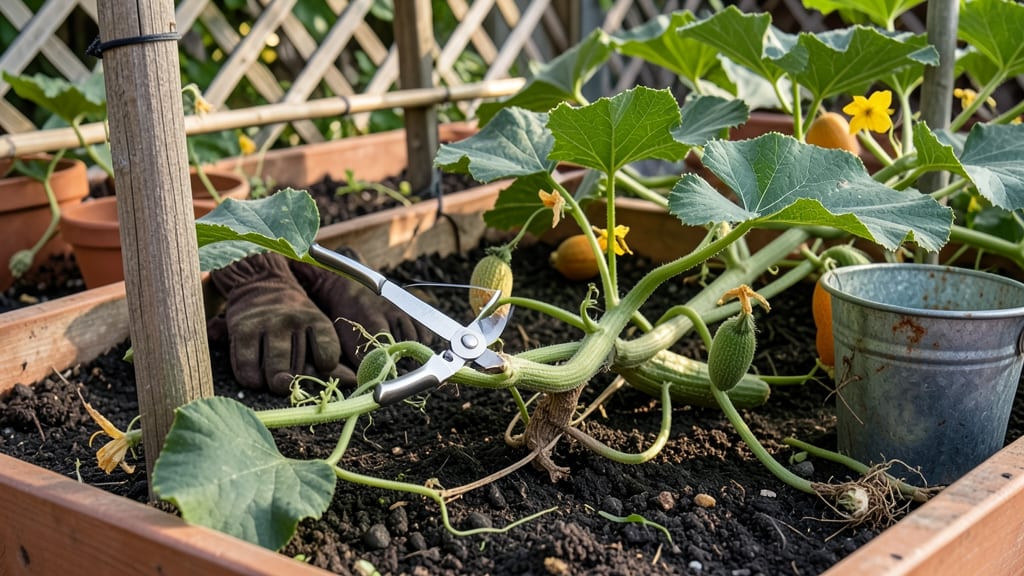
Pruning cantaloupe vines might seem counterintuitive—after all, why cut back a plant when you want more fruit? 🌱 The secret is redirecting energy into fewer, larger, sweeter melons instead of a dozen small ones.
I learned this the hard way after my first harvest yielded a dozen underripe melons while my neighbor’s vines produced three perfect, 10-pound beauties. Turns out, strategic pruning is the difference between a decent crop and a jaw-dropping one.
Start by waiting until the vines have 4-5 leaves and a few tendrils before making any cuts. Use clean, sharp pruners to snip off the topmost leaves and any side shoots growing below the first 6-8 inches of the main stem.
This might sound aggressive, but it forces the plant to focus its energy on fewer, stronger vines that produce bigger fruit. The key is balance—you’re not trying to shrink the plant, just shape it for maximum yield.
By mid-summer, you’ll notice the difference: fewer but larger vines, each with more flowers and fruit. The melons themselves develop deeper color and sweeter flavor because the plant isn’t spreading itself too thin.
I’ve seen yields double when done right—three perfect melons per vine instead of six small, seedy ones. The best part? This method works for both bush and vine varieties, so no matter how your cantaloupes grow, you’ll get better results.
Fair warning: Over-pruning is a real risk, especially for beginners. If you cut too much too soon, the plant might struggle to recover.
Stick to removing no more than 20-30% of the foliage at any one time, and always prune on a dry, sunny morning when the plant is actively growing. With practice, you’ll develop a feel for it—and your neighbors will be asking for your secrets by harvest time.
📚 In This Guide
- What you need
- Instructions
- Tips and common mistakes
- Wrapping up and next steps
What you need
- ● Pruning shears or secateurs: Choose a pair with bypass blades (sharp, curved edges) for clean cuts. Opt for 5-inch stainless steel shears for durability.
- ● Gloves: Wear gardening gloves (preferably nitrile-coated) to protect your hands from thorns and dirt.
- ● Disinfectant (70% rubbing alcohol or bleach solution): Clean your shears before and after pruning to prevent disease spread (1 part bleach to 9 parts water).
- ● Sharpie or permanent marker: For labeling pruned sections if you’re experimenting with training methods.
- ● Watering can or hose: Keep plants hydrated before and after pruning to reduce stress.
- ● Compost or mulch: 2–3 inches of organic mulch (straw, shredded leaves, or grass clippings) to retain moisture and suppress weeds.
- ● Hand pruners (for smaller cuts): Great for trimming delicate vines without damaging them.
- ● Loppers: For thicker stems (if your cantaloupe vines grow unusually robust).
- ● Plant ties or soft twine: To support vines if you’re training them vertically or along a trellis.
- ● Garden kneeler or stool: For comfort when working close to the ground.
- ● Spray bottle with water: Quick refresh for thirsty plants on hot days.
- ● Notebook & pen: Track pruning dates, vine growth, and fruit development for future reference.
Step-by-Step instructions for pruning cantaloupe vines
Here's how I transform wild, sprawling vines into productive powerhouses—bigger fruit, fewer pests, and a cleaner garden.
✂️ Step 1: Identify the Main Vine and Remove Weak Growth
Cantaloupes grow on the main vine, so your first cut is about making room for the star. Look for the thickest, healthiest stem—this is your primary vine. Snip off any side shoots growing from the main stem within the first 12 inches of the plant. These early branches steal energy from fruit development.
Use clean, sharp pruners to avoid tearing the vine. I always make cuts at a 45-degree angle, about ¼ inch above a leaf node. This encourages faster healing and prevents disease entry. If you see thin, leggy growth, remove it entirely—it won’t produce fruit and just competes with your main plant.
🌿 Step 2: Thin Side Vines to 2-3 Strongest Branches
Once your cantaloupe plant reaches 3-4 feet long, focus on the side vines. Keep only the 2-3 strongest, most upright branches growing from the main stem. These will bear your best fruit. Remove the rest by cutting at the base where they meet the main vine.
Here’s the trick: watch for vines with multiple leaves and small flowers. These are your keepers. Weak side vines (thin stems, few leaves) can go—they’ll drain the plant without repaying in fruit. I like to prune on a dry morning so the cuts heal faster and pests aren’t attracted to fresh sap.
✂️ Step 3: Prune After Flowering to Boost Fruit Size
After flowers appear, switch to "fruit-focused" pruning. Once a flower sets fruit (you’ll see a tiny melon forming), remove all other flowers on that vine. This forces the plant’s energy into growing fewer but larger melons. Use your fingers to gently twist off small flowers—no need for pruners here.
I also trim any vines that grow past the first 6 feet. Long, trailing vines produce small, poor-quality fruit. Cut back to the last 3-4 leaves after a fruit sets. This redirects energy to the melon instead of endless vine growth. You’ll notice the remaining fruit swelling faster and developing richer color.
🌱 Step 4: Clean Up Debris and Prevent Disease
Pruning creates waste, and that waste can harbor pests or disease. Collect all clippings and remove them from the garden bed immediately. Cantaloupe vines are susceptible to powdery mildew, so I spray the remaining plant with a 1% hydrogen peroxide solution (1 part 3% peroxide to 29 parts water) after pruning to sterilize the cuts.
Don’t forget to check the undersides of leaves for spider mites or aphids—pruning exposes them. If you spot pests, treat with neem oil or insecticidal soap. I also water the base of the plant deeply after pruning to help it recover. The soil should be damp but not soggy—cantaloupes hate wet feet.
⏰ Step 5: Monitor and Adjust Through the Season
Cantaloupe vines keep growing, so check them weekly. If you see new side shoots forming after fruit sets, remove them immediately. The goal is to maintain just one main vine with 2-3 strong branches bearing fruit. I also prune any leaves shading the melons—direct sunlight is key for sweetness.
By late summer, when fruit starts ripening, slow down pruning. Focus only on removing diseased or pest-infested leaves. You’ll know you’re doing it right when your vines look clean, open, and focused—no wild tangles, just productive growth. The result? Melons that ripen evenly, taste sweeter, and stay free of rot.
Tips & tricks for perfect cantaloupe vine pruning
The secret to cantaloupe success lies in strategic cuts—not just random snipping. Here’s how to turn your sprawling vines into fruit-bearing champions.
Timing is Everything: Prune on a dry morning when the plants are turgid (full of water). This makes cuts heal faster and reduces sap leakage, which attracts pests. I’ve seen cantaloupe vines recover beautifully after morning pruning, while afternoon cuts often leave the plant stressed. The 12-inch rule from Step 1 is your first defense—those early side shoots are energy vampires that’ll leave you with tiny fruit.
Pruning Angles Matter: Always cut at a 45-degree angle about ¼ inch above a leaf node (as in Step 1). This isn’t just a random suggestion—it’s about physics. The angled cut creates a larger surface area for faster healing, and positioning it above the node prevents water from pooling, which could rot the stem. I’ve ruined vines by cutting too close to the node, and the plant just… gave up. Don’t make that mistake!
Visual Cues for Healthy Growth: When thinning side vines in Step 2, look for branches with multiple leaves and small flowers. These are your keepers because they’ve already proven they can support fruit. Thin stems with few leaves? Snip them—those branches are just stealing nutrients from your melons. I once kept a weak side vine “just in case,” and ended up with a tiny, bitter melon while the main vine produced nothing. Trust the visual cues!
Post-Prune Care: After cleaning up debris in Step 4, don’t forget the 1% hydrogen peroxide spray. This isn’t just a fancy step—it’s disease prevention. Powdery mildew loves fresh cuts, and cantaloupes are particularly vulnerable. I mix 1 part 3% peroxide with 29 parts water in a spray bottle and give the plant a light misting. The extra step takes 2 minutes but can save your entire harvest from fungal infections.
Pro Tips for Prune Cantaloupe
- The secret to cantaloupe success lies in strategic cuts—not just random snipping.
- Timing is Everything: Prune on a dry morning when the plants are turgid (full of water).
- Pruning Angles Matter: Always cut at a 45-degree angle about ¼ inch above a leaf node (as in Step 1).
Frequently asked questions
Got questions about pruning cantaloupe? You’re not alone! Here are answers to the most common queries to help you grow healthier vines and sweeter fruit.
When is the best time to prune cantaloupe vines?
Prune cantaloupe vines early in the season (when plants are 6–12 inches tall) to encourage stronger growth. Avoid pruning during flowering or fruiting—this can stress the plant and reduce yields. Late-season pruning (to remove dead or diseased vines) is fine, but focus on maintenance rather than shaping.
Do I really need to prune cantaloupe, or is it optional?
Pruning is optional but highly recommended for cantaloupe. It improves air circulation, reduces disease risk, and directs energy to fruit production. If your vines are healthy and space isn’t an issue, you can skip it—but expect smaller yields. Pruning is especially useful in crowded gardens or humid climates.
What should I do if my cantaloupe vines look leggy or weak after pruning?
Leggy or weak vines often mean the plant is stressed. If this happens, reduce pruning severity next time—remove only excess or diseased growth. Boost growth by ensuring full sun (6–8 hours/day), consistent watering (1–2 inches per week), and balanced fertilizer (high in phosphorus and potassium). Side-dress with compost for extra nutrients.
Can I prune cantaloupe vines the same way as cucumbers or squash?
While cantaloupe, cucumbers, and squash are all Cucurbitaceae, their pruning needs differ. Cantaloupe benefits from light shaping to open the canopy, while cucumbers often need aggressive pruning to encourage vertical growth. Squash (like zucchini) rarely needs pruning. Focus on cantaloupe’s unique goals: air flow and fruit access.
What if I accidentally prune too much and my plant stops producing fruit?
Don’t panic! Cantaloupe vines are resilient. If over-pruned, stop trimming immediately and focus on recovery: water deeply, fertilize lightly, and protect from pests. New growth should sprout within 2–3 weeks. To prevent future issues, prune gradually and avoid cutting more than 1/3 of the vine at once.
Wrapping up and next steps
Pruning your cantaloupe vines might feel like a daunting task at first, but with the right techniques—timing, tools, and a little patience—you’ll be well on your way to a bountiful harvest of juicy, sweet melons. 🌱 Whether you’re trimming for better airflow, encouraging fruit growth, or managing pests, these year-round tricks will transform your garden into a cantaloupe powerhouse.
Now that you’re armed with the know-how, roll up your sleeves and get pruning! 🌿 Start small, observe your vines, and don’t forget to celebrate those first sweet rewards. Ready for the next step? Check out our guide on companion planting for cantaloupes to maximize your garden’s potential!