
How To
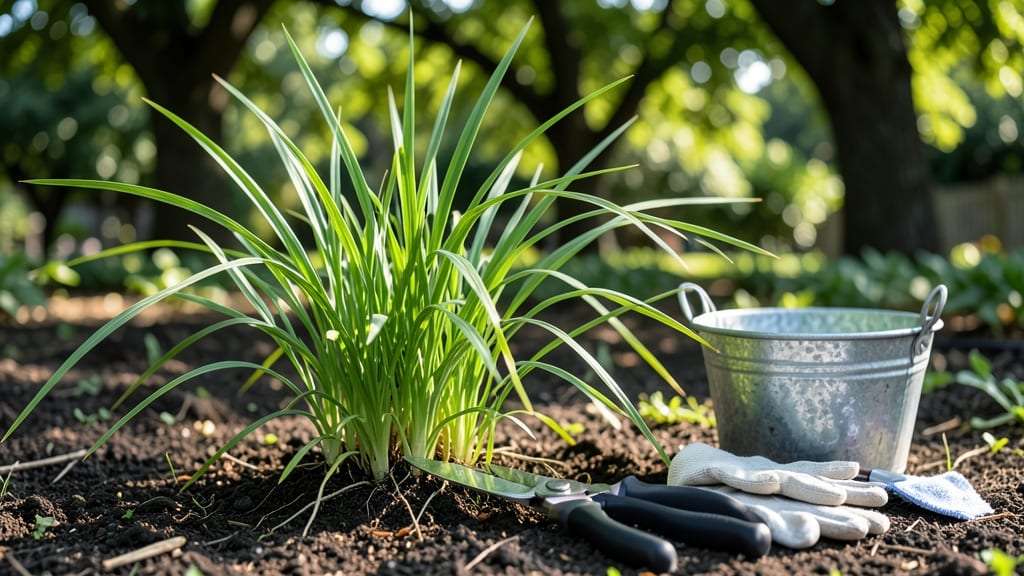
Pruning your citronella plant is the secret to a bushier, fragrant hedge that keeps mosquitoes at bay. ✂️ I used to let mine grow wild until I realized strategic cuts in early spring and after blooming tripled the foliage and scent.
The key is timing—prune when new growth appears, and always cut just above a leaf node to encourage branching.
Start with clean shears and focus on removing dead stems first, then shape by trimming back leggy growth by about one-third. Avoid heavy pruning in fall—citronella needs time to recover before winter.
After your first round, you'll notice thicker stems and more of that signature citrusy aroma that repels pests naturally.
📚 In This Guide
- What you need
- Instructions
- Tips and common mistakes
- Wrapping up and next steps
What you need
- ● Sharp pruning shears – Bypass pruners (4–6-inch blades) for clean cuts on stems up to ½ inch thick.
- ● Disinfectant (70% isopropyl alcohol or rubbing alcohol) – To sterilize tools and prevent disease spread.
- ○ Gloves (optional but recommended) – Nitrile or leather gloves to protect hands from thorns or sap.
- ● Gardening tape or twist ties – For securing large pruned branches if needed.
- ● Compost bin or bag – To collect pruned clippings (citronella regrows well from cuttings!).
- ● Hand pruners or loppers – For thicker stems (over ½ inch) if your plant is mature.
- ● Horticultural oil or fungicide – If your plant shows signs of pests or fungal issues.
- ● Notebook & pen – To sketch a quick map of your plant’s structure before pruning.
- ● Pruning saw (rarely needed) – Only for very large, woody stems.
Step-by-Step instructions for pruning citronella plants
Here's how to keep your mosquito-repelling plants bushy and thriving with minimal effort.
✂️ Step 1: Time Your Pruning for Peak Health
Prune your citronella plant in early spring just as new growth begins, or again in late summer after flowering. Avoid cutting back in fall or winter—this plant needs its energy to survive cooler months. You'll know it's ready when you see fresh green buds along the stems. This timing encourages dense, fragrant foliage that mosquitoes hate.
Never prune when the plant is stressed—look for yellowing leaves or wilted stems as a sign to wait. A healthy citronella plant has deep green leaves and vigorous new shoots. If you accidentally prune too late in the season, the plant may not recover before dormancy.
✂️ Step 2: Remove Dead or Damaged Growth First
Start by inspecting your plant for any brown, crispy, or diseased leaves—these are the first to go. Snip these off at the base with clean, sharp pruners, making cuts just above a healthy leaf node. You'll notice these dead areas often appear at the bottom of the plant first, where airflow is poorest.
Next, look for weak or leggy stems that grow away from the center. These stems rarely produce strong new growth and compete with healthier branches. Cut these back to the main stem, but leave at least 2-3 sets of leaves on any remaining stem to support future growth.
✂️ Step 3: Shape the Plant for Bushier Growth
Now it's time to shape your citronella into a fuller, more compact plant. Focus on cutting back the longest stems by about one-third of their length. Make your cuts just above a leaf node where new growth will emerge—this ensures the plant will branch out instead of growing tall and sparse.
For a rounded shape, trim stems that grow outward more aggressively than those in the center. You'll see the plant naturally fill in as new shoots grow from the cut points. Avoid cutting into old wood—the plant won't regrow from these bare stems. If you're unsure, err on the side of leaving more foliage.
✂️ Step 4: Encourage New Growth with Strategic Cuts
To promote bushier growth, pinch off the tip of any remaining leggy stems after your main pruning. This might seem counterintuitive, but it signals the plant to produce side branches instead of just growing taller. You'll notice new buds forming within 2-3 weeks of this light pruning.
If your citronella has flowered, deadhead the spent blooms by cutting the stems back to just above the next set of leaves. This redirects the plant's energy from seed production to leaf and stem growth, keeping it lush and fragrant. Avoid heavy pruning after flowering—this can weaken the plant before winter.
⏰ Step 5: Clean Up and Maintain Post-Pruning
After pruning, remove all cuttings and dispose of them in the trash—not the compost—since diseased plant material can spread pathogens. Wipe down your pruners with rubbing alcohol to prevent cross-contamination between cuts. You'll want to water the plant deeply after pruning to help it recover and reduce stress.
Keep your citronella in a spot with full sun to partial shade and water it when the top inch of soil feels dry. Avoid overwatering, which can cause root rot. Within 4-6 weeks, you should see noticeably fuller growth and a stronger citrus scent—your reward for a job well done.
Tips & tricks for pruning citronella plants
Here's what nobody tells you about keeping your citronella thriving—these tricks make all the difference.
Timing is Everything: The early spring and late summer timing in Step 1 isn't just arbitrary—citronella plants store energy during these periods. In early spring, you're tapping into the plant's natural growth surge, while late summer pruning prevents the plant from putting too much energy into flowering. I've seen plants recover beautifully after spring pruning, but those pruned in fall often struggle to bounce back before winter dormancy.
Leaf Node Location Matters: When shaping your plant in Step 3, those leaf nodes are where the magic happens. Always cut just above a node—this is where new growth emerges. I learned this the hard way after cutting too close to bare stems and waiting weeks for new growth that never came. Look for the tiny bump where leaves attach, and make your cut about 1/4 inch above it. This simple detail makes the difference between bushy regrowth and bare stems.
Strategic Pinching Pays Off: The pinch-off technique in Step 4 might seem counterintuitive, but it works wonders for encouraging bushier growth. After pruning, I always pinch off the tips of any remaining leggy stems—this forces the plant to branch out instead of growing tall. You'll notice new buds forming within those 2-3 weeks mentioned in the instructions, and your plant will develop that dense, mosquito-repelling foliage you're after. Think of it as giving your plant a little nudge to grow wider rather than taller.
Clean Tools Prevent Problems: The post-pruning cleanup in Step 5 is crucial for plant health. I can't emphasize enough how important it is to wipe down your pruners with rubbing alcohol between cuts—this prevents spreading any potential diseases from diseased leaves to healthy parts of the plant. I've seen entire citronella plants decline after using contaminated tools, so taking this extra 30 seconds makes a huge difference in long-term plant health. Also, remember to dispose of diseased cuttings in the trash, not compost, to prevent spreading pathogens to other plants.
Pro Tips for Prune Citronella Plant
- Here's what nobody tells you about keeping your citronella thriving—these tricks make all the difference.
- Timing is Everything: The early spring and late summer timing in Step 1 isn't just arbitrary—citronella plants store ...
- Leaf Node Location Matters: When shaping your plant in Step 3, those leaf nodes are where the magic happens. Always c...
Frequently asked questions
Got questions about pruning your citronella plant?
You’re not alone! Here are answers to the most common concerns—so you can keep your mosquito-repelling buddy thriving with confidence.
When is the best time of year to prune citronella?
Prune your citronella plant in early spring (just as new growth starts) or after flowering in late summer. Avoid heavy pruning in winter—it’s when the plant rests. Light trims to shape or remove dead branches can happen year-round, but major cuts should wait for active growth seasons.
How much can I trim without harming the plant?
You can safely trim up to one-third of the plant’s foliage in a single session, but avoid overdoing it. Focus on removing dead, yellow, or leggy stems first. For bushier growth, cut just above a leaf node (where leaves meet the stem). Never trim more than 30% in one go—citronella recovers well but needs time to bounce back!
How often should I prune my citronella plant?
Light maintenance pruning (snipping dead leaves or shaping) can happen monthly during the growing season (spring to fall). For major pruning (like rejuvenating an overgrown plant), do it once a year in early spring. Over-pruning stresses the plant, so consistency is key—think of it like giving your citronella a regular haircut, not a buzz cut!
What should I do if my citronella looks sad after pruning?
If your plant looks wilted or sparse after pruning, don’t panic! It’s normal for it to take 2–4 weeks to recover. Keep it in bright, indirect light, water moderately (let the top inch of soil dry out), and avoid fertilizing until new growth appears. If yellowing persists or stems rot, you may have over-pruned—trim less aggressively next time.
Can I use citronella prunings for anything else?
Dried citronella leaves
make a natural mosquito repellent—toss them into sachets or crush them for a DIY spray. You can also compost healthy prunings (avoid diseased ones) or use them as mulch around the base of the plant. Just skip the woody stems—they take too long to break down!
Wrapping up and next steps
Pruning your citronella plant isn’t just about keeping it tidy—it’s the secret to stronger growth, better fragrance, and a natural mosquito barrier! 🌿 With the right tools, timing, and technique, you’ll encourage lush foliage and maximize those repelling oils.
Now that you’re armed with the know-how, give it a try—your garden (and your skin) will thank you!
Ready to take it further? Experiment with propagation—those pruned cuttings can become new plants! 🌱 Just root them in water or soil, and soon you’ll have a whole army of mosquito-fighting allies.