
Pruning
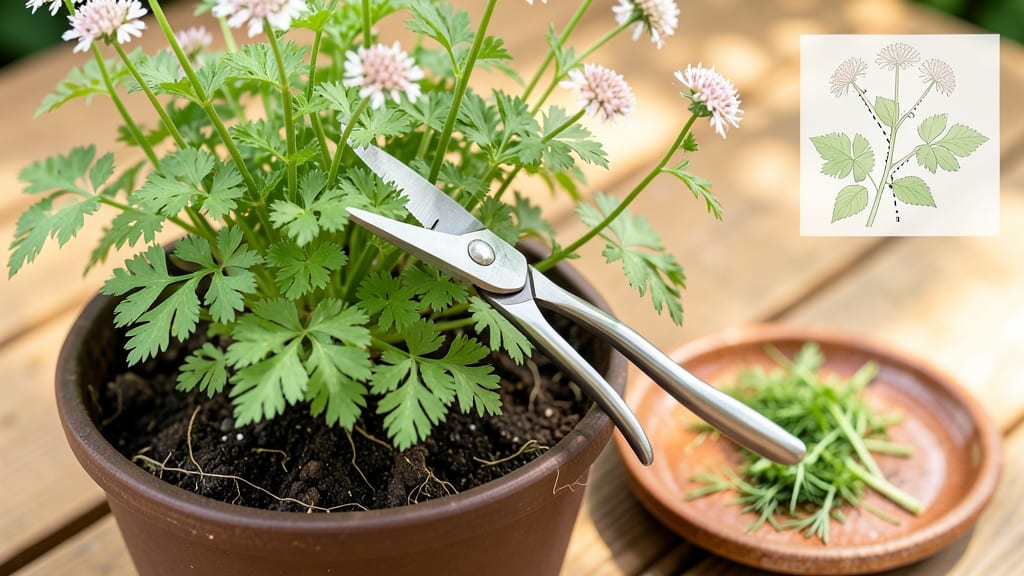
Pruning coriander keeps your plants producing fresh leaves for months instead of bolting in two weeks. 🌿 I used to pull the whole plant when the stems got woody—until I learned the secret of strategic cutting that turns a short-lived herb into a year-round staple.
The trick is timing and technique, and once you master it, you’ll never buy cilantro from the store again.
You only need two things: sharp scissors and a sunny windowsill or garden bed. Cut just above the third or fourth leaf from the bottom, leaving the lower leaves intact. This encourages new growth from the base while keeping the plant compact.
Most people over-prune or cut too close to the ground—both mistakes stunt regrowth. The goal is to harvest leaves without sacrificing the plant’s energy reserves.
Within 10-14 days, you’ll see fresh new shoots pushing up from the base, and the plant will stay bushy and productive for 6-8 weeks—or longer if you keep it indoors.
The leaves stay tender, flavorful, and bright green, perfect for garnishes or cooking. Pruning also delays bolting, the dreaded flower spike that turns cilantro bitter and unusable.
Works for container gardens, kitchen windowsills, or outdoor beds—just adjust your cutting frequency based on light levels. In cooler months, prune every 3-4 weeks; in summer heat, you might harvest every 2 weeks. The key is consistency, not aggression. Here’s how to do it right the first time.
📚 In This Guide
- What you need
- Instructions
- Tips and common mistakes
- Wrapping up and next steps
What you need
- ● Sharp pruning shears or scissors: A small pair of bypass pruners (for precision cuts) or clean kitchen scissors (for quick trims). Avoid dull blades—they can crush stems and stress the plant.
- ○ Gloves (optional but recommended): Lightweight gardening gloves to protect your hands from thorns or rough stems (some coriander varieties can be prickly!).
- ● Clean towel or paper towels: For wiping down tools before and after use to prevent the spread of disease.
- ● Watering can or spray bottle: A gentle spray helps reduce stress on the plant post-pruning. Aim for 1–2 cups of water per plant after trimming.
- ○ Compost or potting mix (optional): If you’re harvesting large amounts, consider repurposing pruned stems as compost or replanting cuttings in fresh soil.
- ○ Labeling tags (optional): If you’re experimenting with regrowth times, label pruned plants to track progress!
- ● Mature coriander plants: Wait until your plants are at least 4–6 inches tall with 4–6 true leaves before pruning.
- ● Healthy plants: Avoid pruning if leaves show signs of yellowing, wilting, or pests. Address these issues first!
- ● Sunlight & warmth: Prune in the morning on a cloudy day or in partial shade to reduce stress on the plant.
Step-by-Step instructions for pruning coriander
Harvesting and pruning coriander properly keeps it productive for months—here's how to do it right.
✂️ Step 1: Identify the Right Time to Prune
Coriander thrives when you prune it regularly, but timing matters. Start harvesting once the plant reaches about 6 inches tall—this usually happens 3-4 weeks after germination. You'll know it's ready when the lower leaves are large enough to use (about 2-3 inches long). Pruning at this stage encourages bushier growth rather than bolting.
Real talk: If you wait until the plant flowers, it'll bolt and go to seed within days, making the leaves bitter and tough. The goal is to keep the plant in a perpetual vegetative state. I always check the base of the stems for tiny flower buds—if you see even one, it's time to harvest immediately.
🌿 Step 2: Harvest Leaves Correctly for Continuous Growth
Use clean, sharp scissors or fingers to pinch off the outer leaves first. Never take more than one-third of the plant's foliage at once—this prevents stress and ensures regrowth. I like to harvest in the morning when the leaves are crisp and flavorful. Cut just above a leaf node (where new growth emerges) to encourage branching.
For a full harvest, snip the entire stem 1-2 inches above the base—this stimulates side shoots. Watch for new leaves emerging within 7-10 days—that's your signal the plant is recovering well. If you see yellowing leaves, you're over-harvesting. Let the plant rest for a week before pruning again.
⏰ Step 3: Manage Flower Stems Before They Bolt
Coriander bolts quickly when stressed, so remove flower stems immediately. As soon as you spot a tall, thin stem with tiny white flowers, snip it at the base. This redirection of energy keeps the plant focused on leaf production. I check daily during hot weather—high temperatures accelerate bolting.
Here's the thing—if you let even one flower stem mature, it'll trigger the entire plant to bolt within days. The seeds themselves are useful, but the leaves become bitter and stringy. Once you see flower buds, harvest everything immediately and compost the plant to prevent reseeding in your garden.
☀️ Step 4: Adjust Care After Heavy Pruning
After a major harvest, coriander needs extra care to recover. Water deeply every 2-3 days until you see new growth (7-10 days). The soil should feel moist 2 inches down—not soggy, just consistently damp. I also move potted plants to a shadier spot for a week to reduce stress.
Fertilize lightly with a balanced liquid fertilizer (10-10-10) diluted to half strength. Over-fertilizing causes rapid growth that bolts quickly. Watch for new leaves emerging from the base—that's your cue to return to normal care and resume harvesting.
🌱 Step 5: Extend the Season with Proper Techniques
To keep coriander growing year-round, protect it from extreme temperatures. In summer, provide afternoon shade and mulch heavily to retain moisture. In winter, move potted plants to a sunny indoor windowsill or under grow lights. The ideal temperature range is 60-75°F—any hotter or colder and growth slows dramatically.
I've kept coriander producing for 6-8 months using these methods. The key is consistency: regular pruning, immediate removal of flower stems, and adjusting care based on the plant's response. When you see the plant slowing down, it's time to start a new batch from seed—coriander's lifespan as a leaf producer is limited.
Tips & tricks for perfect coriander pruning
A few simple tricks will transform your coriander from a fleeting herb to a year-round leaf producer. The difference between a thriving plant and one that bolts too soon often comes down to these details.
Timing is Everything: The 3-4 week mark after germination is your sweet spot for the first harvest, but don't wait until the plant reaches 6 inches—start checking for those 2-3 inch lower leaves at 2-3 weeks. I've learned the hard way that even a single flower bud at the base will trigger bolting within days. Use a small handheld mirror to inspect the undersides of leaves if the plant is bushy.
Harvesting Technique: When you're ready to harvest those outer leaves in Step 2, use your thumb and forefinger to pinch them off cleanly rather than tearing. This prevents damage to the stem that can introduce disease. For the full stem harvest, leave that 1-2 inch stub intentionally—it's where all those new side shoots will emerge. I always harvest in the morning when the leaves are most flavorful and crisp.
Flower Stem Alert System: During hot weather, check your coriander daily for those telltale thin, white-flowered stems. The moment you spot one, snip it immediately at the base—this redirection of energy is what keeps your plant focused on leaf production. I keep a small pair of scissors in my gardening apron just for this purpose. If you see even a single flower bud, it's time to harvest everything immediately and compost the plant.
Seasonal Adjustments: The 60-75°F ideal temperature range is critical—any hotter and growth accelerates toward bolting, any cooler and it slows dramatically. In summer, provide afternoon shade and mulch heavily to retain moisture. In winter, move potted plants to a sunny indoor windowsill or under grow lights. I've kept coriander producing for 6-8 months using these seasonal adjustments, though eventually you'll need to start fresh from seed.
Pro Tips for Prune Coriander
- A few simple tricks will transform your coriander from a fleeting herb to a year-round leaf producer. The difference ...
- Timing is Everything: The 3-4 week mark after germination is your sweet spot for the first harvest, but don't wait un...
- Harvesting Technique: When you're ready to harvest those outer leaves in Step 2, use your thumb and forefinger to pin...
Frequently asked questions
Got questions about keeping your coriander fresh and thriving? Here are some of the most common concerns—plus expert answers to help you prune like a pro!
When is the best time to prune coriander for maximum regrowth?
Prune coriander early in the morning when the soil is moist but the plant hasn’t been exposed to intense heat. Avoid pruning after heavy watering or during peak sun—this can stress the plant. Pro tip: If you’re growing in hot climates, prune in the shade to prevent wilting.
How much of the plant should I cut back when pruning?
Leave about 2–3 inches of growth above the soil or the last set of leaves. Cutting too aggressively can shock the plant, while leaving too much may encourage legginess. For bushier regrowth, trim just above a leaf node (the bump where leaves attach).
Why does my coriander bolt after pruning?
Coriander bolts (sends up flowers) due to heat stress, drought, or maturity. To prevent this, keep soil consistently moist, provide partial shade in hot weather, and prune before the plant flowers. If it bolts, harvest leaves quickly—they’ll turn bitter faster.
Can I use kitchen scissors or should I invest in pruning shears?
For small batches, clean kitchen scissors work fine—just sterilize them with rubbing alcohol first. For heavy pruning or large plants, sharp pruning shears make the job easier and reduce damage. Bonus tip: Avoid dull tools, as they crush stems and slow regrowth.
What’s the deal with coriander turning bitter after pruning?
Bitter flavor happens when coriander bolts or gets too hot. To keep it mild, prune young leaves first (they’re sweeter) and avoid pruning in extreme heat. If it’s already bitter, use the stems (which are milder) or freeze the leaves for later use in soups or stews.
How often should I prune coriander for continuous harvests?
Prune every 2–3 weeks to encourage fresh growth. If you’re growing in warm weather, you may need to prune more frequently (every 1–2 weeks) to prevent bolting. Remember: Regular pruning = more leaves over time!
Wrapping up and next steps
Pruning coriander is your secret weapon for a bountiful, flavorful harvest all year round! By following these simple steps—like cutting just above the leaves and avoiding the woody base—you’ll encourage fresh, vibrant growth and prevent bitter stems.
With a little patience and care, your coriander will thrive, giving you a steady supply of cilantro for your favorite dishes.
Ready to level up your herb game? 🌱 Start by planting a new batch or experimenting with different pruning techniques to see what works best for your climate. Happy gardening—and enjoy that fresh, zesty flavor! 😊