
How To
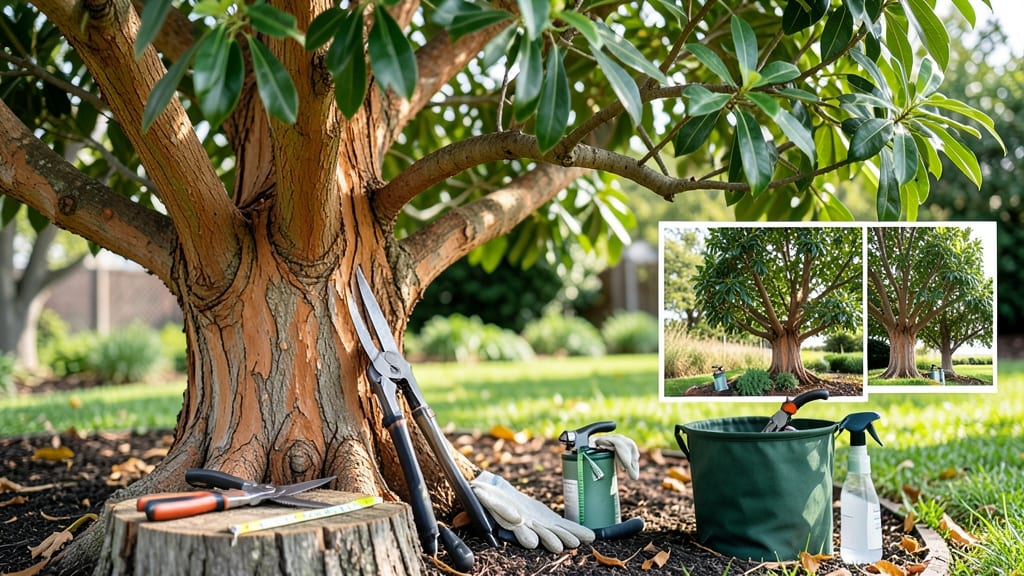
Pruning crepe myrtles in late winter transforms them from tangled messes into showstopping trees. 🌿 I’ve turned three overgrown "witches’ brooms" into thorn-free beauties with just a few strategic cuts—no more "crepe murder" mistakes. The key is timing, technique, and knowing where to stop.
Start with clean, sharp pruners and loppers to make precise cuts just above outward-facing buds. Remove dead wood first, then thin out crowded branches to improve airflow. For thick branches, cut in stages to avoid tearing the bark.
You’ll see new growth emerge by spring, with a cleaner shape and fewer thorns.
📚 In This Guide
- What you need
- Instructions
- Tips and common mistakes
- Wrapping up and next steps
What you need
- ● Sharp pruning shears – Bypass pruners (for cuts under ½ inch) or anvil pruners (for thicker branches). Look for ergonomic handles and rust-resistant blades.
- ● Loppers – For branches ½ to 1½ inches thick. Opt for bypass loppers for cleaner cuts.
- ● Pruning saw – A curved-tooth pruning saw for branches 1½+ inches thick. Avoid cheap saws—they can tear bark.
- ● Gloves – Heavy-duty gardening gloves (thorn-resistant if your crepe myrtle has spiny branches). Look for nitrile-coated or leather options.
- ○ Disinfectant (optional but recommended) – Rubbing alcohol (70%+) or a pruning sealant (like Tanglefoot Pruning Seal) to prevent disease spread.
- ● Ladder or step stool – If your tree is 6+ feet tall. Choose a stable, extendable ladder with non-slip feet.
- ● Heavy-duty trash bags – For collecting large pruning debris. A 50-gallon contractor bag works well.
- ● Sharpie or permanent marker – To mark branches for removal (helpful for complex pruning plans).
- ● Safety glasses – Protects eyes from debris or sap splatter.
- ● Pole pruner – For high branches (extends reach up to 12 feet).
- ● Extension cord & hedge trimmer – If you’re shaping large canopies (use with caution!).
- ● Pruning rope or zip ties – To temporarily support heavy branches before cutting.
- ● Wheelbarrow or tarp – For hauling away large amounts of clippings.
Step-by-step instructions for pruning crepe myrtle trees
Here's the method I rely on to revive crepe myrtles and keep them thriving for years.
✂️ Step 1: Time Your Pruning for Late Winter
Prune your crepe myrtle in late winter, just as new growth begins but before buds swell. This is typically February or March in most climates, when temperatures stay above freezing. I always check for dormant buds that haven't yet opened—this is your signal that it's time. Pruning too early risks damaging tender new growth, while waiting too long encourages unwanted water sprouts.
If you missed the window, you can do a light shaping prune in early spring, but avoid heavy cuts. The key is to prune when the tree is still dormant but ready to wake up. You'll know you've timed it right when you see fresh green tips starting to form at the branch ends.
✂️ Step 2: Remove Dead, Diseased, or Crossing Branches First
Start by removing any dead, diseased, or crossing branches—these are your first priorities. Dead branches are easy to spot: they're brown, brittle, and don't have any leaves or green tissue. Diseased branches often have dark spots, oozing sap, or unusual growths. Crossing branches rub against each other, creating wounds that invite pests and disease.
Use clean, sharp pruners to make cuts just outside the branch collar—the swollen area where the branch meets the trunk. I always disinfect my tools with rubbing alcohol between cuts to prevent spreading disease. Once you've removed these problematic branches, step back and assess the tree's overall shape. This is where you'll see the skeleton of the tree emerge.
✂️ Step 3: Thin the Canopy for Better Airflow
Next, thin the canopy by removing about 25-30% of the branches, focusing on the oldest growth. Start at the bottom and work your way up, removing branches that are too crowded or growing inward. The goal is to create an open, vase-like shape that allows sunlight and air to circulate freely. You'll see the best results when you can look through the tree and see light filtering through.
Look for branches that are growing straight up or downward—they often produce fewer flowers. Instead, keep branches that grow at a slight angle, as these will produce more blooms. Avoid cutting back to stubs; always make clean cuts just above a leaf node or bud. This encourages the tree to grow outward rather than inward, giving it a fuller, more balanced look.
✂️ Step 4: Shape the Tree for a Natural Look
Now it's time to shape the tree. Crepe myrtles naturally grow in a vase shape, so avoid giving them a formal, rounded look. Instead, focus on maintaining that natural taper. Start by pruning the tallest branches first, cutting them back to just above a bud that faces outward. This encourages the tree to grow wider rather than taller.
Use your hands to guide the pruners—if you can see light through the center of the tree, you're doing it right. Avoid over-pruning; crepe myrtles are resilient, but they don't respond well to drastic cuts. Step back frequently to check your progress. The goal is to create a tree that looks full and healthy, not one that's been heavily trimmed like a topiary.
✂️ Step 5: Clean Up and Monitor Recovery
After pruning, clean up all the debris and dispose of it properly. Don't leave clippings on the ground, as they can harbor pests and diseases. Once the tree is pruned, water it deeply to help it recover. You'll see new growth emerging within a few weeks, and by late spring, the tree should be fully leafed out and ready to bloom.
Monitor the tree over the next few weeks for any signs of stress, like yellowing leaves or wilting. If you see any issues, adjust your watering or provide some shade until the tree recovers. With proper pruning, your crepe myrtle will reward you with abundant blooms and a strong, healthy structure for years to come.
Tips & tricks for perfect crepe myrtle pruning
Here's what nobody tells you about transforming your crepe myrtle from overgrown to stunning.
Timing is Everything: The late winter window is critical because crepe myrtles bloom on new wood—pruning too late means you'll sacrifice next year's flowers. I've learned this the hard way after seeing trees with no blooms the following summer. Look for those tiny dormant buds that haven't opened yet; that's your exact signal. If you're in doubt, check your local hardiness zone—Zone 7-9 trees typically need pruning in late February to early March.
Tool Prep Makes All the Difference: Before you even touch a branch, disinfect your pruners with rubbing alcohol. I keep a small bottle in my tool bag and wipe down blades between every 3-4 cuts. Sharp tools make cleaner cuts that heal faster, and they prevent tearing that can damage the tree. Also, consider using a bypass pruner for larger branches—it creates a smoother cut than anvil pruners. Never use garden shears or hedge trimmers on crepe myrtles.
Visual Cues for Perfect Cuts: When shaping, imagine the tree as a vase—tapered at the bottom and wider at the top. The key is to see light through the center when you're done. For branch removal, look for the branch collar (that swollen area where the branch meets the trunk) and cut just outside it. I always make a small notch on the underside of the branch first—this helps guide my cut and prevents tearing. This technique is what separates amateur pruning from professional results.
Recovery Checklist: After pruning, don't just walk away. Water deeply right after (about 10 gallons for a mature tree) and monitor for 4-6 weeks. You'll know it's recovering well when you see fresh green growth at the branch ends. If leaves start yellowing or wilting, that's your tree's way of saying "slow down." In hot climates, provide afternoon shade for the first 2 weeks to reduce stress. This post-pruning care is what makes the difference between a tree that thrives and one that struggles.
Pro Tips for Prune Crepe Myrtle Trees
- Here's what nobody tells you about transforming your crepe myrtle from overgrown to stunning.
- Timing is Everything: The late winter window is critical because crepe myrtles bloom on new wood—pruning too late means you'll sacrifice next year's flowers.
- Tool Prep Makes All the Difference: Before you even touch a branch, disinfect your pruners with rubbing alcohol.
Frequently asked questions
Got questions about pruning crepe myrtles?
Here are answers to the most common ones—so you can tackle this task with confidence!
When is the absolute best time to prune crepe myrtles?
The golden window is late winter (just before buds swell) or early spring. Avoid pruning in fall or winter—it stresses the tree and invites pests. If you missed the window, late spring (after blooms fade) is your second-best option, but prioritize removing dead wood first.
Do I really need to cut the trunks down to a stub? Isn’t that harmful?
Nope! The "crepe murder" myth is just that—a myth. Prune back to a natural branch node (not a stub) to encourage strong regrowth. If you see thick, woody trunks, thin them out by cutting just above a bud or side branch. Never leave stubs—they rot and attract disease.
Will pruning now kill my crepe myrtle’s flowers for next year?
Not if you time it right! These trees bloom on new wood, so late-winter pruning encourages more flowers. Just avoid cutting back harder than 1/3 of the tree’s height in one season. For dramatic shapes, spread pruning over 2–3 years.
What if I live in a hot/dry climate? Should I adjust my pruning?
Yes! In arid zones, prune earlier in late winter (Feb–March) to reduce stress before summer heat. Water deeply before and after pruning, and mulch the base to retain moisture. Avoid heavy pruning in drought years—focus on removing dead branches to conserve energy.
My crepe myrtle looks overgrown but has no visible dead branches. What should I do?
Start with structural pruning: Remove crossing or rubbing branches first, then thin the canopy to improve airflow. If the tree’s center is dense, cut back some inner branches to the trunk or a strong lateral. Step back often—aim for an open vase shape with no limbs touching.
Pro Tip:
Use sharp, clean tools (bypass pruners for small branches, loppers for thicker ones) and sterilize them with rubbing alcohol between cuts. This prevents spreading disease—especially if your tree has powdery mildew or crepe myrtle bark scale.
Wrapping up and next steps
Pruning your crepe myrtle in late winter isn’t just about shaping—it’s about revitalizing your tree for stunning blooms and a thorn-free future! 🌸 By following these steps, you’ll encourage healthier growth, prevent disease, and enjoy that iconic summer display with minimal effort.
Now that you’re armed with the how-to, grab those pruners and get ready to transform your yard into a showstopper.
Your next step? Mark your calendar for late winter (just before buds swell) and take action—your crepe myrtle will thank you with vibrant color and effortless elegance. Happy pruning! ✂️💚