
Pruning
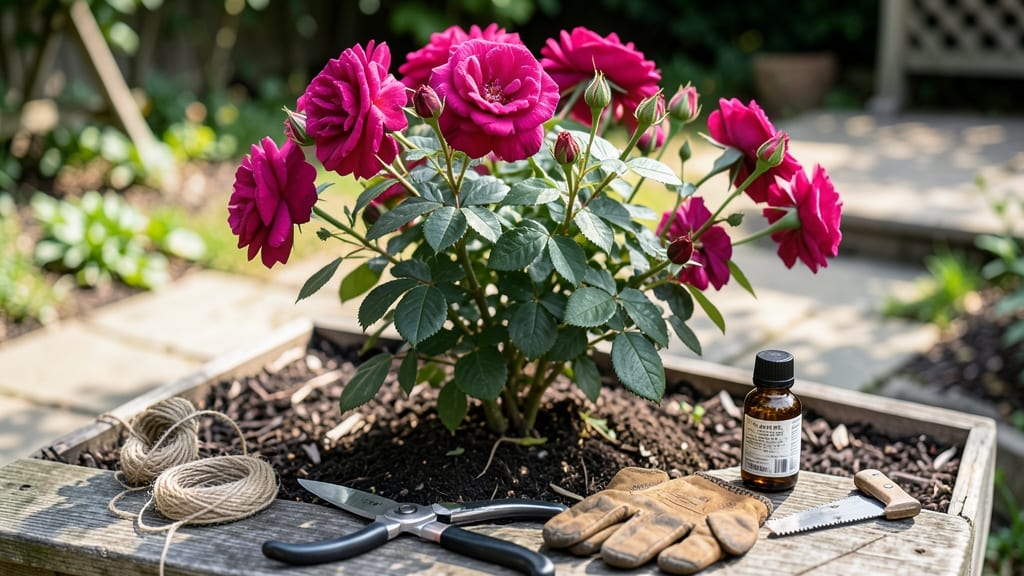
Double Knock Out roses bloom year-round, but pruning them right keeps them looking like a pro’s showpiece—not a tangled mess. ✂️ I’ve pruned mine for five seasons, and the difference between a leggy bush and a lush, flowering powerhouse comes down to three simple cuts: when, where, and how deep.
Most gardeners either prune too late (missing the spring bloom) or too aggressively (stressing the plant), but these roses are forgiving—once you know the tricks.
The best time is late winter or early spring, right before new growth starts. Grab your pruners, a pair of gloves, and a bucket for clippings—you’ll make 30-45 minutes of work pay off with blooms from spring through frost.
Double Knock Outs handle pruning like champs because they’re disease-resistant, so you won’t need to sterilize tools or worry about infections. Just cut back one-third of the oldest canes each year to encourage fresh, vigorous growth.
After pruning, step back and admire your work—you’ll see new red shoots within 10-14 days, with the first wave of blooms arriving in 4-6 weeks. The secret is thinning out crowded stems to improve airflow, which also keeps pests at bay.
These roses thrive on neglect but reward precision, so don’t skip the cleanup: remove dead wood, cross branches, and any canes thinner than a pencil.
Works for any Double Knock Out variety, whether you’re shaping a hedge, a single bush, or a container plant. The same rules apply—just adjust the scale. Now grab those shears, and let’s get pruning!
📚 In This Guide
- What you need
- Instructions
- Tips and common mistakes
- Wrapping up and next steps
What you need
- ● Bypass pruners – Sharp, clean bypass pruners (with 5- to 8-inch blades) for clean cuts on smaller stems. Invest in high-quality stainless steel to prevent rust and ensure longevity.
- ● Loppers – Heavy-duty loppers (with 8- to 12-inch blades) for thicker branches (up to 2 inches in diameter). Look for ratcheting or bypass-style loppers for precision.
- ● Pruning saw – A curved-tooth pruning saw for cutting through stubborn, woody stems (2+ inches thick). Avoid cheap saws—they can tear bark.
- ● Gloves – Garden gloves (preferably cut-resistant and waterproof) to protect your hands from thorns and debris.
- ● Disinfectant – Rubbing alcohol (70%+ isopropyl) or a 10% bleach solution to sterilize tools between cuts and prevent disease spread.
- ○ Pruning sealant (optional) – Tree wound pruning paste (like Tanglefoot Tree Wound Pruning Sealant) to coat large cuts and minimize sap loss or pest entry.
- ● Trash bags or bucket – For collecting pruned branches and debris. A 5-gallon bucket with a lid works well for smaller jobs.
- ○ Sharpie or marker – To label cuts or mark areas for future reference (optional but helpful for beginners).
- ● Hose or water source – To rinse tools and clean up sap or saplings after pruning.
- ● Knee pads or stool – For comfort, especially if your roses are tall or the ground is uneven.
- ● Weather check – Prune on a dry, overcast day or in the early morning to reduce stress on the plant and minimize sap bleeding.
- ● Plant identification – Confirm your roses are Double Knock Out hybrids (or similar disease-resistant varieties) to avoid over-pruning.
- ● Safety first – Wear long sleeves and pants to protect against thorns, and consider safety goggles if working near your face.
Step-by-step guide to pruning Double Knock Out roses for year-round blooms
Here's my foolproof method for keeping these hardy roses lush and blooming continuously—no green thumb required.
✂️ Step 1: Time Your Pruning for Maximum Impact
Double Knock Out roses bloom nonstop, so timing is less critical than with traditional roses. Still, I prune lightly after each major bloom cycle—typically in early spring (March) and again in late summer (August)—to maintain shape and encourage new growth. Avoid pruning when buds are forming; you'll know it's safe when you see 50% of last year's blooms fade.
For spring pruning, cut back to 18-24 inches tall to remove winter-damaged wood and open the center for airflow. In late summer, trim back by one-third to stimulate fresh fall blooms. Never remove more than one-third of the plant's height at once—this stresses the rose and reduces flowering.
✂️ Step 2: Use Proper Tools and Technique for Clean Cuts
Grab your sharp bypass pruners (dull blades crush stems and invite disease) and clean them with rubbing alcohol before starting. I make all cuts at a 45-degree angle, ¼ inch above an outward-facing bud. This angle prevents water from pooling on the cut and directs new growth outward, keeping the plant full and balanced.
Remove any dead, diseased, or crossing branches first. These compete for energy and create entry points for pests. Look for stems with blackened cankers or mushy centers—cut these out completely, then disinfect your tools again. For thick branches, use your loppers and make the cut just outside the bud, following the same 45-degree rule.
✂️ Step 3: Shape for Airflow and Light Penetration
Step back and visualize your rose as a rounded vase shape. Remove any branches growing inward or crossing others—these create shaded spots where fungus thrives. Aim to keep the center open so sunlight reaches all parts of the plant. You'll see the ideal shape when you can look through the center to the ground below.
Thin out crowded stems by cutting them back to the ground. This may seem drastic, but it forces the plant to put energy into fewer, stronger branches. For every 3-4 inches of height removed, you'll get 6-8 inches of new growth—that's the magic of pruning. After shaping, give your rose a light watering to help it recover from the stress.
✂️ Step 4: Clean Up and Fertilize for Recovery
Rake up all fallen leaves and debris within a 3-foot radius of the rose. This prevents fungal spores from overwintering and infecting your plant. I also apply a balanced rose fertilizer (10-10-10) right after pruning to give the new growth a nutrient boost. Water deeply to help the fertilizer penetrate the soil and reach the roots.
Watch for new growth emerging from the buds within 2-3 weeks. This is your signal that the pruning worked. If you see yellowing leaves or stunted growth, you may have cut too aggressively—next time, remove just 20% less. Double Knock Out roses are forgiving, but even they need gentle encouragement to bounce back.
Tips & tricks for perfect rose pruning
These game-changing insights will help you transform your Double Knock Out roses into a nonstop blooming powerhouse—without the guesswork.
Seasonal Timing Secret: The early spring (March) and late summer (August) pruning windows are your best friends for year-round blooms. Here's the thing: those faded blooms you see? That's your cue. When 50% of last year's flowers have dropped, it's time to act. I've learned this the hard way—pruning too early can remove potential buds, while waiting too long means missed growth opportunities. For spring, aim to reduce height to 18-24 inches, and in summer, never take more than one-third of the plant's height at once.
The 45-Degree Angle Technique: This isn't just about aesthetics—it's about survival. When you make that clean cut at a 45-degree angle just above an outward-facing bud, you're not just shaping your rose. You're creating a surface that sheds water properly and directing new growth outward. I always double-check this angle because it makes all the difference in preventing water-related diseases. For thicker branches, use your loppers and make the cut just outside the bud to avoid damaging the growth point.
Airflow Architecture: Think of your rose bush like a cathedral—light needs to flow through it. That rounded vase shape isn't just decorative; it's functional. When you remove inward-growing branches, you're eliminating the dark, damp corners where fungal spores love to party. I like to step back and visualize looking through the center to the ground below. If you can't, you're not done yet. This open structure prevents those dreaded black spots that can ruin your blooms.
Recovery Ritual: After all that work, don't just walk away. That 10-10-10 fertilizer isn't just a fancy number—it's balanced nutrition for your stressed plant. Apply it right after pruning, then water deeply to help those nutrients reach the roots. Watch for those first signs of new growth in 2-3 weeks as your reward. If you see yellowing leaves instead, you've cut too aggressively next time—remember, these roses are tough but not invincible.
Pro Tips for Prune Double Knock Out Roses
- These game-changing insights will help you transform your Double Knock Out roses into a nonstop blooming powerhouse—w...
- Seasonal Timing Secret: The early spring (March) and late summer (August) pruning windows are your best friends for y...
- The 45-Degree Angle Technique: This isn't just about aesthetics—it's about survival. When you make that clean cut at ...
Frequently asked questions
Got questions about pruning your Double Knock Out roses? You’re not alone! Here are some of the most common concerns—plus quick, expert-backed answers to keep your roses thriving.
When is the best time to prune Double Knock Out roses?
These roses are unique because they bloom year-round! Prune lightly after each flush of blooms (every 6–8 weeks) to encourage new growth. For major shaping, late winter or early spring (just before new growth starts) is ideal. Avoid heavy pruning in fall—it can stress the plant before winter.
How much should I cut back Double Knock Out roses?
Unlike traditional roses, Double Knock Outs don’t need drastic cuts. Remove dead, diseased, or crossing branches first. Then, trim back by about one-third of the plant’s height to maintain shape. Never cut into old wood (woody stems)—focus on green, flexible canes for best results.
What if I prune at the wrong time?
Pruning too late in the season (fall or winter) can leave your roses vulnerable to frost damage. If you miss the spring window, don’t panic—just wait until new growth appears (usually late winter/early spring). Light pruning anytime is better than none, but timing matters for big blooms!
Can I prune Double Knock Out roses in containers?
Container-grown roses follow the same rules but may need more frequent trimming due to limited space. Prune to encourage airflow and remove spent blooms to redirect energy. Just ensure your container has drainage holes—root rot is a common issue with overwatered potted roses.
Why aren’t my Double Knock Out roses blooming after pruning?
Lack of blooms often signals over-pruning or nutrient deficiencies. Check for:
- Sunlight: At least 6–8 hours of direct sun daily.
- Water: Deep watering 1–2 times per week (more in heatwaves).
- Fertilizer: Use a balanced rose fertilizer (10-10-10) every 4–6 weeks.
- Deadheading: Snip off faded blooms to encourage new ones!
Wrapping up and next steps
Pruning your Double Knock Out roses doesn’t have to be intimidating—just a little timely care and confidence! With the right tools, seasonal cuts, and a focus on healthy growth, you’ll enjoy nonstop blooms all year.
Remember, less is more—avoid over-pruning, and always reward your efforts with fresh water and a little love.
Ready to transform your garden? Grab those shears and give your roses the attention they deserve—your future blooms will thank you! 🌸 Next, explore how to fertilize for extra-vibrant flowers!