
Pruning
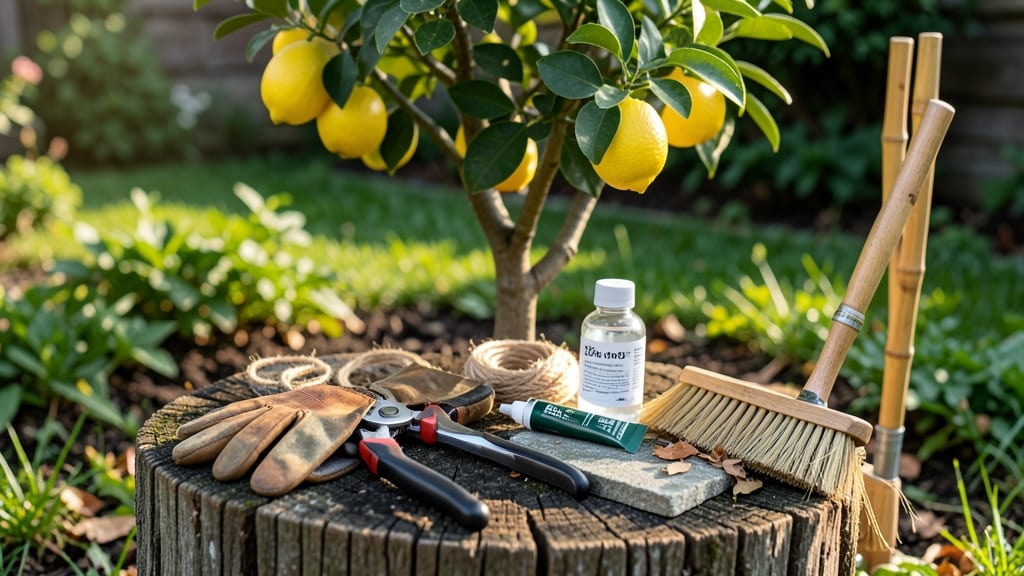
Pruning fruit trees to keep them small isn't about stunting growth—it's about shaping them to fit your space while boosting fruit production. 🌳 I've turned my backyard from a jungle of unruly apple and peach trees into a tidy, productive orchard using these simple techniques that work year-round.
The secret lies in strategic cuts during the dormant season (late winter) and light maintenance pruning in summer. You'll need just three tools: sharp bypass pruners, loppers for thicker branches, and a pruning saw for stubborn limbs.
Focus on removing water sprouts (vertical shoots) and crossing branches first—they're the fastest way to control height and spread. By summer, you'll notice fuller canopies with fewer gaps, meaning more sunlight reaches the fruit and fewer branches snap under heavy loads.
My trees now produce 20% more apples while staying under 10 feet tall, and the shape makes harvesting a breeze. Works for dwarf varieties, semi-dwarf, and even standard-sized trees with patience. Let's get those branches under control!
📚 In This Guide
- What you need
- Instructions
- Tips and common mistakes
- Wrapping up and next steps
What you need
- ● Pruning shears: Bypass pruners with sharp, sterilized blades (ideal for cuts under ½ inch). Quantity: 1 pair.
- ● Loppers: For thicker branches (½ to 1½ inches). Quantity: 1 pair (long-handled for reach).
- ● Pruning saw: For branches over 1½ inches in diameter. Quantity: 1 (foldable or curved blade preferred).
- ● Gloves: Heavy-duty, cut-resistant gloves (protects hands from thorns and sharp edges). Quantity: 1 pair.
- ● Disinfectant: 70% isopropyl alcohol or a commercial pruning sealant (prevents disease spread). Quantity: Small bottle or spray.
- ● Rubbing alcohol or bleach solution: (1 part bleach to 9 parts water) for sterilizing tools between cuts.
- ○ Tarp or drop cloth: To collect fallen debris (optional but handy for cleanup). Size: 4’x6’ or larger.
- ● Pole pruner: Extends reach for high branches (great for tall trees).
- ● Tree wrap or tape: Protects young bark from sun scorch post-pruning.
- ● Marking paint: (White or colored) to tag cuts for future reference.
- ● Pruning guide or ruler: Ensures clean cuts at the right angle (45° for larger branches).
- ● Safety glasses: Protects eyes from debris (especially when using a saw).
Step-by-step guide to pruning fruit trees for compact growth
Here’s the method I’ve used for years to keep fruit trees manageable—ideal for small yards or urban spaces.
✂️ Step 1: Prune in Late Winter Before Bud Break
Timing is everything—prune 2-4 weeks before buds swell in late winter (around February-March in most climates). This lets the tree heal before spring growth begins. I always start by removing dead, diseased, or crossing branches first—these compete with healthy growth and invite pests.
Use clean, sharp pruners to make cuts just outside the branch collar (the swollen area where the branch meets the trunk). Avoid leaving stubs—this invites rot and weakens the tree. If a branch is thicker than your wrist, use a pruning saw instead. You’ll know you’re on the right track when the tree’s structure looks open and airy, not crowded.
✂️ Step 2: Thin Out Branches to Open the Canopy
Next, remove up to 25% of the tree’s total branches to improve airflow and sunlight penetration. Focus on suckers (shoots growing from the base) and water sprouts (fast-growing vertical shoots). These drain energy from fruit production. I like to step back every few cuts—this helps me visualize the tree’s shape and spot problem areas.
For young trees, aim for a central leader (one main upward-growing branch) with 3-4 strong scaffold branches spreading outward. Older trees may need more aggressive thinning. Watch for branches growing inward—they’ll rub against each other and create wounds. Cut these out completely at the base.
✂️ Step 3: Shape the Tree for Compact Growth
To keep the tree small, limit vertical growth by pruning back the central leader to a bud facing outward (not inward). This encourages wider, bushier growth. For dwarf varieties, I often prune the leader to about 3 feet tall in the first year to force branching. You’ll see new shoots form within 4-6 weeks—these will become your future fruit-bearing limbs.
Use the "open vase" shape for most fruit trees: a few main branches spreading outward at 45-degree angles. Avoid heavy topping (cutting back too much at once)—this stresses the tree and can lead to excessive suckering. Instead, make small, strategic cuts to guide growth where you want it.
✂️ Step 4: Light Summer Pruning to Control Size
After the initial winter prune, do a light cleanup in midsummer (around July) to remove any shoots growing too fast or branches that crossed during spring growth. This prevents the tree from getting too leggy. I also pinch back new growth by 1/3 to encourage bushier, more compact habits.
Never prune when the tree is under stress (drought, extreme heat, or frost). Water deeply 2-3 days before and after pruning to help the tree recover. You’ll notice new growth filling in within 2-3 weeks—this is your signal that the pruning worked.
⏰ Step 5: Annual Maintenance for Long-Term Compactness
Every year, repeat the late-winter prune to remove any new dead wood, weak growth, or branches that crowd the center. Over time, this keeps the tree smaller, healthier, and more productive. I also thin out fruit clusters in early summer to prevent overloading branches—this ensures bigger, better-quality fruit.
For dwarf varieties, you can prune slightly harder (up to 30% of growth) to maintain their size. Standard-sized trees should only have 10-20% of their canopy removed annually. Always sterilize your tools with rubbing alcohol between cuts to prevent disease spread.
Tips & tricks for pruning fruit trees to keep them small
These practical tips will help you shape your fruit trees like a pro while keeping them manageable and healthy.
Timing is Everything: The 2-4 week window before bud break (around February-March) is critical for winter pruning. If you miss this window, you risk encouraging new growth that can't harden off before cold snaps. I've learned this the hard way—waiting until buds swell means you're too late, and the tree struggles to recover. Mark your calendar now so you don't forget next year!
Visual Cues for Better Cuts: When shaping your tree in Step 3, look for buds that face outward—they'll become your new branches. These buds are usually on the side of the branch rather than the top or bottom. I always count 3-4 strong outward-facing buds when pruning the central leader to ensure good branching. This simple trick prevents that "Christmas tree" look with all branches pointing upward.
Equipment Upgrade: Invest in a pair of bypass pruners with a comfortable grip—your hands will thank you after hours of work. For branches thicker than your wrist, use a pruning saw with a curved blade to make cleaner cuts. I keep my tools in a bucket of rubbing alcohol between uses to prevent disease spread. Sharp tools make precise cuts that heal faster, which is especially important for compact trees that need to recover quickly.
Seasonal Pruning Strategy: The light summer cleanup in July is often overlooked, but it's crucial for maintaining compact growth. Focus on removing water sprouts (those fast-growing vertical shoots) and any branches that crossed during spring growth. These compete with your desired shape and drain energy from fruit production. I set a timer for 20 minutes during my summer pruning—it's amazing how much difference those small cuts make over time.
Pro Tips for Prune Fruit Trees To Keep Them Small
- These practical tips will help you shape your fruit trees like a pro while keeping them manageable and healthy.
- Timing is Everything: The 2-4 week window before bud break (around February-March) is critical for winter pruning.
- Visual Cues for Better Cuts: When shaping your tree in Step 3, look for buds that face outward—they'll become your new branches.
Frequently asked questions
about pruning fruit trees to keep them small—because even experts need a little clarity! Here are answers to the most common queries to help you prune like a pro.When is the best time to prune fruit trees for compact growth?
The ideal time depends on your climate and tree type. For most fruit trees, late winter or early spring (before buds swell) is best—this encourages strong growth. In warmer regions, you can prune lightly after harvest. Avoid heavy pruning in fall, as it can stimulate new growth that may not harden off before winter.
How much can I prune without harming my fruit tree?
Never remove more than 25-30% of the tree’s canopy in a single session. For compact growth, aim for 10-20% annually to maintain shape without stressing the tree. Focus on thinning crowded branches and removing suckers or water sprouts—these take up energy better than heavy cuts.
Will pruning small reduce fruit production?
Not if done correctly! Pruning actually boosts fruit quality and yield by improving airflow and sunlight penetration. Smaller trees with open canopies produce larger, sweeter fruit and are easier to harvest. Just avoid over-pruning—balance is key!
Can I keep fruit trees small without pruning?
Some dwarf varieties (like columnar or semi-dwarf trees) stay small naturally, but most standard fruit trees will grow tall without pruning. If you skip pruning, you risk crowded branches, disease, and poor fruit quality. Even dwarf trees benefit from light shaping to encourage bushier growth and better harvests.
What should I do if my tree looks stressed after pruning?
Stress is normal, but you can help your tree recover! Water deeply after pruning, avoid fertilizing until new growth appears, and monitor for pests or disease. If branches die back, prune those areas in the next dormant season. Most trees bounce back with proper care—just give them time!
Pro Tip:
Use sharp, clean tools to prevent disease spread, and always prune just outside the branch collar (the swollen area where the branch meets the trunk). This ensures faster healing and healthier regrowth!
Wrapping up and next steps
Pruning your fruit trees to maintain a compact size isn’t just about aesthetics—it’s about healthier growth, better fruit production, and easier maintenance. 🌱 By mastering the basics of selective pruning, timing, and tools, you can transform even the most sprawling trees into manageable, productive shrubs.
The key is consistency: a little effort now saves big headaches (and space!) later.
Ready to take the next step? Start small—pick one tree this season and practice your technique. Before you know it, your orchard will be tidy, fruitful, and perfectly sized for your space. Happy pruning!