
How To
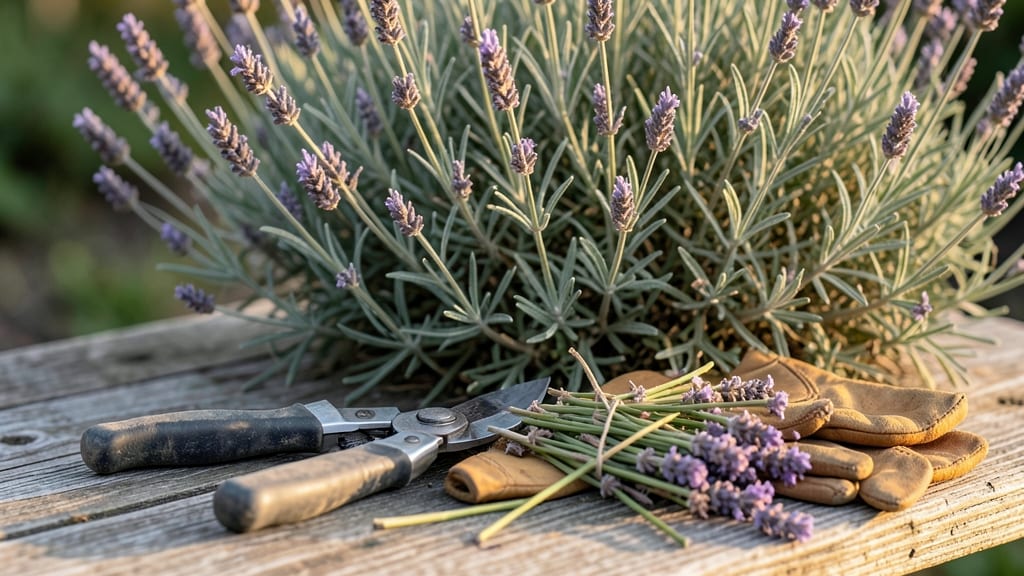
Pruning lavender plants in late winter or early spring transforms them from scraggly to shockingly lush—and it only takes 15 minutes. ✂️ I used to avoid pruning entirely, afraid I’d kill my plants, but the right cuts actually encourage thicker growth and more fragrance.
The key is timing, technique, and knowing when to stop. Start with clean pruners and focus on shaping the plant’s natural form. Cut back one-third of last year’s growth—never more—to prevent woody stems. After pruning, lavender rebounds with fresh green shoots and that signature sweet scent.
Just avoid pruning in fall or summer, when the plant is stressed or flowering.
📚 In This Guide
- What you need
- Instructions
- Tips and common mistakes
- Wrapping up and next steps
What you need
- ● Sharp, clean pruning shears – Bypass pruners (5-inch to 7-inch blades) are ideal for clean cuts. Disinfect with rubbing alcohol before and after use to prevent disease.
- ● Hand pruners or small hedge shears – For trimming smaller stems or shaping. Choose ergonomic handles if you have arthritis or joint concerns.
- ● Garden gloves – Nitrile or leather gloves (size medium to large) to protect against thorns and sap.
- ● Rake or garden fork – Helps clear dead foliage and debris around the base of the plant.
- ○ Pruning saw (optional) – Only needed if your lavender has thick, woody stems (rare in most varieties). A folding pruning saw works best.
- ● Hose with a gentle spray nozzle – To rinse off sap or dust before pruning for better visibility.
- ● Mulch (e.g., gravel or pine straw) – Apply after pruning to suppress weeds and retain moisture.
- ● Plant food or compost – A balanced fertilizer (10-10-10) or organic compost to nourish the plant post-prune.
- ● Disposable bags or bucket – For collecting pruned stems (great for composting or crafting lavender bundles!).
- ● Choose the right time—prune after flowering (late summer/early fall) for most varieties, or lightly shape in spring if needed.
- ● Ensure your lavender is healthy—avoid pruning if the plant is stressed, diseased, or newly planted (wait 1-2 years).
- ● Work on a dry, sunny day—lavender hates wet conditions, which can invite fungus.
Instructions for pruning lavender plants
Here’s how to keep your lavender lush, fragrant, and healthy all year—without cutting it back too hard.
✂️ Step 1: Prune Right After Flowering
Lavender blooms best on old wood, so the key is timing. Once the flowers fade and turn brown—usually in late spring or early summer—trim back the spent blooms by about ⅓ of the plant’s height. Use sharp, clean pruners to avoid tearing the stems. This encourages fresh growth and prevents leggy stems.
I like to prune on a dry morning when the plant is fully hydrated. If you cut into woody stems, you’ll see a white center—stop there. Over-trimming into the wood stresses lavender and can kill the plant. Think of this as a light haircut, not a buzz cut.
✂️ Step 2: Shape in Early Spring (If Needed)
In early spring, before new growth appears, give your lavender a light shape-up. Remove any dead, damaged, or crossing branches at the base. Use your pruners to cut just above a leaf node—never leave stubs. This keeps air circulating and prevents disease.
Here’s the thing—lavender doesn’t need heavy pruning. A little shaping goes a long way. If your plant looks bushy and full, skip this step entirely. Over-pruning in spring can delay flowering or stress the plant, especially in colder climates.
✂️ Step 3: Light Maintenance in Fall and Winter
In fall or winter, after the first hard frost, do a final check for dead or diseased branches. Cut these out completely, but avoid heavy pruning. Lavender grows slowly, and winter is its dormant season. You’ll see new growth in spring, but don’t rush to trim—patience is key.
If your lavender looks woody or leggy, a light trim in early spring (before buds form) can help. But if it’s still vibrant, leave it alone. The goal is to encourage dense, fragrant growth—not force it into a shape it doesn’t naturally hold.
🌱 Step 4: Revive Overgrown Lavender (If Needed)
If your lavender has become too woody or leggy, don’t panic—it can recover. In early spring, cut back ⅓ to ½ of the plant’s height, but never more than that. This encourages new growth from the base. Water lightly after pruning to help it recover.
Real talk: Lavender hates wet feet. If you’re reviving an overgrown plant, make sure it’s in well-draining soil and not sitting in water. Mulch around the base with 2-3 inches of gravel to keep moisture away from the roots. You’ll see fresh green growth in 4-6 weeks—that’s your sign it’s healing.
Tips & tricks for pruning lavender plants
Common mistakes can turn your lavender into a sad, leggy mess—here's how to keep it thriving without overdoing it.
Timing is Everything: That late spring/early summer prune after flowering is your golden window. I've seen lavender plants go from lush to woody in just one season when people cut too early. Watch for flowers to fade completely before you touch the shears—this ensures you're only removing spent blooms, not next year's buds. The plant's natural growth cycle depends on this timing.
Tool Matters More Than You Think: Sharp, clean pruners aren't just a suggestion—they're essential. Dull blades tear stems, creating wounds that invite disease. I keep a dedicated pair of pruners for lavender, sterilized with rubbing alcohol between uses. For larger branches, use loppers with bypass blades—they make cleaner cuts that heal faster. Never use hedge trimmers, which shred lavender stems and stress the plant.
Visual Cues Save the Day: When pruning in Step 1, look for that white center in woody stems—it's your stop sign. For shaping in early spring, cut just above a leaf node (where leaves or branches grow out). I think of it like giving lavender a haircut: you want to shape it, not shave it. The goal is to maintain that natural, bushy form while encouraging new growth from the base rather than the tips.
Seasonal Wisdom: Winter pruning is all about cleanup, not shaping. That final check after the first hard frost removes dead branches that could harbor pests or diseases over winter. I've learned the hard way that lavender hates being disturbed during its dormant season—it's like waking a bear too early. The plant's natural cycle of growth and rest is what keeps it healthy year after year.
Pro Tips for Prune Lavender Plants
- Common mistakes can turn your lavender into a sad, leggy mess—here's how to keep it thriving without overdoing it.
- Timing is Everything: That late spring/early summer prune after flowering is your golden window.
- Tool Matters More Than You Think: Sharp, clean pruners aren't just a suggestion—they're essential.
Frequently asked questions
Got questions about lavender pruning? You’re not alone—this fragrant beauty needs a little TLC to thrive! Here are some of the most common concerns, answered in simple terms to keep your lavender looking its best.
When is the best time to prune lavender?
Prune lavender right after flowering (late spring to early summer) to encourage bushier growth. Avoid heavy pruning in fall or winter, as lavender is dormant and more vulnerable to cold damage. A light trim in late winter (if needed) is fine, but never cut into old wood—it won’t regrow!
How much should I cut back?
For established plants, trim back one-third of the previous year’s growth (about 2–3 inches) to maintain shape. Avoid over-pruning—never cut into the woody base. Younger plants or those recovering from neglect may only need a light shaping trim (1 inch or less) to avoid stress.
What if my lavender looks dead after pruning?
Don’t panic! Lavender can look woody or bare after pruning, but it’s normal. Focus on healthy new growth from the base. If brown stems remain, they’re likely dead and should be removed. Water lightly (lavender hates soggy roots!) and avoid fertilizing—it can encourage weak, floppy growth.
Can I prune lavender in hot or cold weather?
Avoid pruning during extreme heat (over 90°F) or freezing temperatures (below 32°F). Heat stress can shock the plant, while cold snaps may hinder recovery. Early morning or late afternoon on a mild day (60–75°F) is ideal. If you must prune in winter, do so on a dry, sunny day to minimize risk.
What if my lavender doesn’t bloom after pruning?
Lavender blooms on new wood, so proper timing is key. If it skips flowering, you may have pruned too late (after summer) or too aggressively. Next year, prune immediately after flowers fade. Also, ensure it gets full sun (6+ hours/day) and well-draining soil—these are critical for blooms!
Still stumped? Drop your lavender pruning woes in the comments—we’re happy to help!
Wrapping up and next steps
Pruning lavender isn’t just about keeping your plants tidy—it’s the secret to unlocking lush, fragrant blooms and a stronger, bushier plant year after year! 🌿 By following the right timing, tools, and techniques, you’ll encourage healthy growth while preserving that signature lavender scent.
Whether you’re a beginner or a seasoned gardener, a little patience and precision go a long way.
Now that you’re armed with the know-how, grab those shears and get pruning! Start small with just a few stems, observe how your lavender responds, and build confidence. Soon, your garden will be the envy of the neighborhood—and you’ll be the proud lavender whisperer. Happy gardening! 🌸