
How To
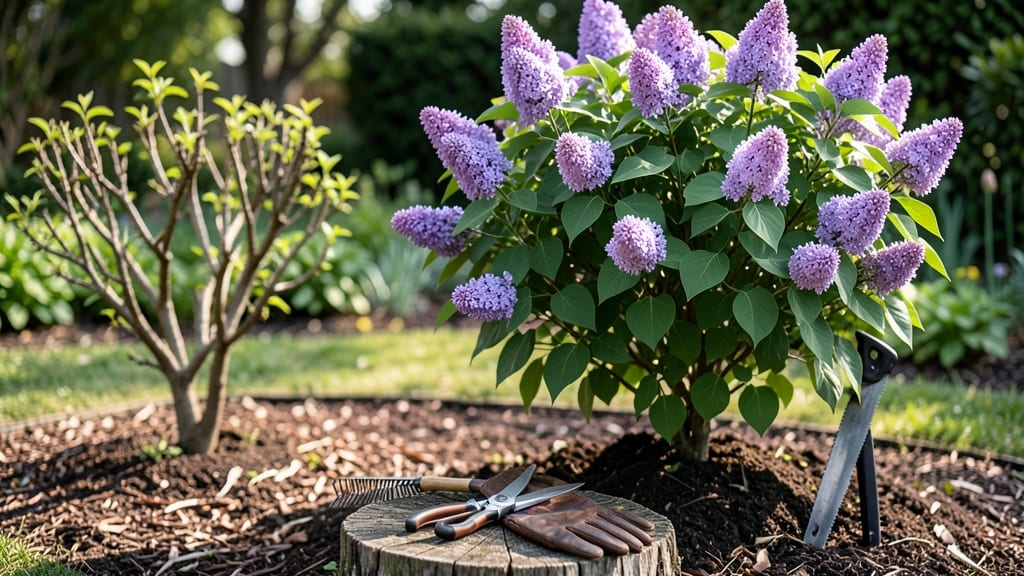
Pruning lilac bushes right after they bloom transforms them from scraggly to showstopping. ✂️ I’ve turned my once-overgrown lilacs into fragrant, bushy beauties with just a few strategic cuts each year—and the blooms last longer and come back bigger. The key is timing, technique, and knowing where to stop.
Start with clean, sharp cuts just above a leaf bud or branch junction, never leaving stubs. Remove any dead, crossing, or weak branches first, then thin out 10-20% of the oldest stems to encourage fresh growth.
Most lilacs bloom on old wood, so avoid heavy pruning in late summer or fall. With the right approach, your bushes will reward you with vibrant purple clouds every spring and stay healthy for decades.
📚 In This Guide
- What you need
- Instructions
- Tips and common mistakes
- Wrapping up and next steps
What you need
- ● Pruning shears or bypass pruners – Sharp, clean, and well-oiled (avoid anvil pruners—they crush stems). Quantity: 1 pair (or 2 if pruning large bushes).
- ● Loppers – For thicker branches (½" to 1½" diameter). Quantity: 1 pair.
- ● Hand pruners (secateurs) – For precision cuts on smaller stems. Quantity: 1 pair.
- ● Garden gloves – Thick, cut-resistant (lilac thorns are no joke!). Quantity: 1 pair.
- ● Disinfectant (70% isopropyl alcohol or bleach solution) – To clean tools between cuts and prevent disease spread.
- ● Heavy-duty trash bags or bucket – For collecting pruned branches and debris.
- ● Rake or leaf blower – To clear up fallen leaves and small debris afterward.
- ● Pruning saw – For very thick branches (over 1½" diameter).
- ● Ladder – If your lilacs are tall (4+ feet) and you need to reach higher branches safely.
- ● Hose with spray nozzle – To rinse off sap or sticky resin after pruning.
- ○ Pruning sealant (optional) – For large cuts (over ½"), though lilacs typically heal well without it.
- ● Notebook & pen – To jot down notes on your bush’s shape or pruning schedule for next year!
Step-by-step instructions for pruning lilac bushes
Here's the method I use every spring to keep my lilacs blooming abundantly for years.
✂️ Step 1: Time Your Pruning for Best Results
Prune lilacs immediately after they finish blooming—usually 4-6 weeks after flowers fade. This timing ensures you never cut off next year's flower buds, which form on last year's growth. I mark my calendar right after the last bloom drops, because waiting too long reduces next season's flowers.
If you missed the window, don't panic. You can do a lighter maintenance prune in late summer, but avoid cutting back more than 1/3 of the plant. The key visual cue is when the flower clusters turn brown and crispy—that's your perfect pruning moment.
✂️ Step 2: Gather the Right Tools and Safety Gear
Use clean, sharp pruning shears or loppers to make precise cuts—dull tools crush stems and invite disease. I disinfect my blades with rubbing alcohol between cuts on different branches. Wear gloves to protect against thorns and sap, which can irritate skin.
Have a bucket ready to collect clippings. Lilac branches make excellent mulch or can be composted. Never leave cuttings on the ground—they can harbor pests over winter. I also keep a small spray bottle with diluted neem oil handy to treat any small cuts or scratches on the plant.
✂️ Step 3: Remove Dead, Weak, and Crowded Branches First
Start by eliminating any dead, diseased, or crossing branches—these compete with healthy growth. Cut all the way back to the main stem or to a healthy outward-facing bud. I look for branches that are brown inside when cut or have no green leaves, as these are definitely dead.
Next, remove any branches growing inward toward the center of the bush. These create a dense center that blocks airflow and light. You'll see them easily—they'll be growing at odd angles compared to the outward-facing branches. Aim to open up the center so air circulates freely.
✂️ Step 4: Shape the Bush and Thin Out Older Growth
Step back and visualize the shape you want—lilacs naturally grow in a rounded form. Cut back the oldest branches first, as they produce fewer flowers. I look for branches that are thicker than my thumb—they're usually 3-4 years old and past their prime for blooming.
Make your cuts just above an outward-facing bud or branch junction. The bud should be within 1/4 inch of the cut to ensure new growth emerges in the right direction. Never leave stubs—they invite disease and look messy. I make each cut at a 45-degree angle to help water run off.
✂️ Step 5: Clean Up and Maintain Through the Season
After pruning, rake up all debris and dispose of it properly. This removes potential hiding spots for pests and diseases. Water the base of the plant deeply to help it recover from the stress of pruning. I give mine about 1 gallon of water spread evenly over the root zone.
Monitor your lilac over the next few weeks for any signs of stress like wilting or yellowing leaves. If you see new growth emerging from the cuts, that's a good sign! Avoid fertilizing right after pruning—wait until new growth appears before applying any nutrients. This gives the plant time to focus on healing rather than producing leaves.
Tips & tricks for pruning lilac bushes
A few simple strategies will help you prune like a pro and keep your lilacs thriving for seasons to come.
Timing is Everything: The 4-6 week window after blooms fade is non-negotiable for optimal results. I always set a reminder on my phone right when the last flowers drop—this ensures I don't accidentally cut off next year's buds. If you miss this window, remember the late summer maintenance rule: never trim more than 1/3 of the plant, and focus only on shaping rather than heavy pruning.
Tool Technique: Sharp tools make all the difference. I've learned the hard way that dull pruners crush stems and create jagged cuts that invite disease. After each cut, I wipe my blades with rubbing alcohol—this takes just seconds but prevents cross-contamination between branches. For larger branches, use loppers to avoid over-stretching your hand muscles.
Visual Cues Over Rules: Instead of memorizing measurements, I focus on these visual checks: look for branches that are brown when cut through (dead wood), branches growing inward (the "45-degree test" works perfectly here), and buds that are clearly facing outward. The 1/4-inch rule for cuts becomes intuitive once you practice identifying these visual landmarks.
Recovery Care: That 1 gallon of water isn't just a suggestion—it's essential after pruning stress. I always water deeply right after finishing, then monitor for new growth as my success indicator. The no-fertilizer rule for the first few weeks is crucial too; your lilac needs to heal before putting energy into new leaves.
Pro Tips for Prune Lilac Bushes
- A few simple strategies will help you prune like a pro and keep your lilacs thriving for seasons to come.
- Timing is Everything: The 4-6 week window after blooms fade is non-negotiable for optimal results.
- Tool Technique: Sharp tools make all the difference.
Frequently asked questions
Got questions about pruning lilac bushes?
You’re not alone! Here are answers to the most common concerns—so you can confidently shape your lilacs for years of stunning blooms.
When is the best time to prune lilacs?
Prune lilacs right after they finish blooming—typically in late spring or early summer. This timing ensures you don’t cut off next year’s flower buds, which form on old wood. Avoid pruning in fall or winter, as cold weather can stress the plant.
Can I prune lilacs in the fall?
Pruning lilacs in fall is not recommended because it removes next year’s flower buds and exposes the plant to winter damage. If you must prune late, do so only after leaves drop (late fall) and limit cuts to dead or diseased branches—never for shaping.
What if I prune lilacs at the wrong time?
If you accidentally prune too early (before blooming), you’ll likely lose that year’s flowers. For late pruning, the plant may still recover, but growth could be stunted or less vigorous. Focus on correct timing next year—patience pays off with healthier blooms!
How do I revive an overgrown lilac bush?
For severely overgrown lilacs, rejuvenation pruning is key: Cut back 1/3 of the oldest stems to the ground each year for 3 years. This encourages new growth while preserving flower production. Water deeply after pruning and fertilize in early spring for a stronger recovery.
Do I need special tools to prune lilacs?
No fancy tools required! Use sharp, clean pruners (bypass pruners for small branches, loppers for thicker stems). Disinfect tools with rubbing alcohol between cuts to prevent disease spread. A hand saw may help for very thick branches, but lilacs rarely need it.
Wrapping up and next steps
Pruning your lilac bushes doesn’t have to be intimidating—with the right tools, timing, and technique, you’ll encourage vibrant blooms and a neat, healthy shape for years to come! 🌸 Remember, the key is patience and precision: trim in late spring or early summer, avoid over-pruning, and always clean your cuts.
Now that you’re armed with these tips, grab your shears and give your lilacs the care they deserve.
Ready to see the results? Schedule a quick check-in with your bushes every few months to keep them thriving—and enjoy those fragrant blooms all season long! 🌿