
Pruning
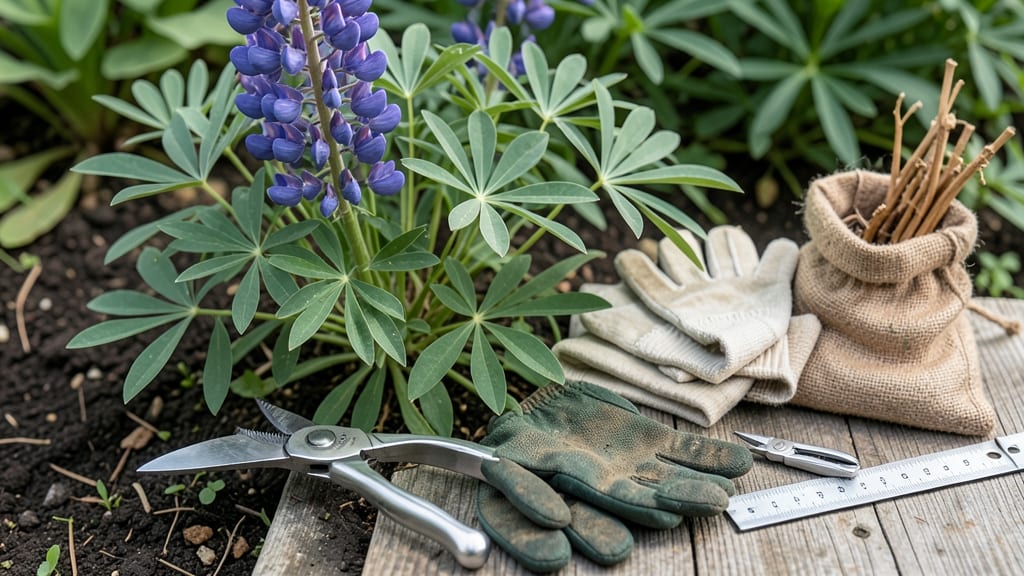
Pruning lupine in late winter unlocks next year's showstopper blooms. ✂️ I've learned the hard way that skipping this step means shorter stems, fewer flowers, and plants that struggle to bounce back.
The key is timing—wait until the ground is thawed but before new growth appears, usually in February or March depending on your zone.
You'll need just three tools: sharp bypass pruners, gloves (lupine stems have tiny hairs that irritate skin), and a bucket for clippings. The goal is to cut back one-third of the plant's height—this encourages bushier growth and more flower stems.
Avoid cutting into old wood; always leave a healthy bud or node where new shoots will emerge.
What you get is a lupine plant that bursts with taller, stronger blooms by early summer. The flowers last longer too, and the plants look fuller from the base up.
If you want to save seeds, leave a few of the tallest stems uncut—those seed pods are how you propagate new plants for free.
Common mistakes? Pruning too late in spring or cutting into dead center stems. Both lead to leggy, sparse plants. The best part? This method works for all lupine varieties, from the tall Russell Hybrid to the compact Dwarf Blue—just adjust the height you cut back accordingly.
📚 In This Guide
- What you need
- Instructions
- Tips and common mistakes
- Wrapping up and next steps
What you need
- ● Pruning shears: Bypass pruners (sharp, clean, and with a 4- to 6-inch blade for precision cuts). Avoid anvil pruners—they can crush stems!
- ● Garden gloves: A pair of cut-resistant, breathable gloves (e.g., leather or heavy-duty nitrile) to protect against thorns and sap.
- ● Disinfectant: 70% isopropyl alcohol or a 10% bleach solution (1 part bleach to 9 parts water) to sterilize tools between cuts.
- ○ Garden twine or rubber bands: (Optional but handy) to bundle pruned stems for easy cleanup.
- ● Timing: Prune in late winter or early spring (before new growth starts) or right after flowering (summer). Avoid pruning in fall.
- ● Weather: Choose a dry, calm day—never prune after rain or in extreme heat.
- ○ Safety gear: Safety glasses (optional but recommended if your lupine is near debris or dusty areas).
- ● Cleanup supplies: A garden bag or bucket for debris, plus trimming shears for larger stems (if needed).
Step-by-Step guide to pruning lupine for healthier growth
Lupine thrives when given a little attention after blooming—here’s how to keep it lush and flowering strong.
✂️ Step 1: Wait for the Right Time to Prune
Prune lupine in late winter or early spring, just before new growth begins. This is when the plant is dormant and energy is stored in the roots, making it less stressful for the plant. If you prune too early, you risk cutting back new shoots that have already started growing. Look for brown, woody stems with no fresh green growth—this is your cue that it’s safe to trim.
I always check the weather forecast before pruning. If a hard frost is expected within the next week, wait it out. Cold temperatures make the plant more resilient, and pruning right before a freeze can stress it unnecessarily. Aim for a mild, dry day when temperatures are above 40°F for the best results.
✂️ Step 2: Cut Back Dead and Damaged Stems
Grab your sharp pruners and start by removing any dead, broken, or diseased stems at the base. These stems won’t regrow and can harbor pests or fungal diseases. Cut them off cleanly, making a 45-degree angle just above a healthy bud or node if one is visible. If the stem is completely hollow or mushy, snip it off flush with the ground.
Don’t worry if the plant looks sparse after this step—lupine is tough and will bounce back. I like to step back and assess the plant’s shape. If some stems are still standing but completely woody and leafless, they can stay for now. Lupine often sends up new growth from the base, so leaving a few old stems won’t hurt.
🌱 Step 3: Thin Out Overcrowded Stems
Next, focus on thinning out the remaining stems to improve airflow and light penetration. Lupine can get leggy and crowded, especially if it’s been established for a few years. Select the healthiest, most vigorous stems—these are usually the ones with the thickest diameter and most upright growth. Remove any stems that are thin, weak, or growing at odd angles, cutting them back to the base.
Here’s the thing—lupine blooms on new growth, so thinning encourages stronger, more abundant flowers. Aim to leave 3-5 of the strongest stems per plant, depending on its size. If you’re unsure which stems to keep, err on the side of fewer. You can always prune back more later if needed, but you can’t undo over-pruning.
🌿 Step 4: Lightly Shape the Plant for Better Blooms
Once you’ve removed the dead and overcrowded stems, give the plant a light shape-up. Lupine naturally grows in a bushy, rounded form, so avoid cutting back too aggressively. If the plant has become top-heavy or lopsided, trim back the longest stems by about one-third to encourage a fuller shape. Make your cuts just above a leaf node or bud to promote branching.
Pay attention to the direction of the stems. If some are growing inward or crossing over others, trim them back to open up the center of the plant. This isn’t just for looks—better airflow reduces the risk of fungal diseases like powdery mildew, which can plague lupine in humid climates. A well-shaped lupine will have stronger stems and more vibrant blooms next season.
⏰ Step 5: Clean Up and Fertilize for Next Season
After pruning, gather up all the clippings and remove them from the garden to prevent pests or diseases from overwintering. Lupine doesn’t need rich soil, but a light application of compost or a balanced fertilizer (like 10-10-10) in early spring can give it a boost. Work it into the top 2 inches of soil around the base of the plant, but avoid overdoing it—lupine prefers leaner conditions.
Water the plant deeply after fertilizing to help it recover from pruning and encourage new growth. Keep an eye out for new shoots emerging from the base within a few weeks. If you notice any yellowing leaves or wilting, it might be a sign of overwatering or root rot, so adjust your watering habits accordingly. Lupine is drought-tolerant once established, so it’s better to underwater than overwater.
Tips & tricks for pruning lupine like a pro
A little strategic pruning can transform your lupine from a leggy mess to a vibrant, blooming powerhouse. Here’s how I’ve learned to make the most of this simple process.
Timing is Everything: In Step 1, when you’re checking for brown, woody stems, also look for the telltale "puffiness" at the base of the plant. This is where new growth will emerge, and pruning too early can cut off these potential shoots. I’ve found that waiting until you see at least a slight swelling at the base—even if the stems are still brown—gives the plant the best chance to recover quickly. The goal is to prune just as the plant is waking up from dormancy, not before.
Tool Prep Matters: Before you start cutting in Step 2, take 5 minutes to sharpen your pruners. Dull blades crush stems instead of making clean cuts, which can damage the plant and invite disease. I like to use a small file to sharpen the blades right before pruning—it makes all the difference in how smoothly the stems come away. Also, wipe down your pruners with rubbing alcohol before and after to prevent spreading any potential pathogens between plants.
The 3-5 Stem Rule: In Step 3, when thinning out overcrowded stems, remember that lupine blooms on new growth from the base. Keeping 3-5 of the strongest stems gives your plant the best balance of airflow and energy. I’ve seen gardeners leave too many stems, only to have the plant struggle with weak blooms later. If you’re unsure which stems to keep, pick the ones that are thickest at the base and most upright—these will put on the best show next season.
Fertilizer Timing: In Step 5, when you’re applying that light compost or balanced fertilizer, don’t rush it. Wait until you see those first tiny green shoots emerging from the base—usually within 2-3 weeks after pruning. This tells you the plant has fully recovered from the stress of pruning and is ready to benefit from extra nutrients. Applying fertilizer too soon can actually stress the plant further, so patience here pays off with stronger growth.
Pro Tips for Prune Lupine
- A little strategic pruning can transform your lupine from a leggy mess to a vibrant, blooming powerhouse.
- Timing is Everything: In Step 1, when you’re checking for brown, woody stems, also look for the telltale "puffiness" at the base of the plant.
- Tool Prep Matters: Before you start cutting in Step 2, take 5 minutes to sharpen your pruners.
Frequently asked questions
Got questions about pruning lupines? You’re not alone! Here are some common concerns—and straightforward answers—to help you keep your plants thriving.
When is the absolute worst time to prune lupines?
Never prune lupines during their active growing season (spring to early summer). This includes blooming time! Cutting back too early can stunt flower production, while late-season pruning (after seed pods form) may weaken the plant for next year. Aim for late fall or early winter when foliage is brown and dormant.
Do I need special tools to prune lupines?
Not necessarily! A sharp pair of bypass pruners or clean garden shears works perfectly. Avoid dull tools—they can crush stems and invite disease. For larger clumps, loppers or a small hand saw may help, but lupines rarely need heavy-duty equipment. Just sanitize your tools with rubbing alcohol between cuts!
What if my lupines don’t bloom after pruning?
Lupines often take a year to rebound after aggressive pruning. If blooms are sparse, check these fixes:
- Ensure you pruned after the first frost (not before).
- Fertilize lightly in early spring with low-phosphorus food (lupines dislike high phosphorus).
- Check soil drainage—waterlogged roots can stress plants.
- Be patient! Some varieties (like Lupinus polyphyllus) bloom later in the season.
Can I prune lupines too much?
Yes! Over-pruning removes the plant’s energy reserves. Leave at least 2–3 inches of stem above the ground. If you shear back to the crown (where stems meet roots), you risk killing the plant. Lupines store nutrients in their roots—never cut below the basal rosette of leaves.
What’s the difference between pruning lupines and deadheading?
Deadheading (removing spent blooms) happens during the growing season to encourage more flowers. Pruning is a dormant-season task to shape the plant and remove dead growth. For lupines:
Don’t panic! Lupines often look “dead” in winter. If they’re still leafless in spring (after buds should emerge), try:
My lupines look sad after pruning—what went wrong?
New growth should appear by April or May in most climates.
Wrapping up and next steps
Pruning lupines in late winter or early spring is your secret weapon for vibrant blooms and healthier plants—and you’ve got all the know-how now! By cutting back dead growth, shaping your shrubs, and protecting against pests, you’re setting the stage for a stunning display next season. 🌸
Ready to put your new skills to work? Grab your pruners, step outside, and give your lupines the care they deserve. Your garden will thank you! 🌿
Next up: Check out our guide on fertilizing lupines for even more lush growth—because great pruning is just the beginning!